By Rob Cooper
Posted on Monday, February 9th, 2026

I recently made two signs out of a material called Plaswood, a very hard, rigid PVC board that is weather and termite resistant and easy to use. It’s a bit like an exterior version of the foamboard materials that we used in the past. The faces, though, are harder, and more plastic-like. It is apparently available in graded densities, although I’m not sure which grade I used on these signs. [Celuka Board is a similar product that is distributed by Kommerling in the US. –Editor]
The 25mm material [about 1-in. thick] that I used felt harder than the usual 10mm, and the full sheet was very heavy. The one main problem with Plaswood is that the thinner sheets are not structurally strong. They will snap easily, but that’s not a problem if the sign goes on a wall or in a frame. It is a very popular product here in Thailand, and I’m slowly replacing signs with it because good quality marine plywood has become hard to find.
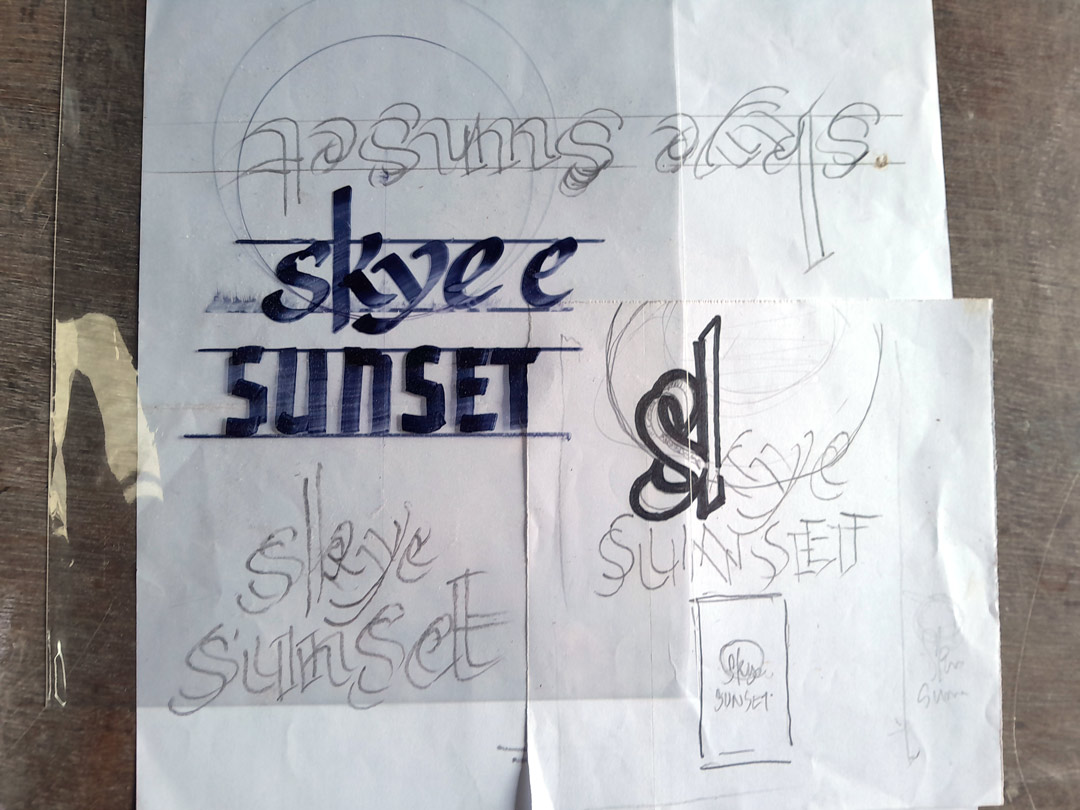
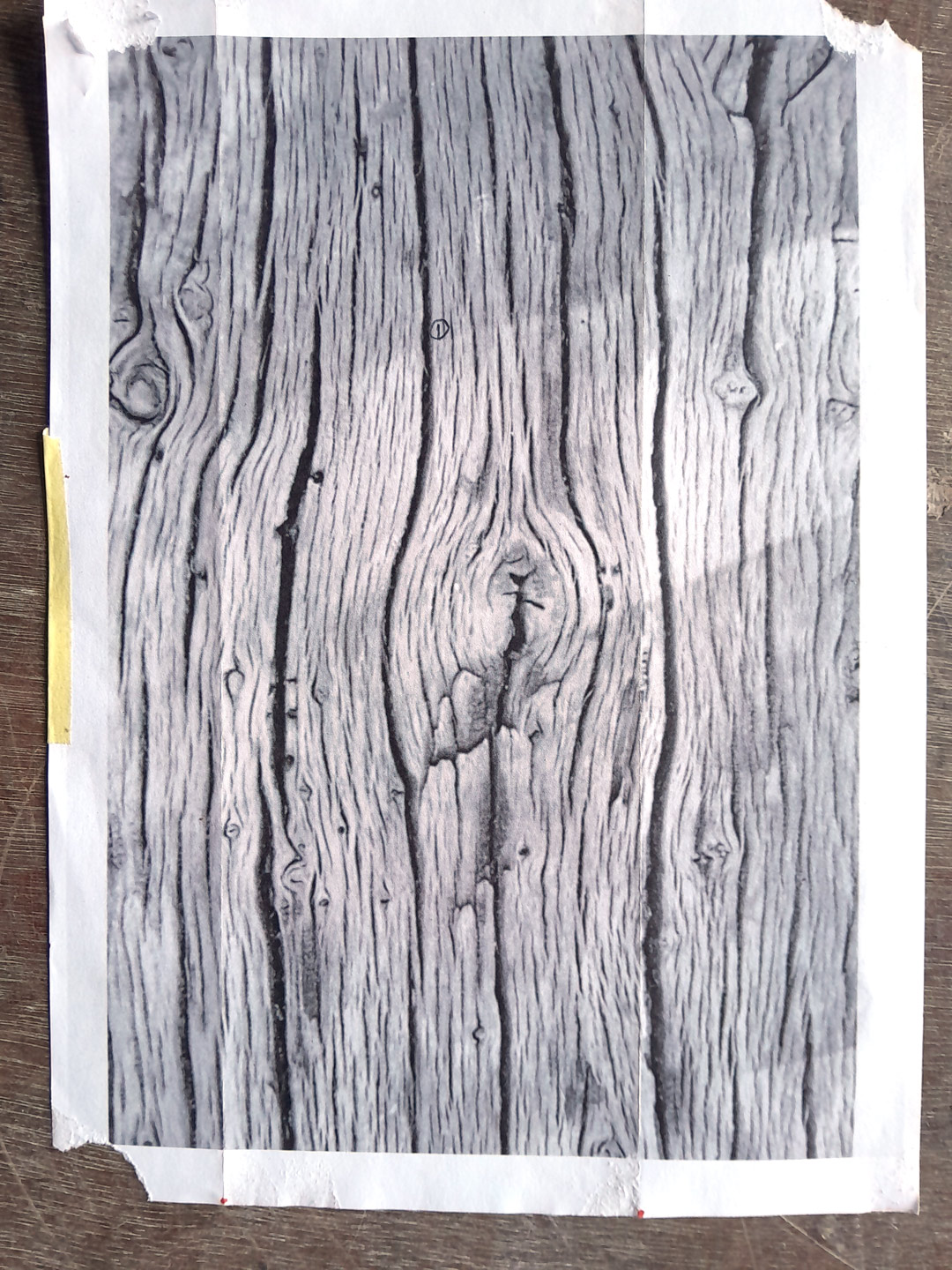
First I projected and drew the lettering, sun and the grain.
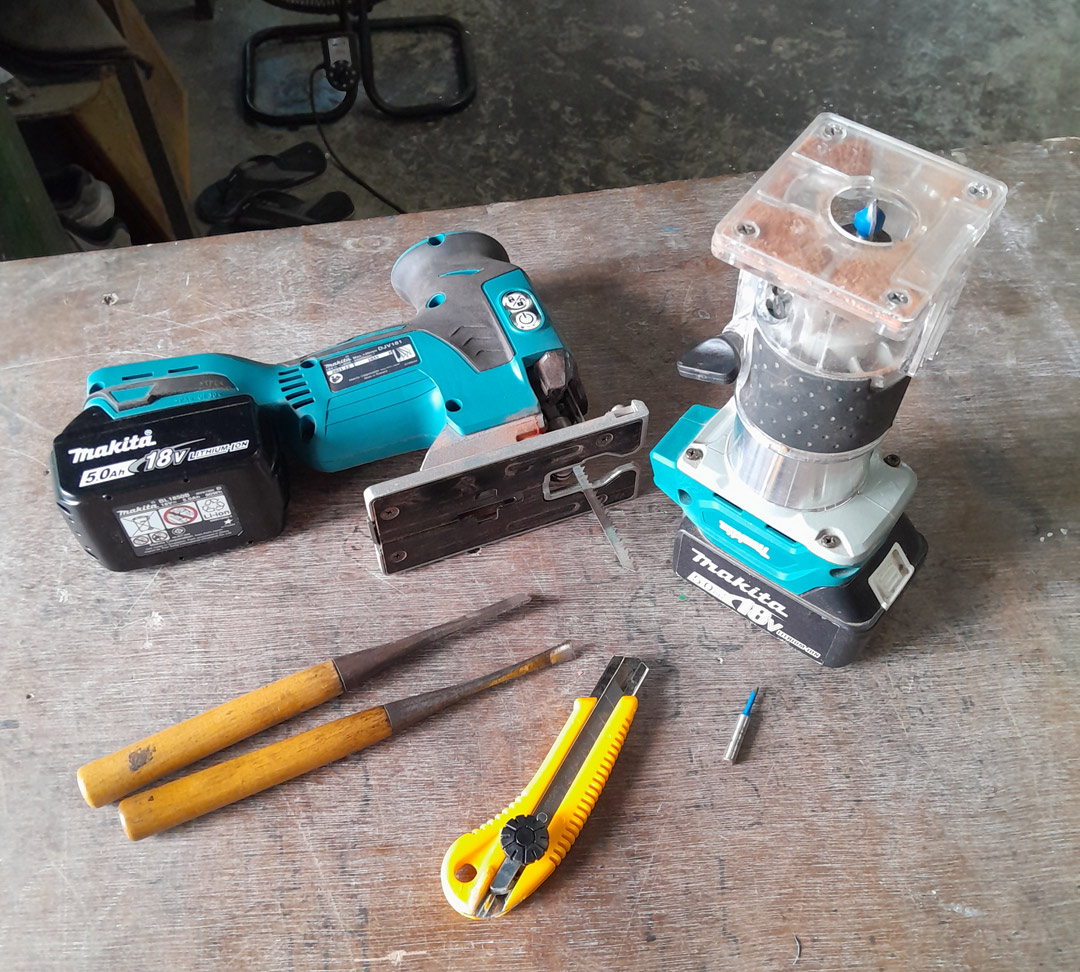
The equipment for cutting and carving were pretty basic.
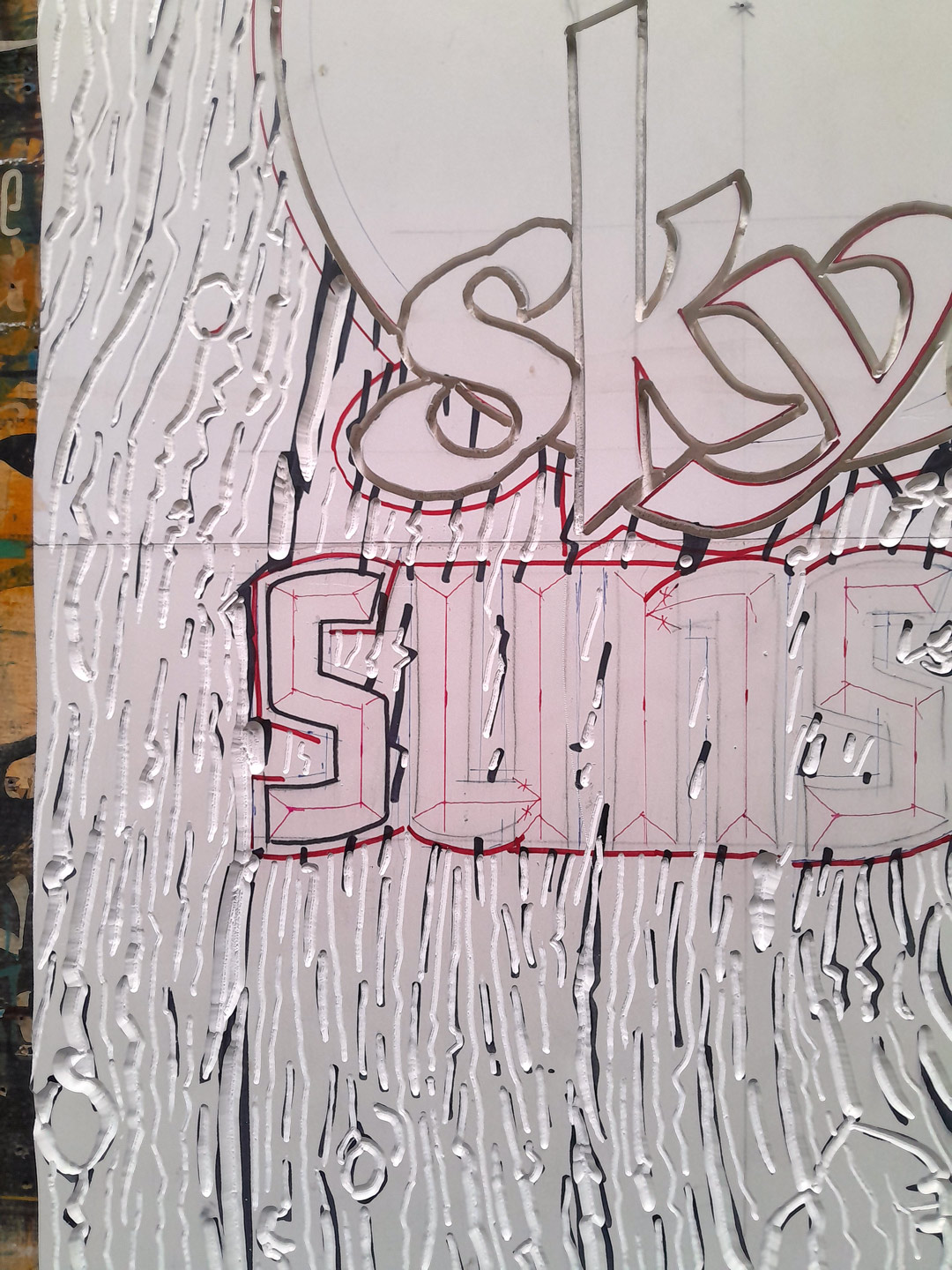
With a small router I carefully routed a 1/8-in.-wide groove about 10mm [about 3/8-in.] deep around the sun and lettering, keeping it as a single line. Swapping to a small 45-degree bit, I routed all the grain lines about 5mm [3/16-in.] deep.
I thought the grain would look fine like that, but it looked cartoony. So, with a chisel I carved between each line, like a bevel, a kind of an asymmetric L-groove, steep on one side, shallow on the other. It looked 100% better.
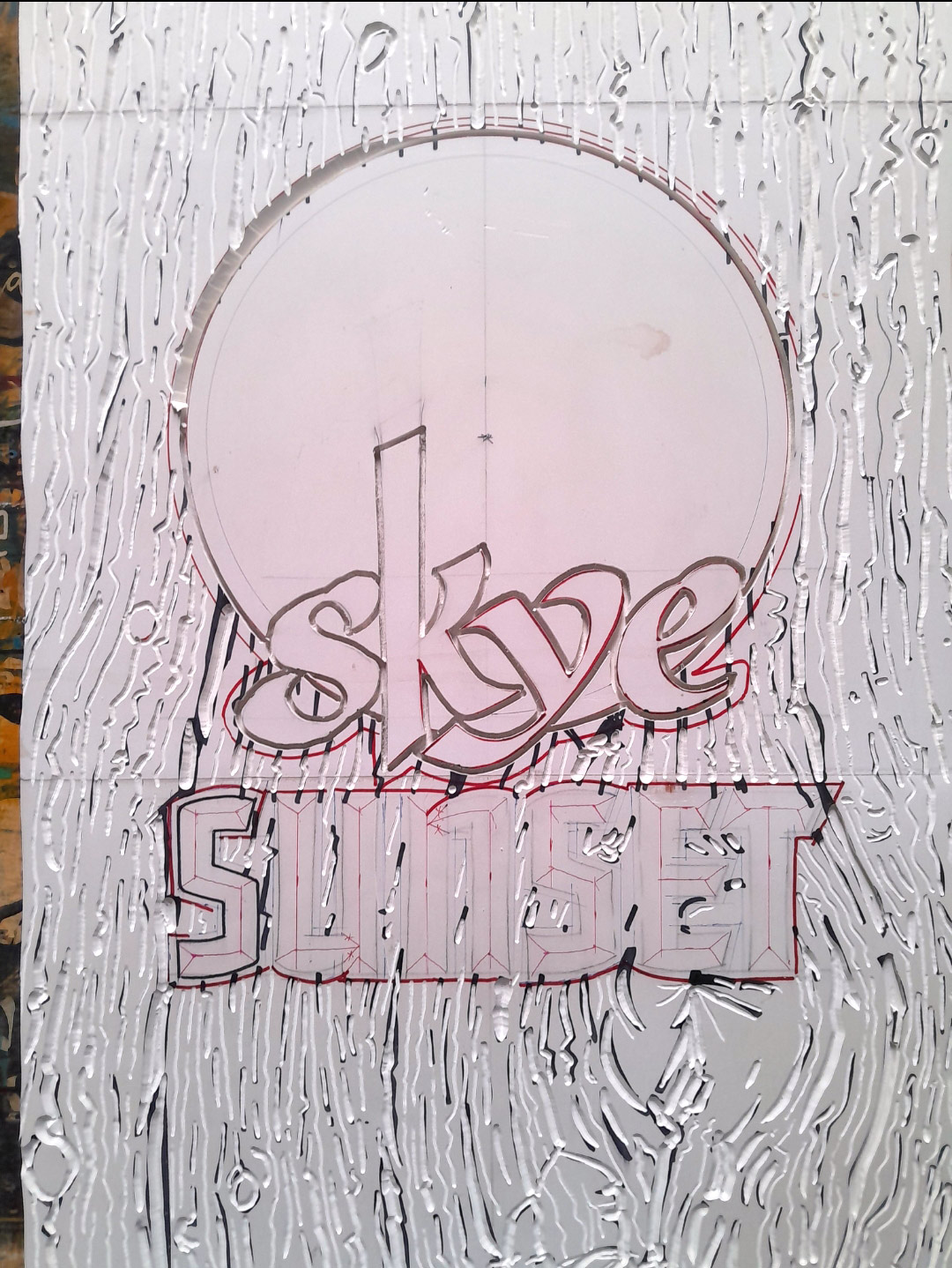
Here the background carving is a bit farther along.
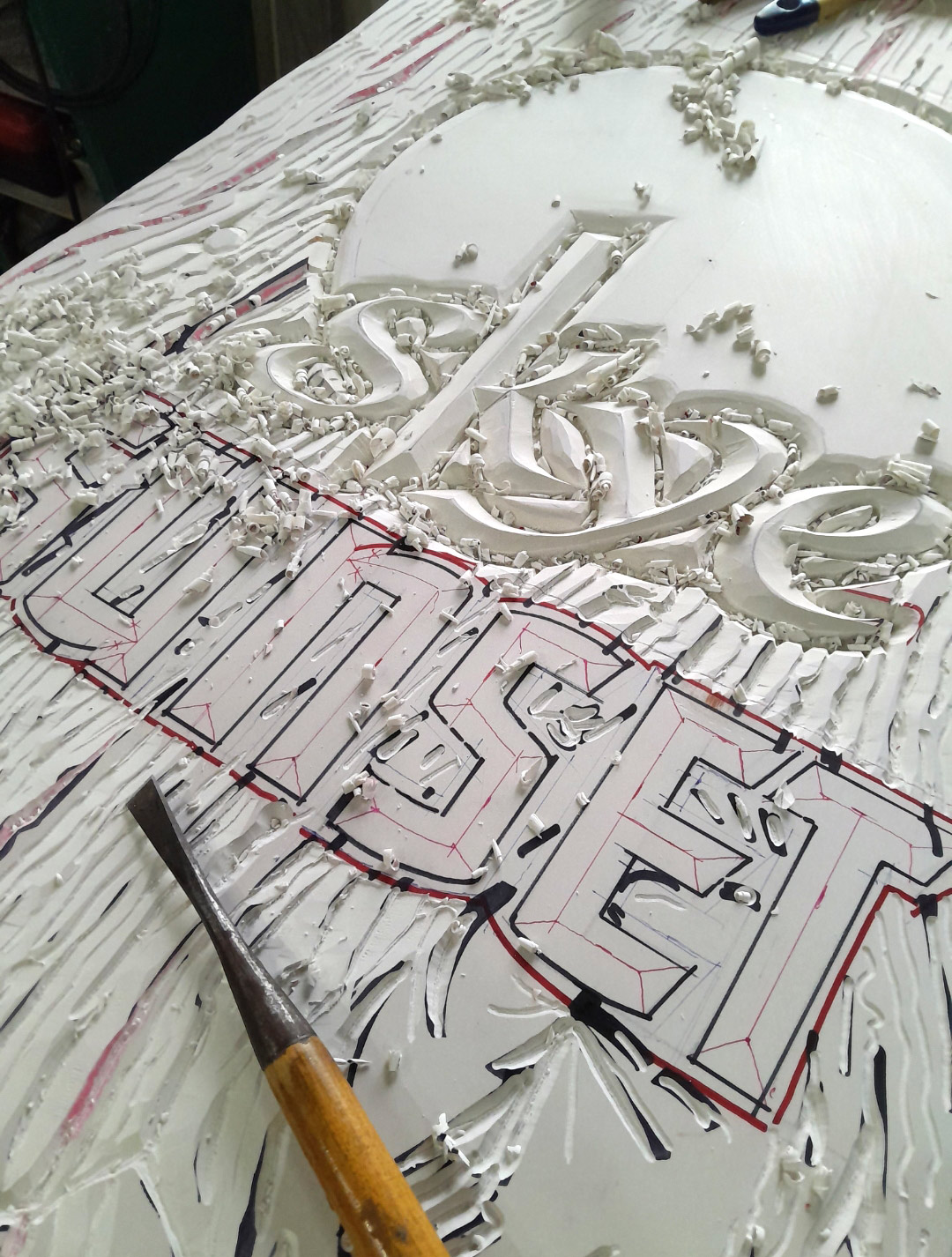
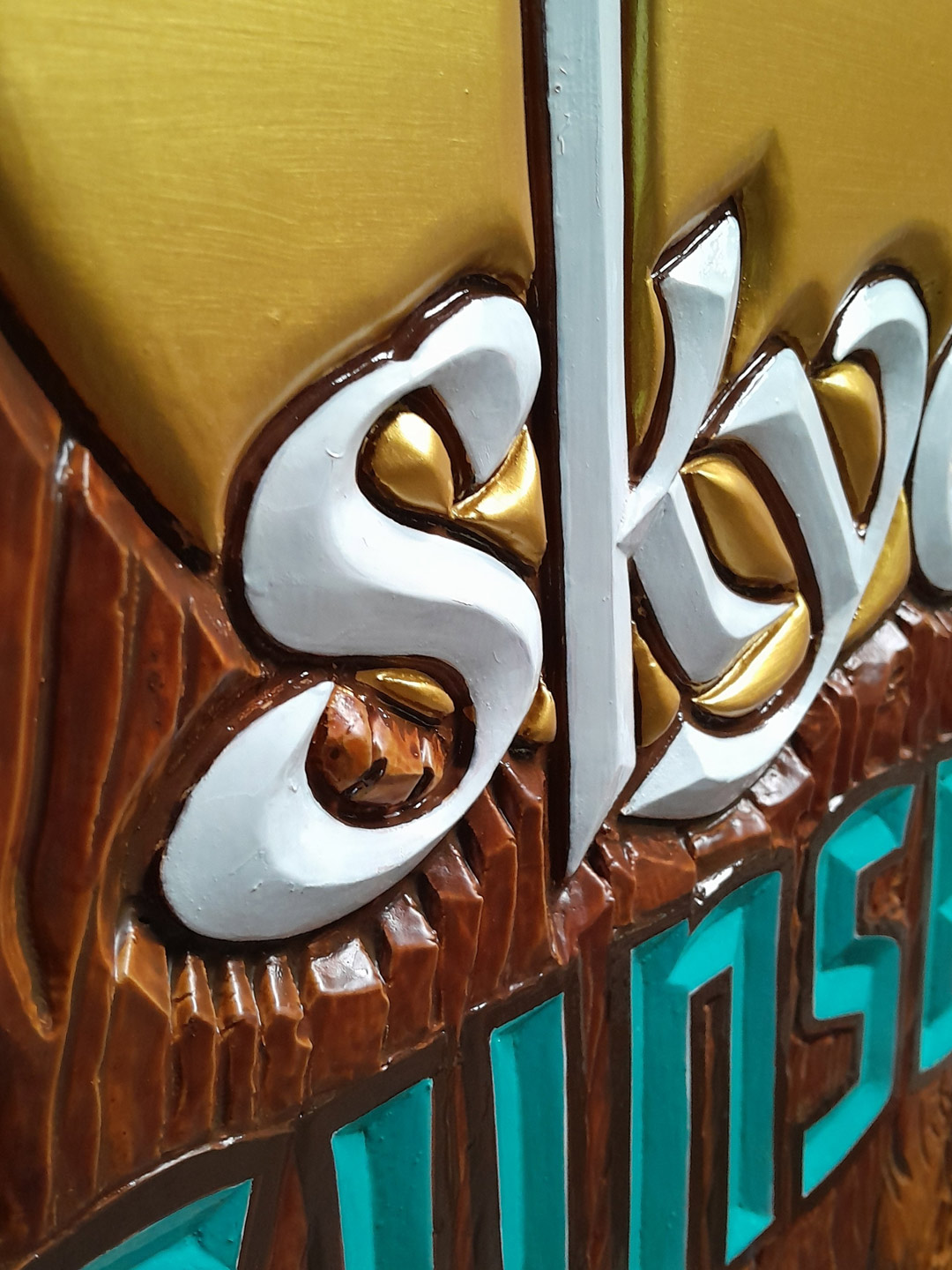
Next, I rounded the sun and beveled the “skye” with a chisel. Using a utility knife, I cut the center facets of “Sunset” and finished carving with a chisel. Plaswood is very easy—maybe too easy—to carve.
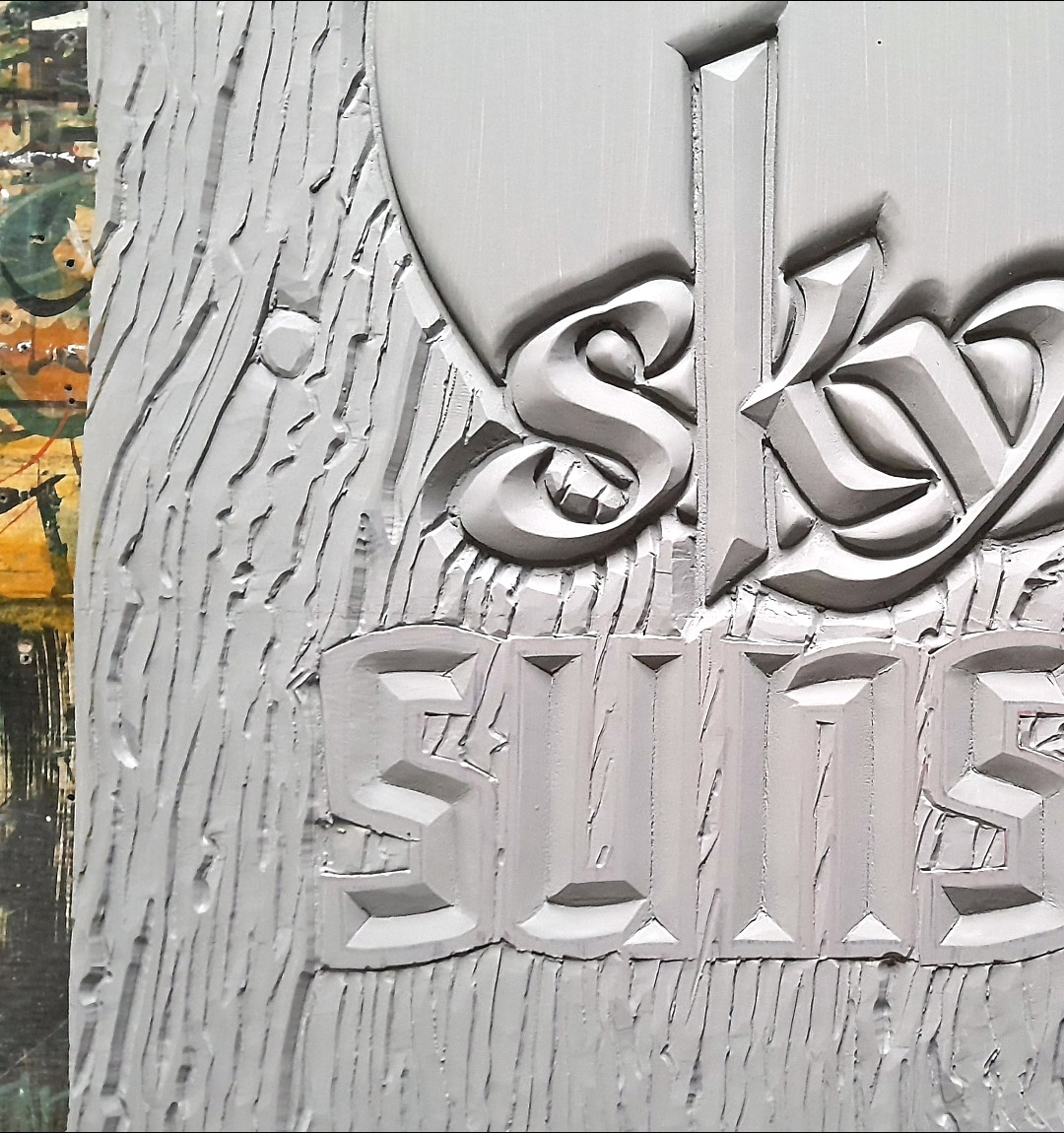
I primed the whole sign with oil-based primer. Plaswood does not require priming, so you apply oil-based gloss enamel directly, but with all the carving, I decided to prime it to minimize the top coats soaking in.
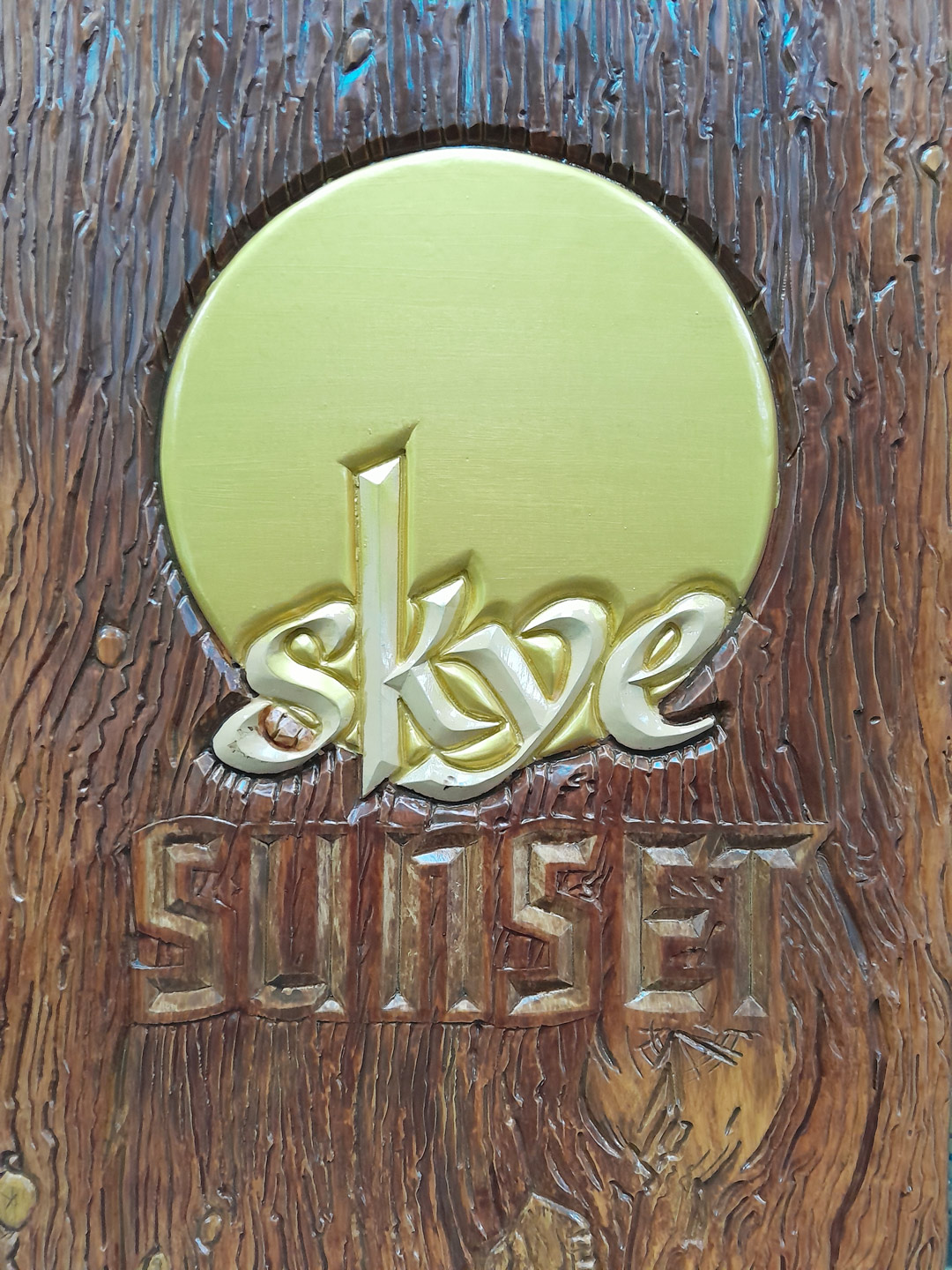
The first coat was a tan/gold gloss enamel which was brushed on. Next I tinted a matte clear with a darker shade of the background color and brushed that on all the woodgrain areas, but not the sun or “skye.” I repeated that with a darker tint and lightly wiped sideways to remove the color from the high points while it remained in the deeper areas.
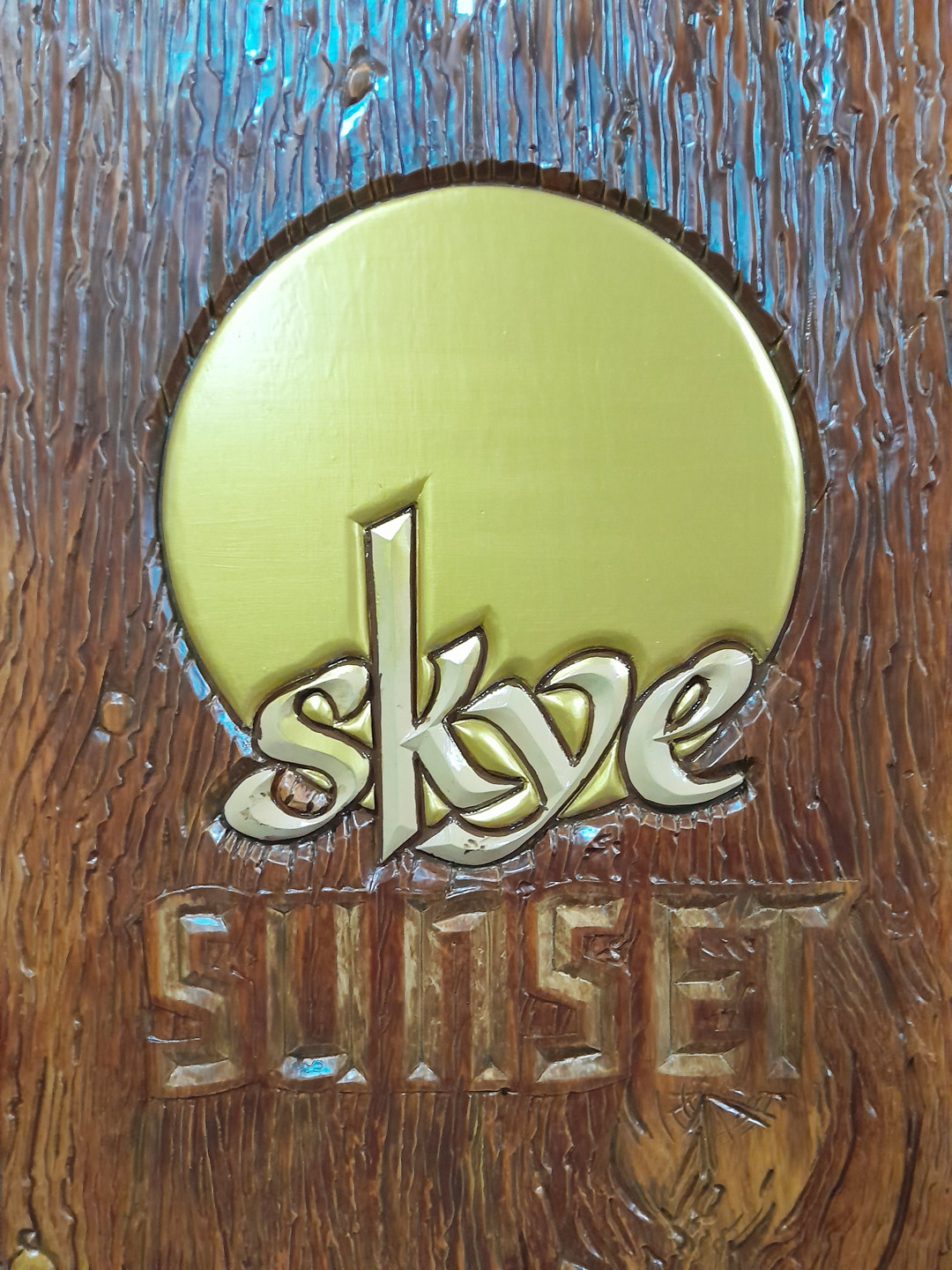
The sun was painted with an oil-based gold. I outlined “skye” with a dark brown before painting the letters gloss white.
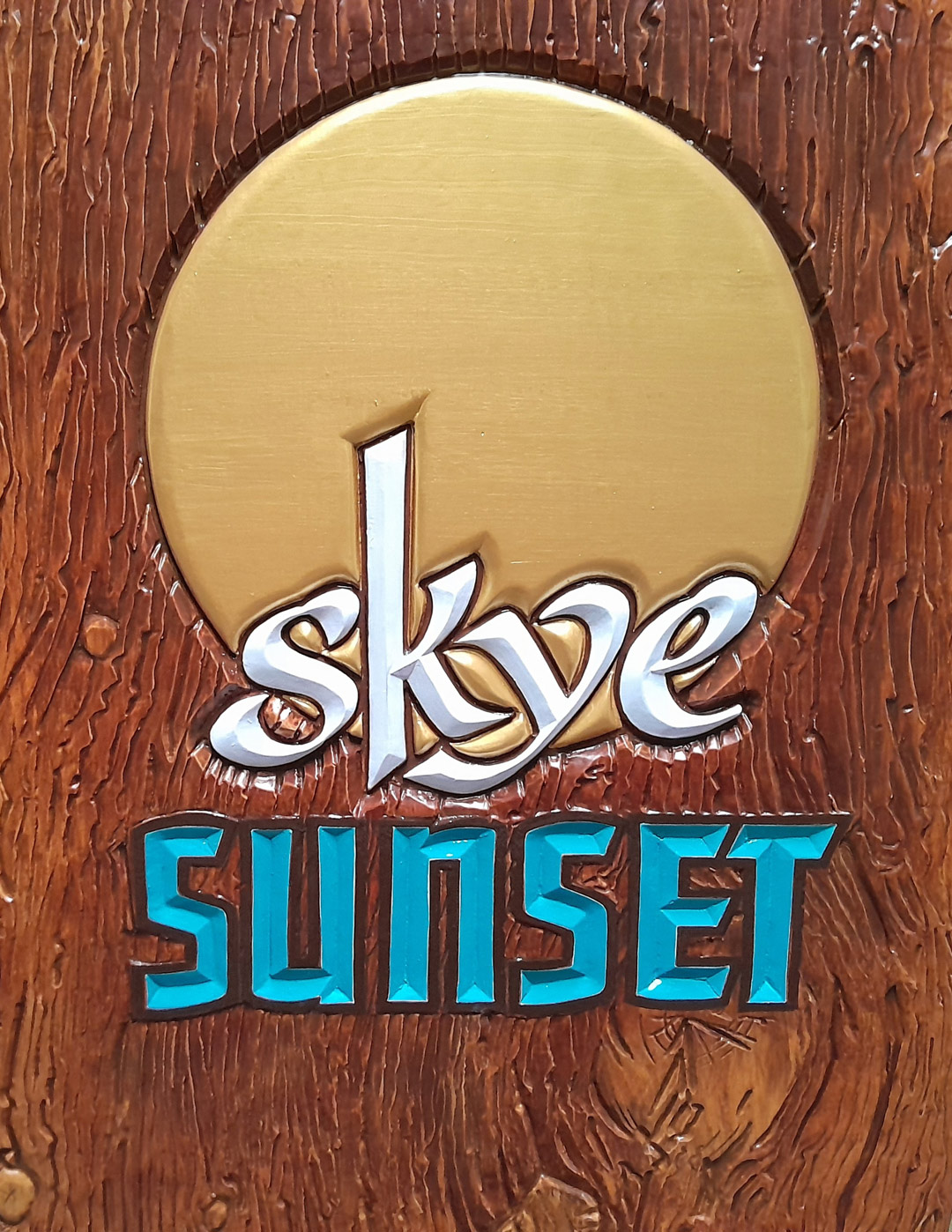
“Sunset” was painted and outlined. I coated the outline with matte clear varnish to stop reflections while leaving the inside of the letter gloss.
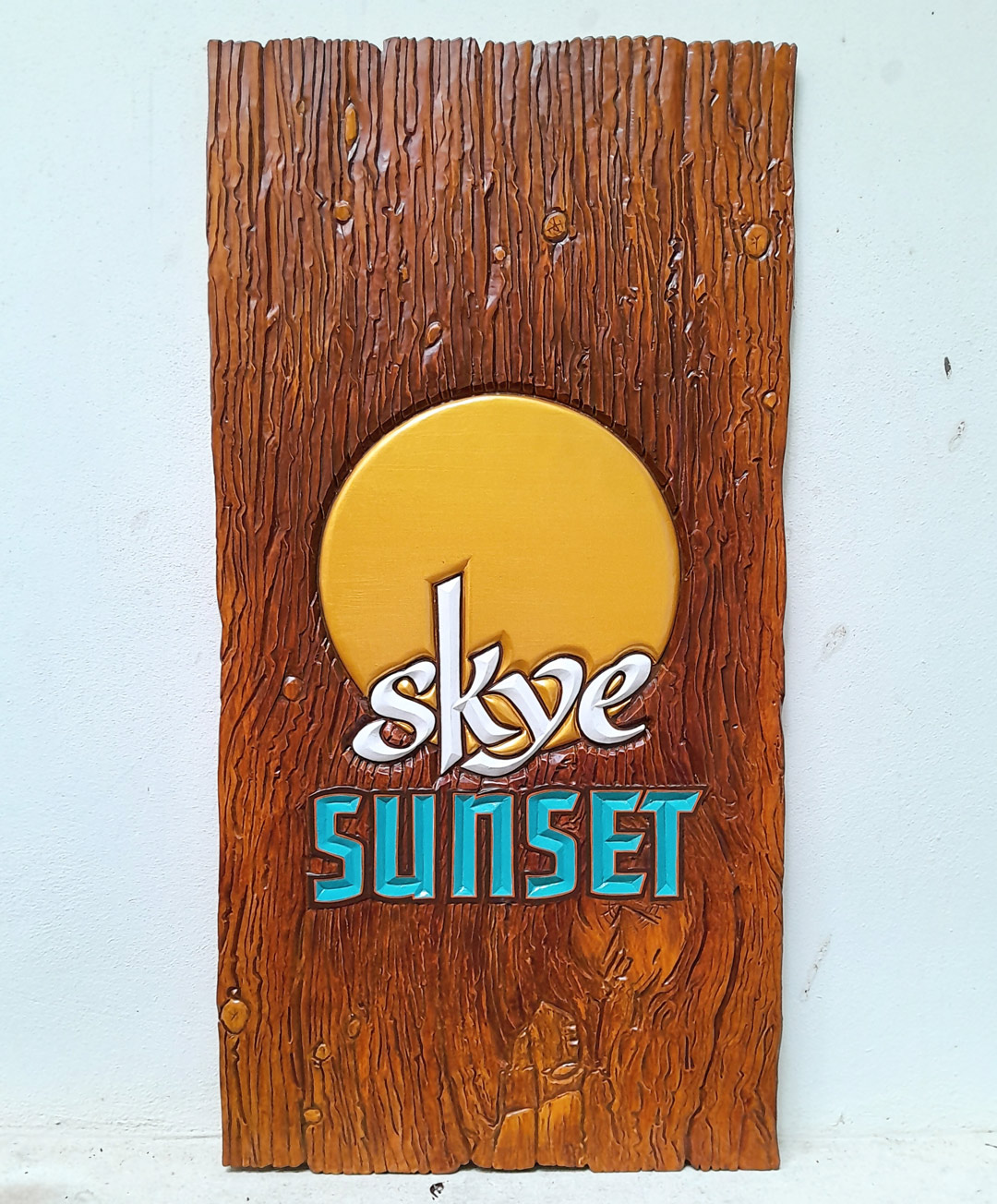
Here it is finished, with a closer look below.
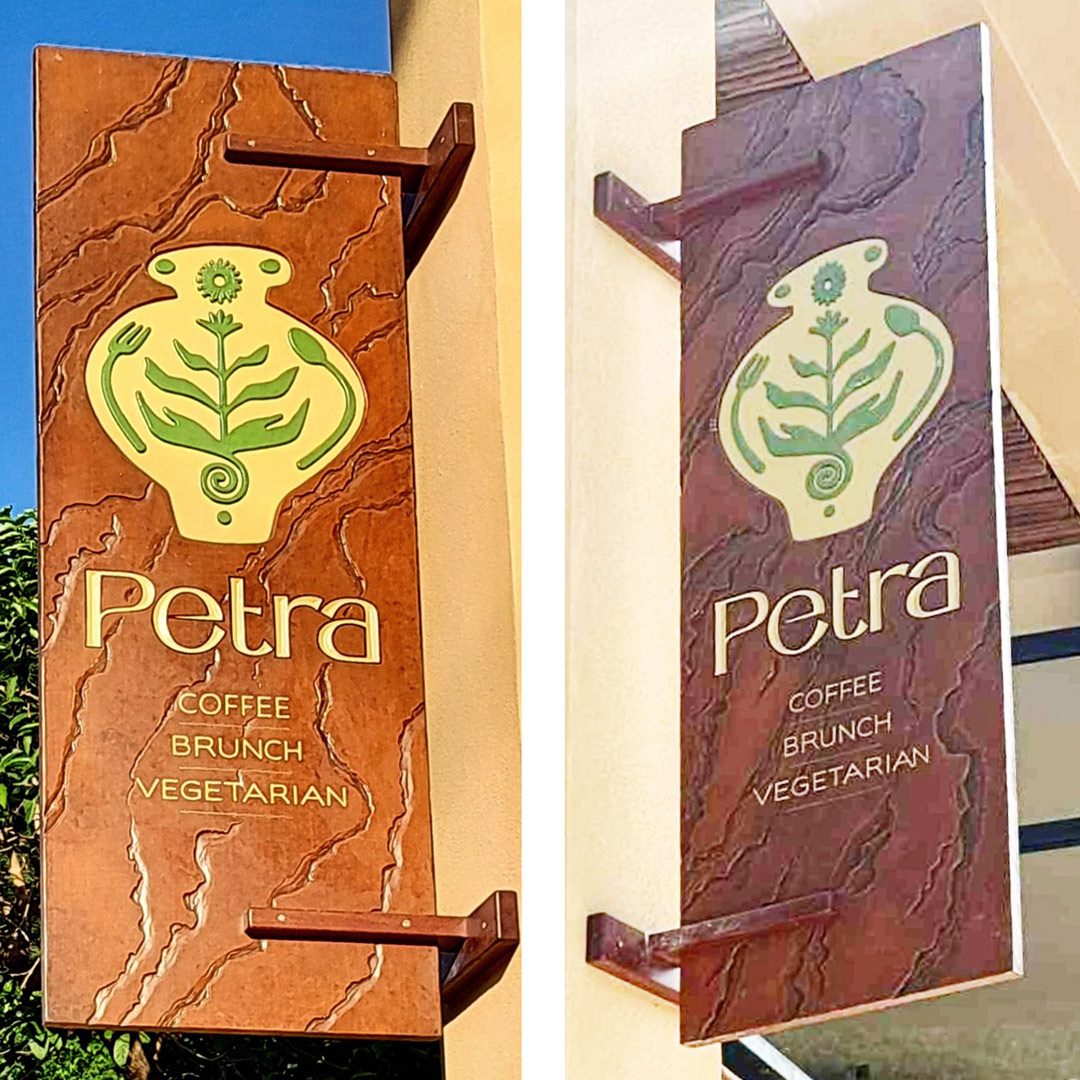
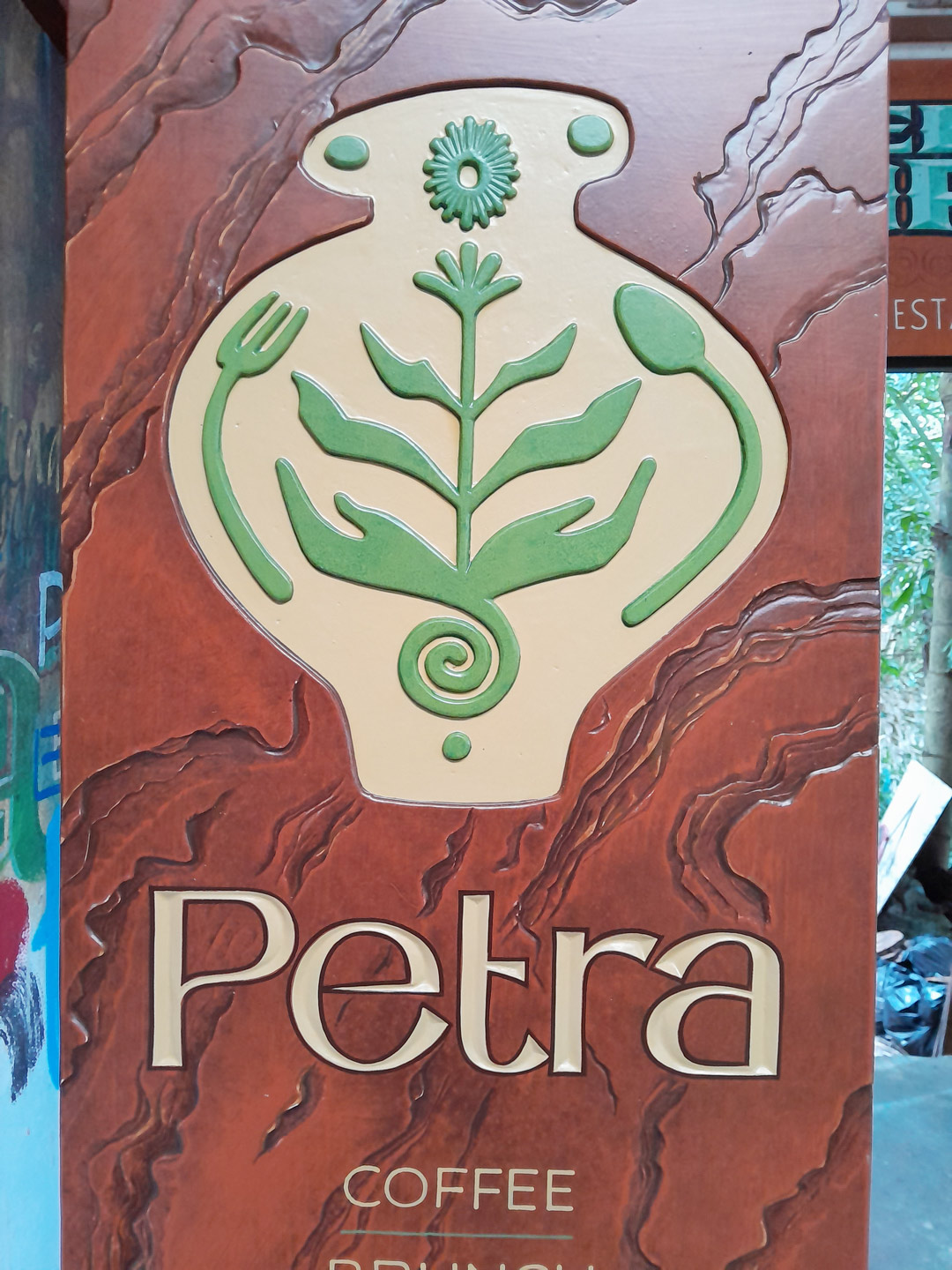
I carved the background of the Petra sign to look like stone, and it worked out well. The Petra sign used the customer’s logo, but the “skye Sunset” sign was all my design.
These were both fun jobs, and both customers are happy!
Rob Cooper lives and works in Koh Tao, Thailand.