By signcraft
Posted on Monday, May 11th, 2026

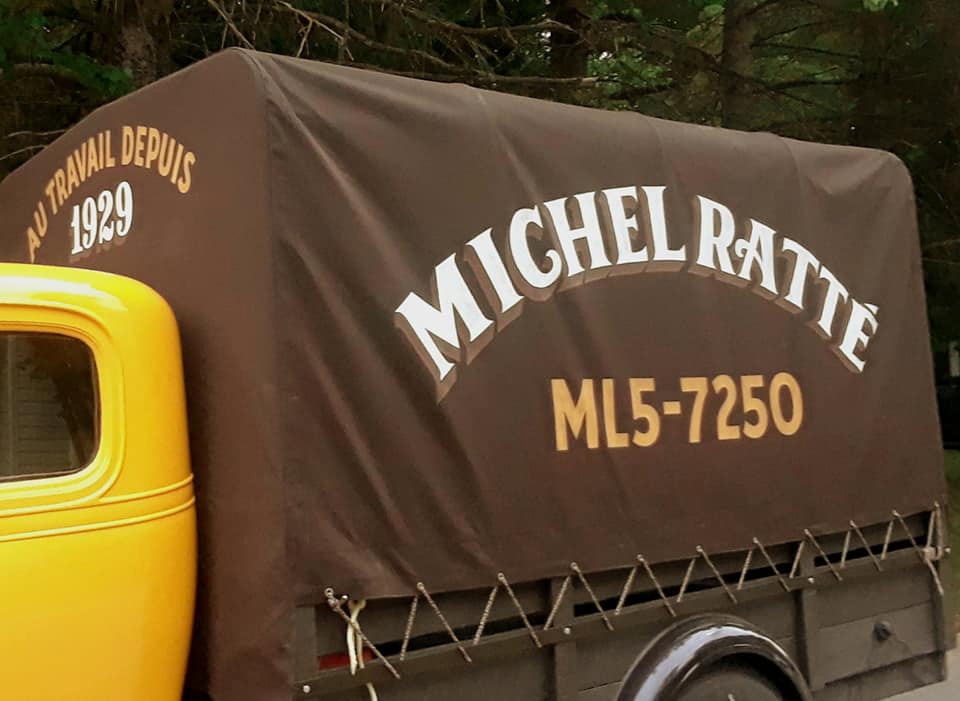
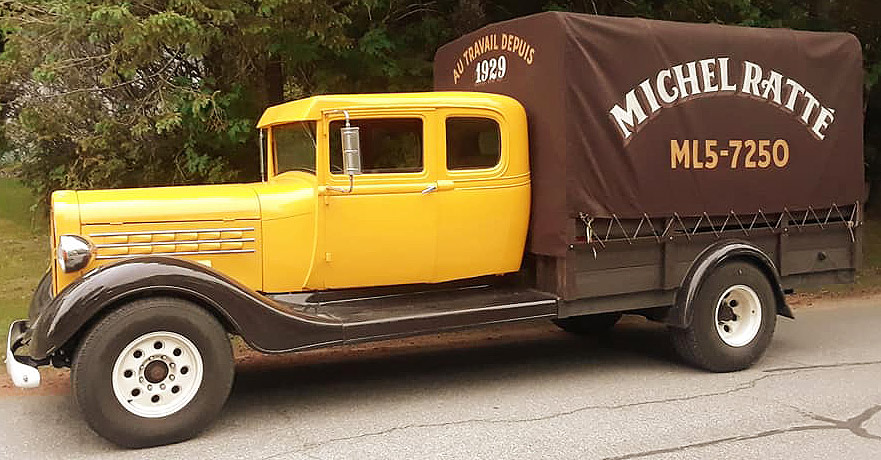
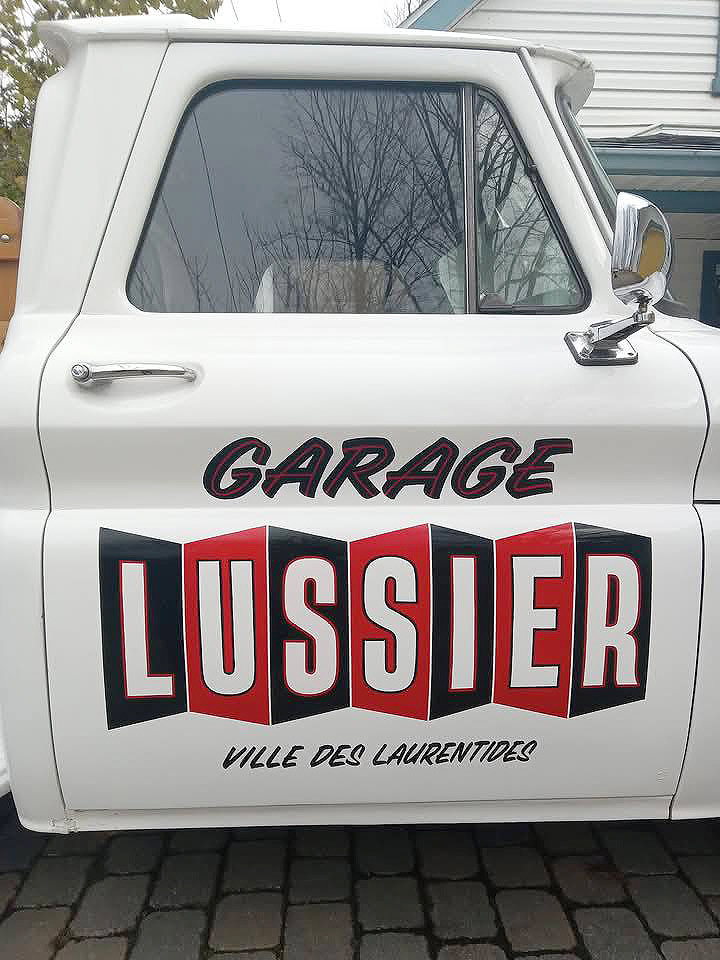
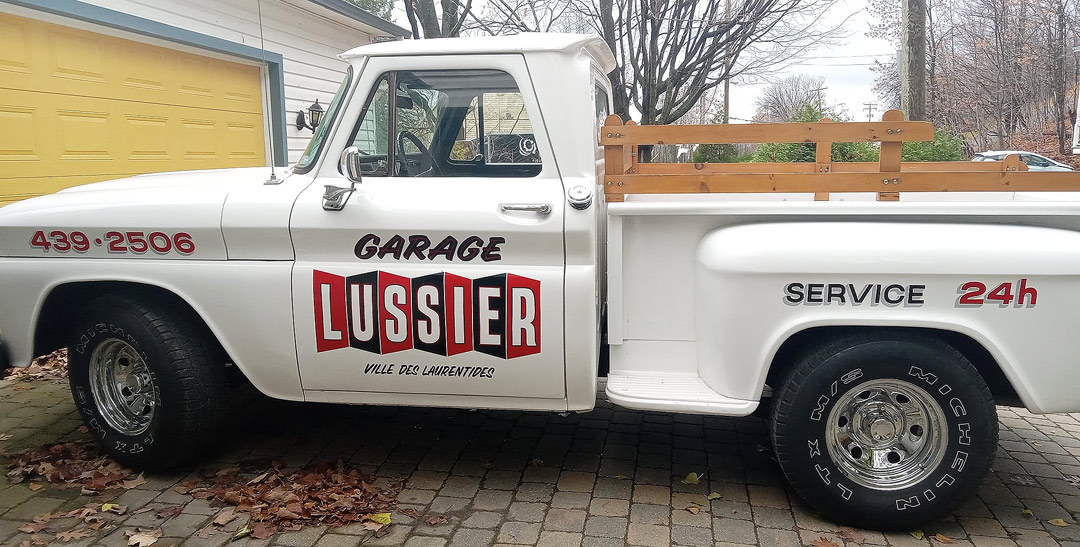
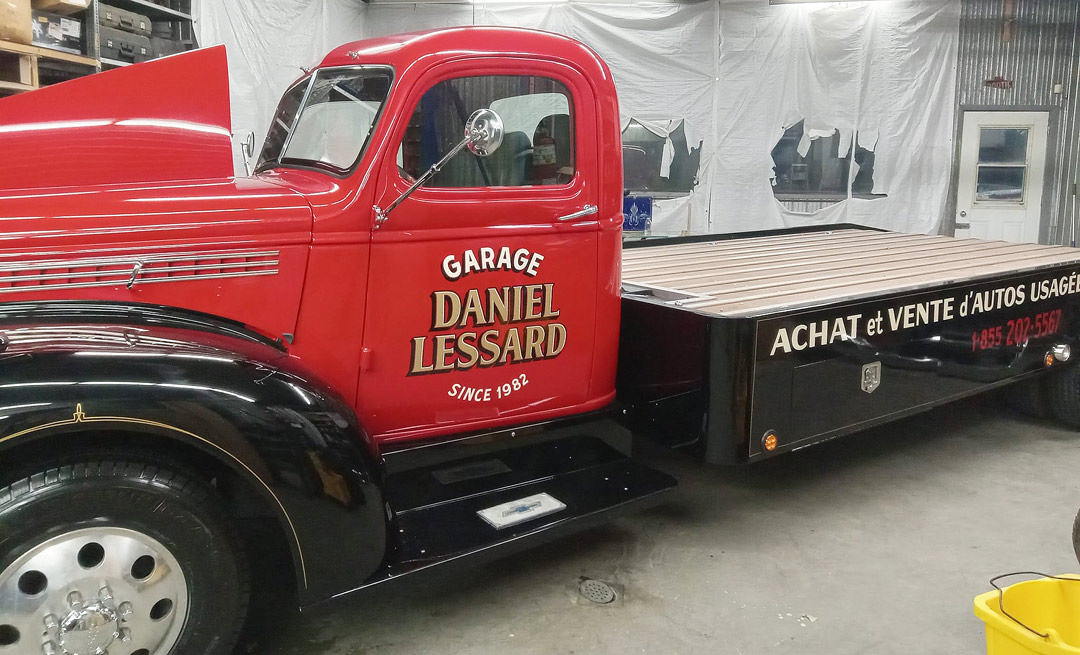
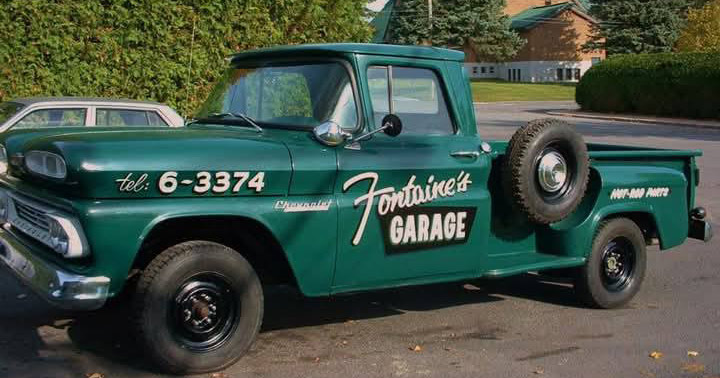
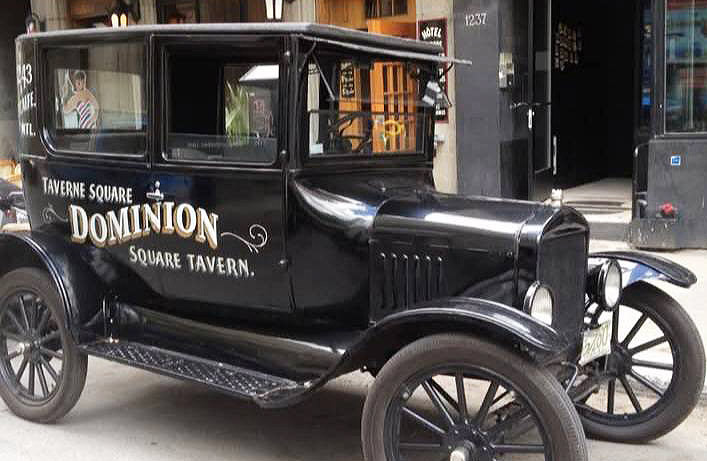
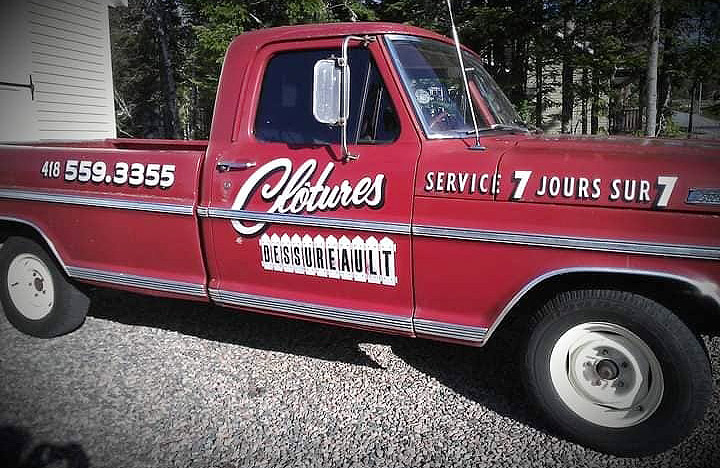
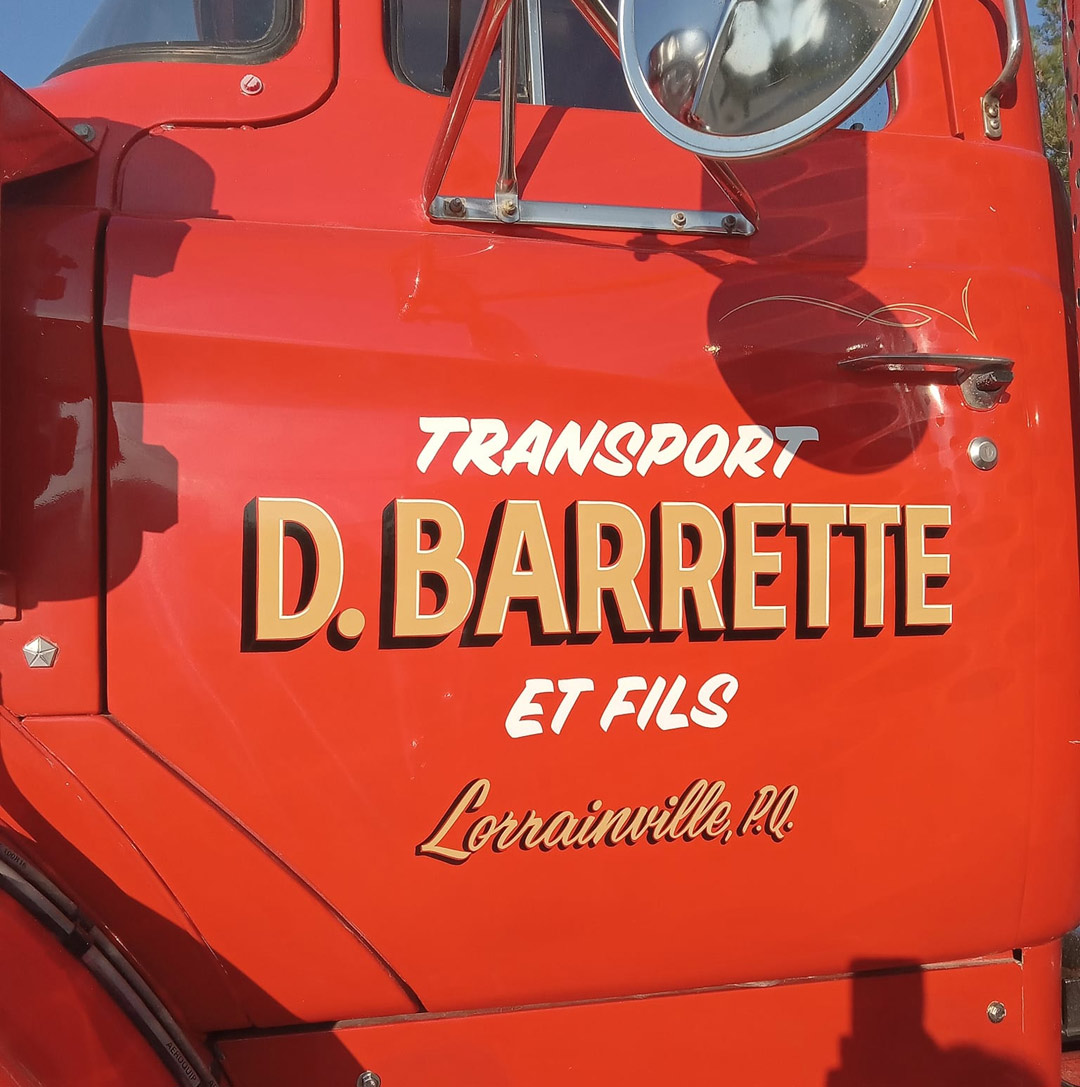
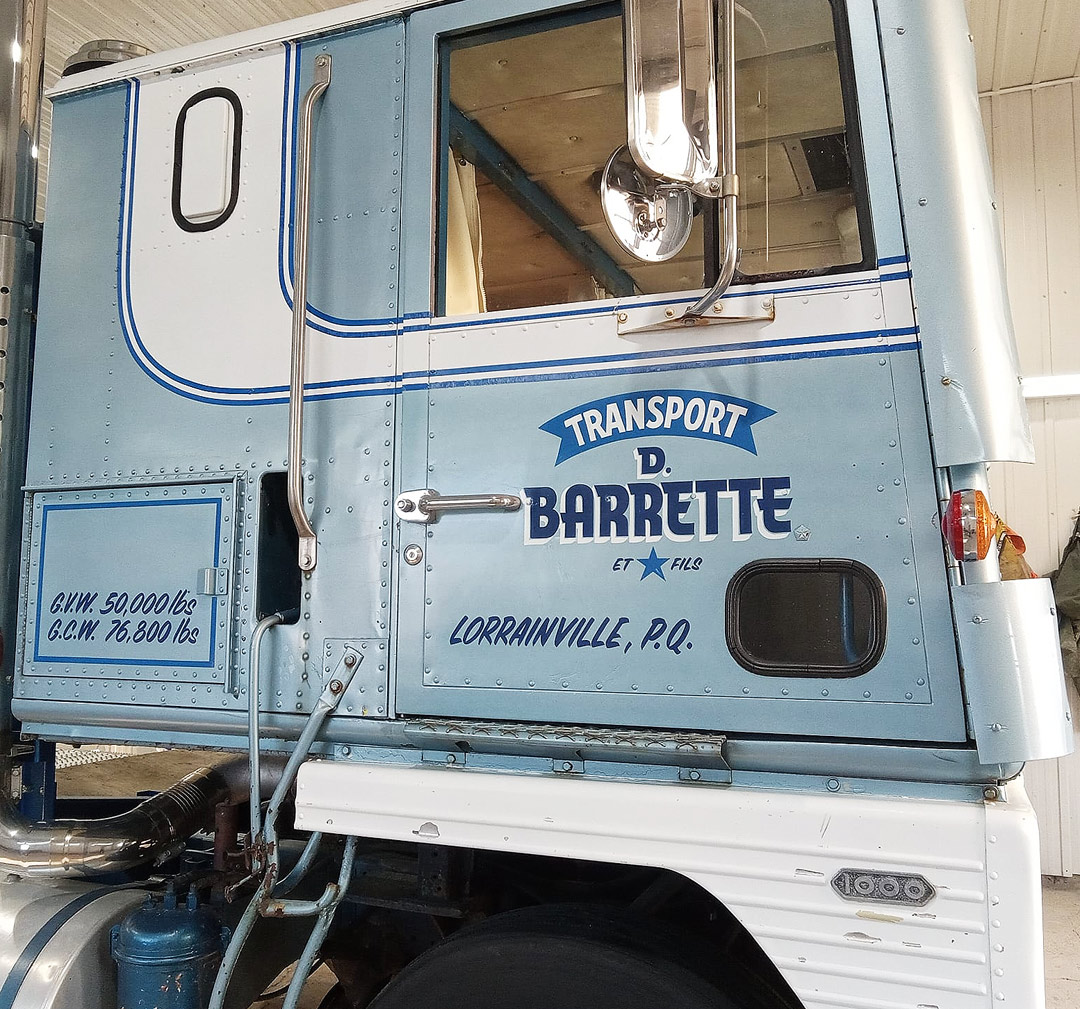
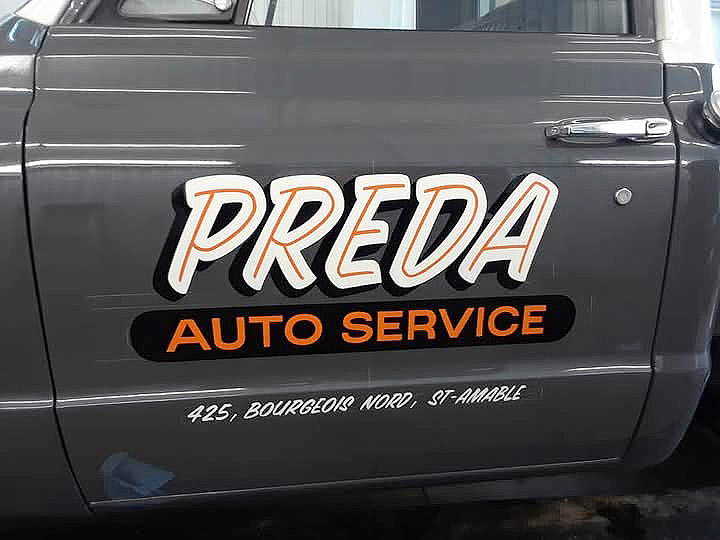
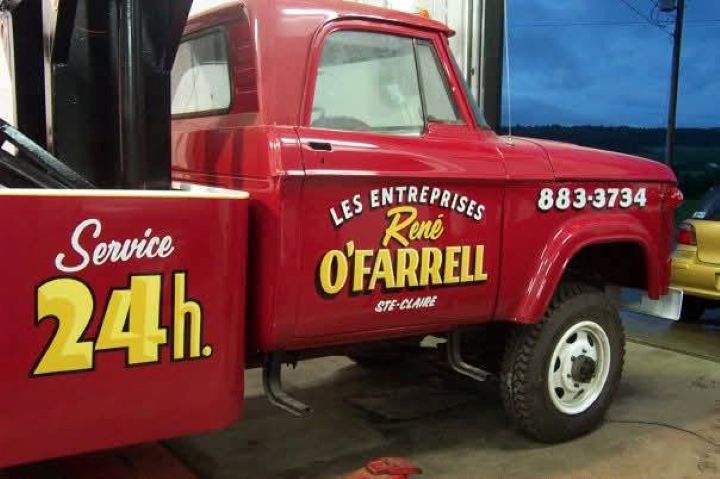
If you do hand lettering, you’re going to get requests to letter vintage trucks. Many car collectors prefer the authentic of real hand lettering. Some trucks may be fully restored, others may be meant to look old and worn, which requires faux vintage lettering. Either way, it’s important that your layout, letter and color choices are appropriate for the age of the truck.
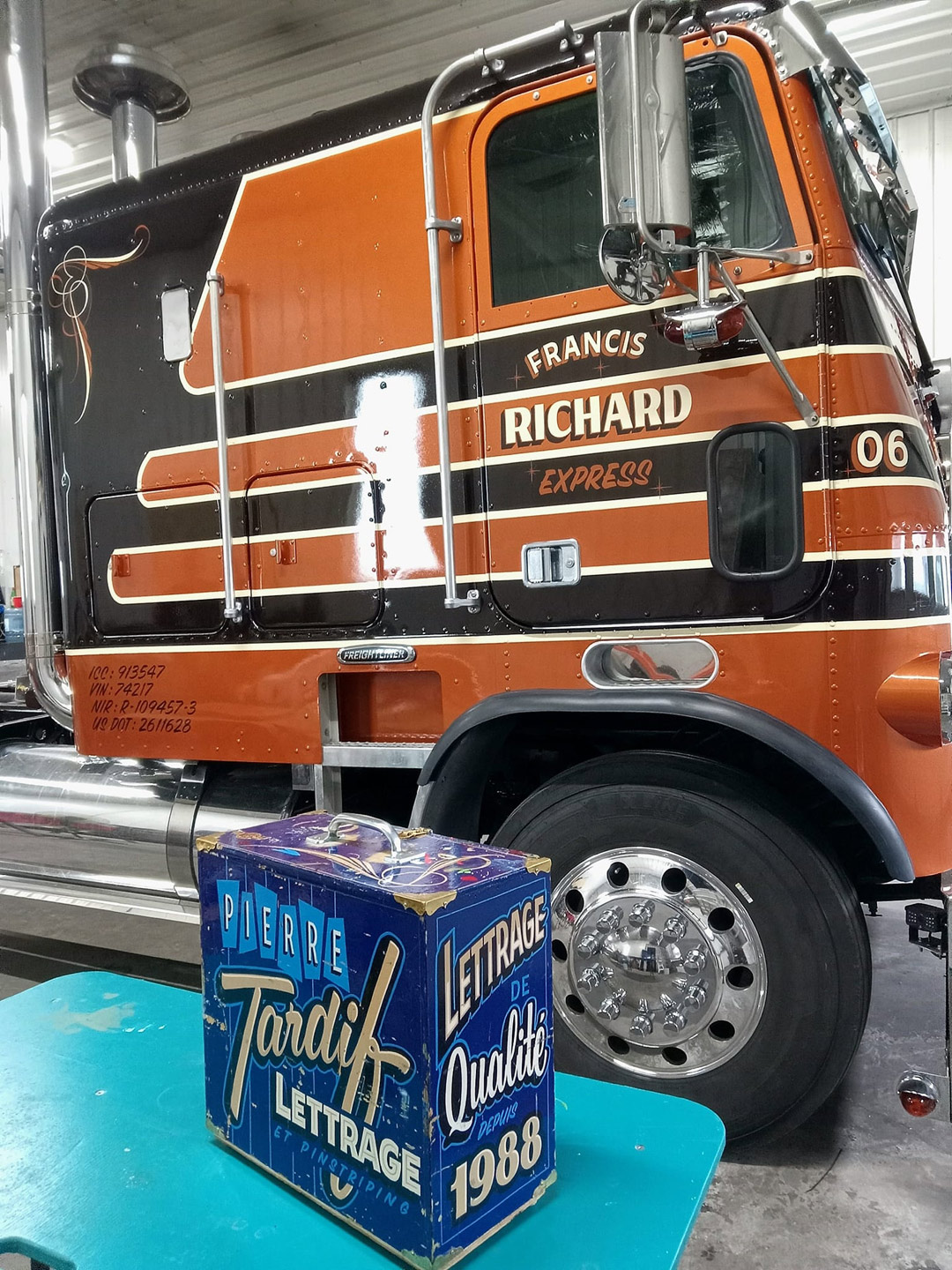
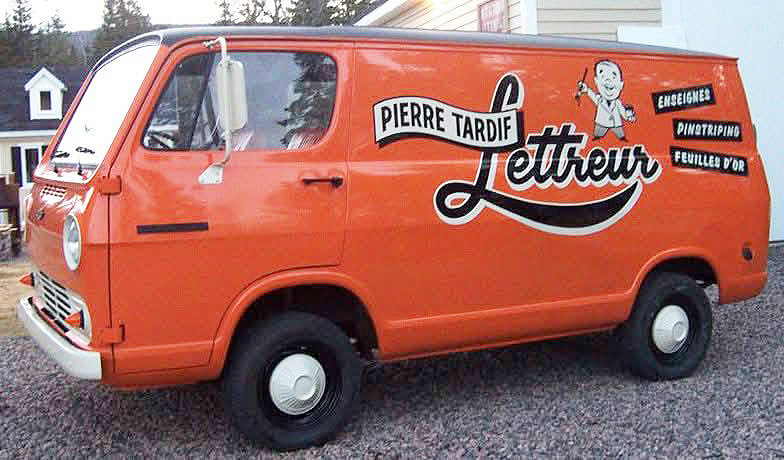
Piere Tardif, Grondines, Quebec, Canada, does hand lettering exclusively and frequently gets called on to add lettering to a truck that is decades old.
“I love doing a lettering job on a vintage truck,” says Pierre, “and make it look just like it would have looked when the truck was new. It always makes the truck look unique and authentic.”
Pierre has been lettering vintage vehicles on a regular basis for close to twenty years. When he closed his window splash business and decided to return to hand lettering, his first big jobs were for movie productions, and that showed him that there was a market for his hand lettered work. In 2007 he started doing car shows. That helped him connect with several people who owned vintage vehicles that needed hand lettering appropriate to the year of the vehicles.
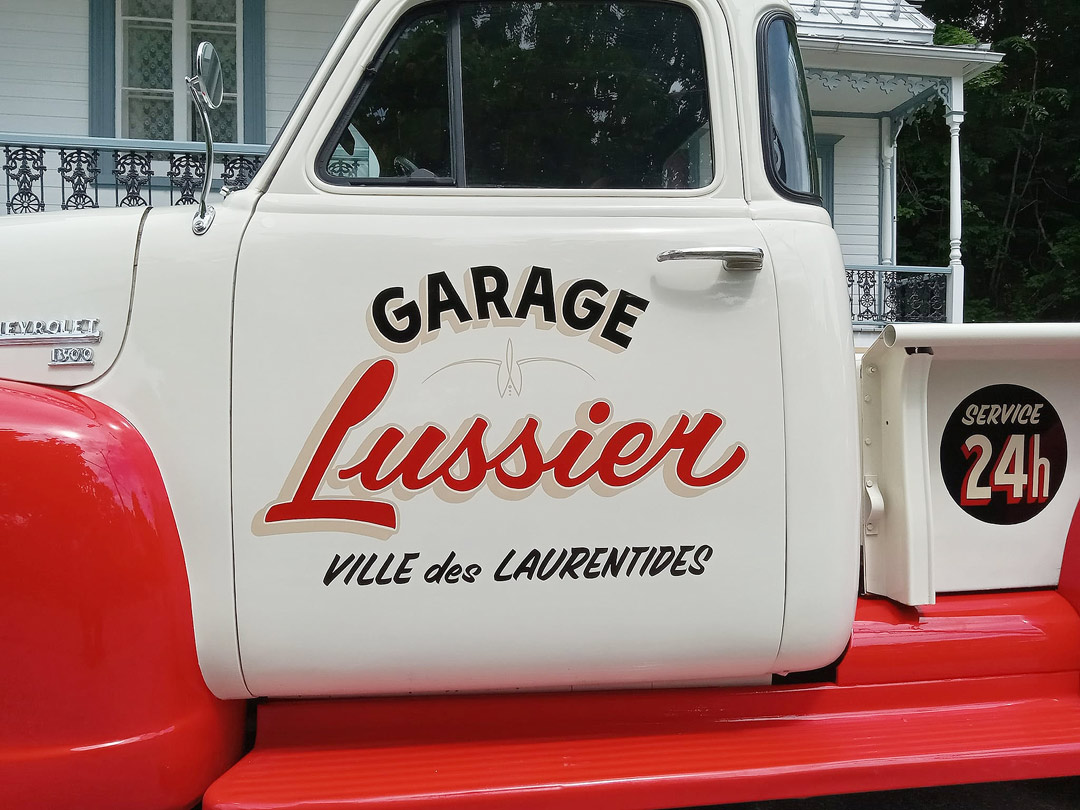
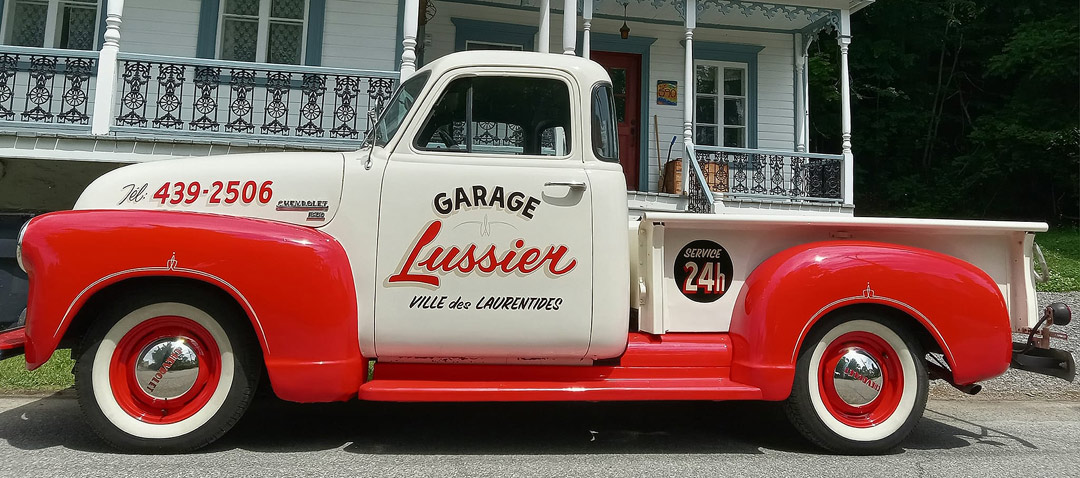
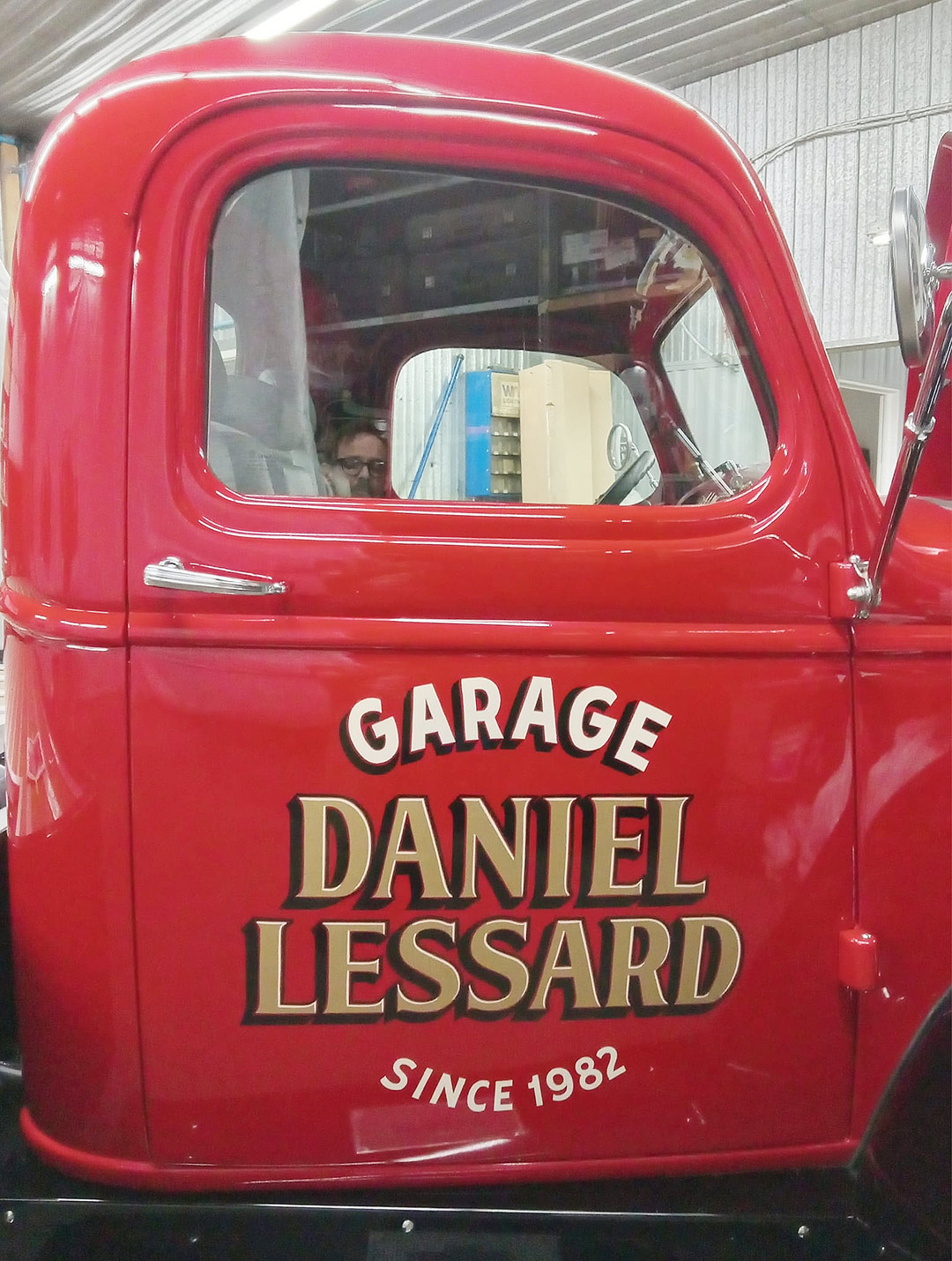
“As I was growing up, there was a style of layout and lettering that was typical in Quebec,” says Pierre. “It was that was all around me as I was growing up. I try to use that same approach so that the lettering has the right feel for our area. I use a lot of block lettering and scripts that were common during sign painting days. The lettering wasn’t fancy and the color choices were usually pretty simple, too.”
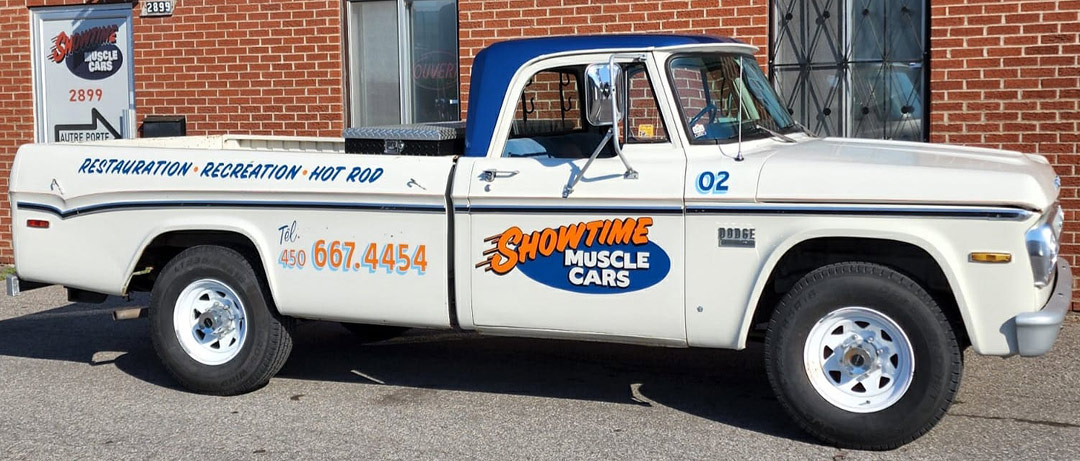
Many of these vehicles belong to car enthusiasts who take them to car shows. Some are marketing tools for businesses. Others are used as part of the décor in eating and drinking establishments. In every case, Pierre tries to give them a design that fits with the era of the vehicle.
“I love doing these old trucks,” says Pierre. “I like everything about them to be authentic—the letter styles, the layout and the colors. It’s so much fun to put that all together.”
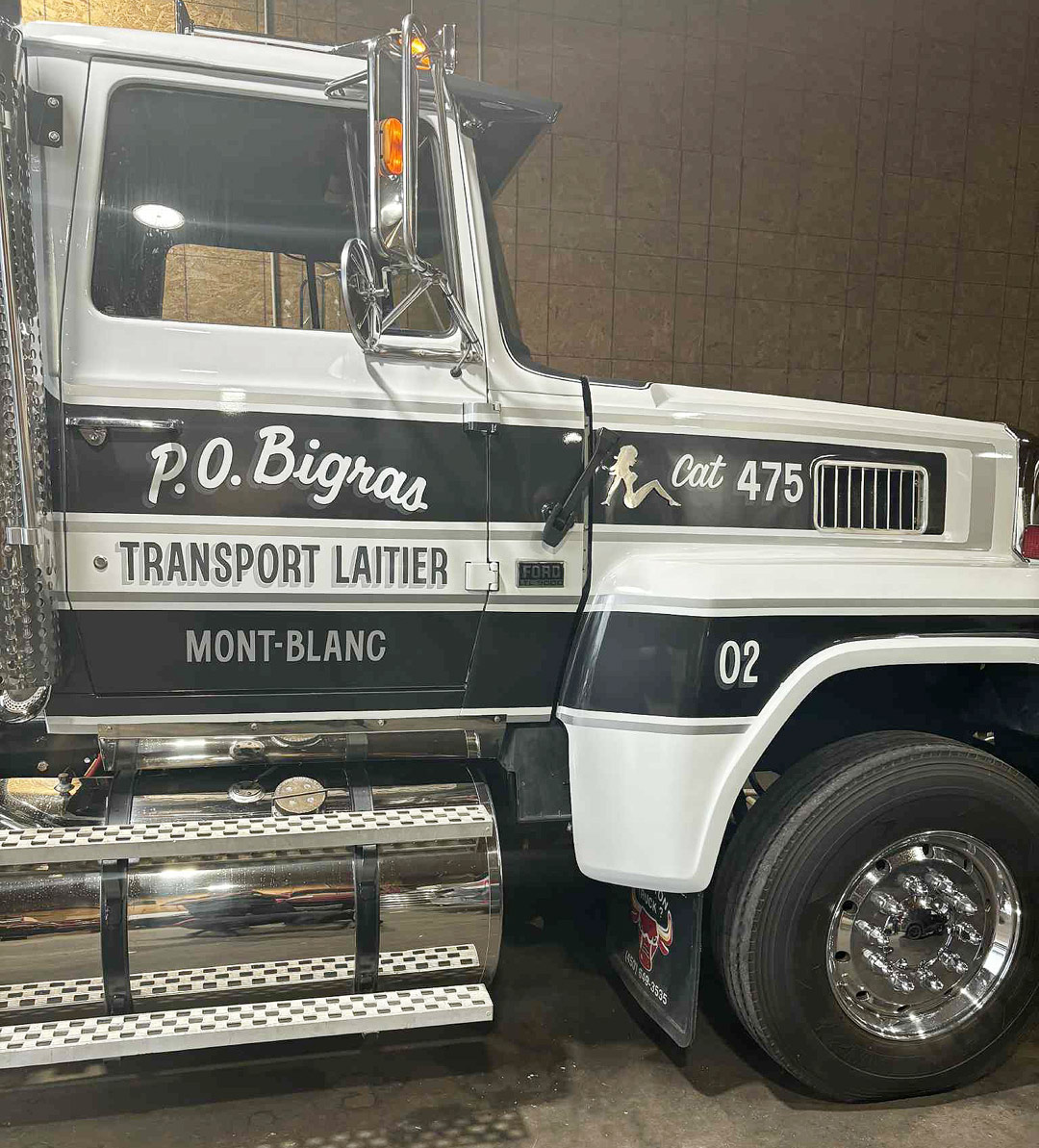
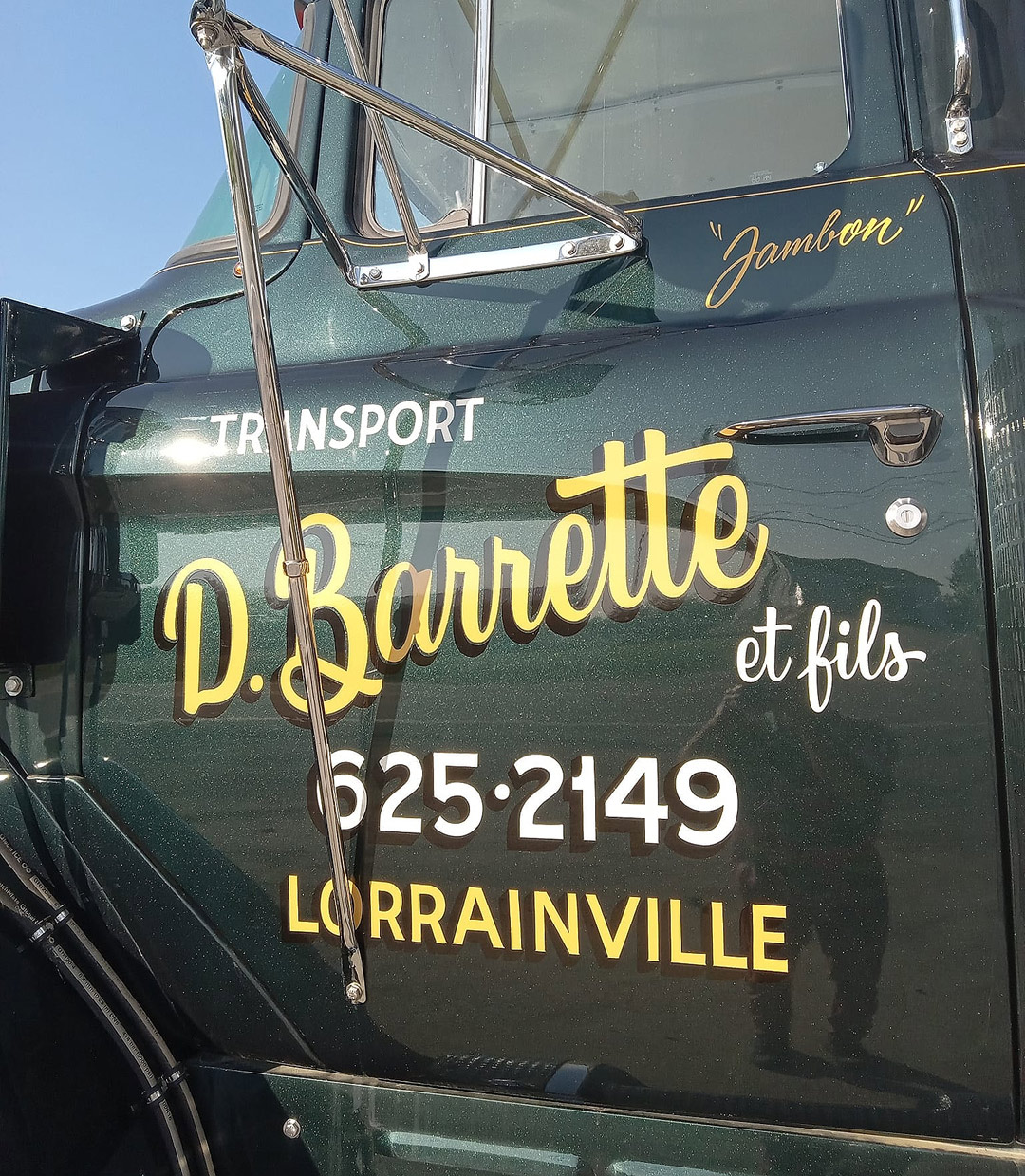
Once he gets the copy for the truck door, Pierre usually does some research, digging through his collection of books and magazines to get a feel for the look of the era. The lettering was often simple and straightforward, so he sticks with traditional hand lettered styles, typically adding a shadow as signpainters of years past did so often. Occasionally the owner has an old photo of the vehicle and are restoring it just as it was back then.
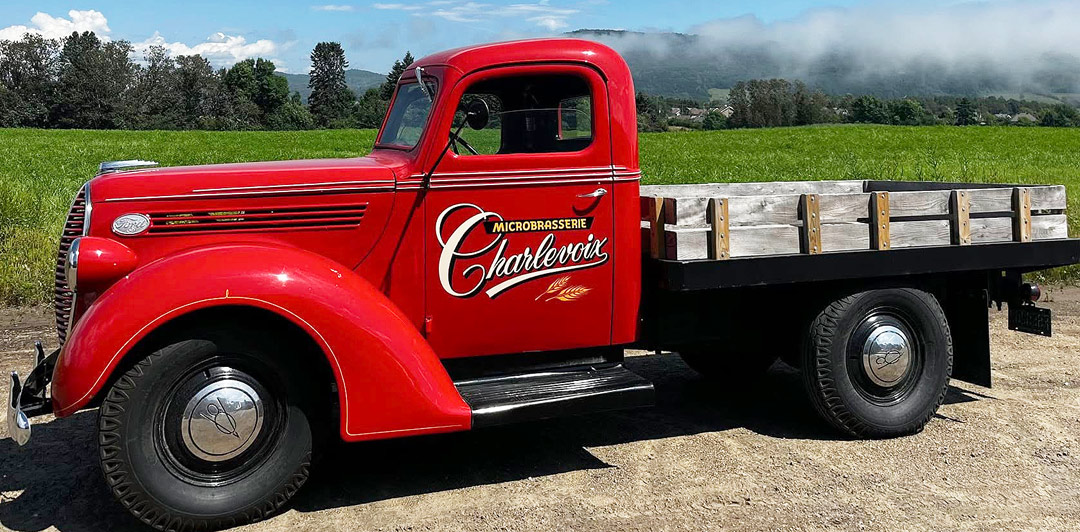
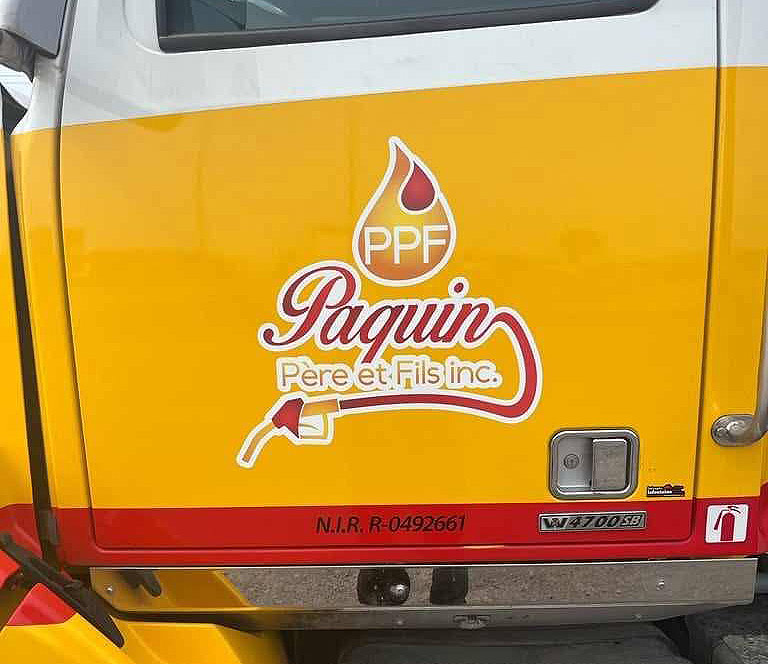
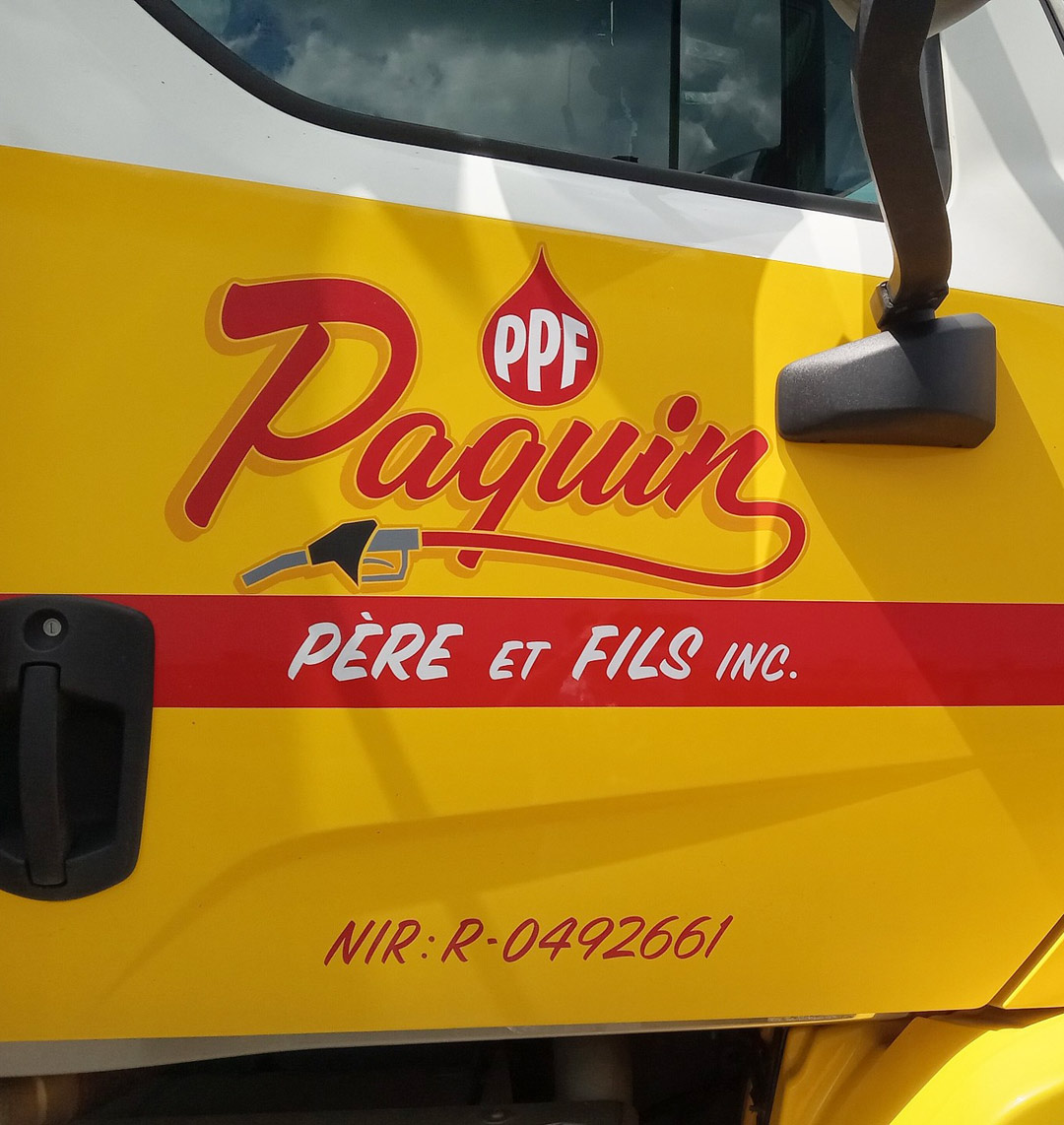
“Other times a customer will say they want their logo on the vintage truck,” Pierre says. “I explain that I don’t reproduce modern logos on vintage trucks, but that I will do my version of their logo in a way that is appropriate for the era that the truck was made. I explain that we want to create the idea that you opened your company back in the 1930s and now you found one of your trucks from back then. It wouldn’t have your modern logo on it.”
When the job is complete, Pierre gives them the invoice along with a sheet that explains how to maintain their lettering: No pressure washer any more than four feet to the lettering, wax it twice per year, spray wax the lettering after routine lettering, and so on.
“Also on that sheet, Pierre says, “I explain that the customer purchased the vehicle lettering from me—they did not buy a logo or an image or the design itself. If they want to use that design for any other purpose, they must get in touch with me first. I retain the rights to the design.
“If they just want to make some t-shirts or baseball hats with the design on it, I don’t mind. I just ask that they give me a hat or a shirt. But if they want to use it for other advertising purposes or on another vehicle, there is a charge for that. If they decide that they don’t want to have the design painted on their trucks in the future but to have it cut in vinyl, it’s no problem. But there is a charge for the design.
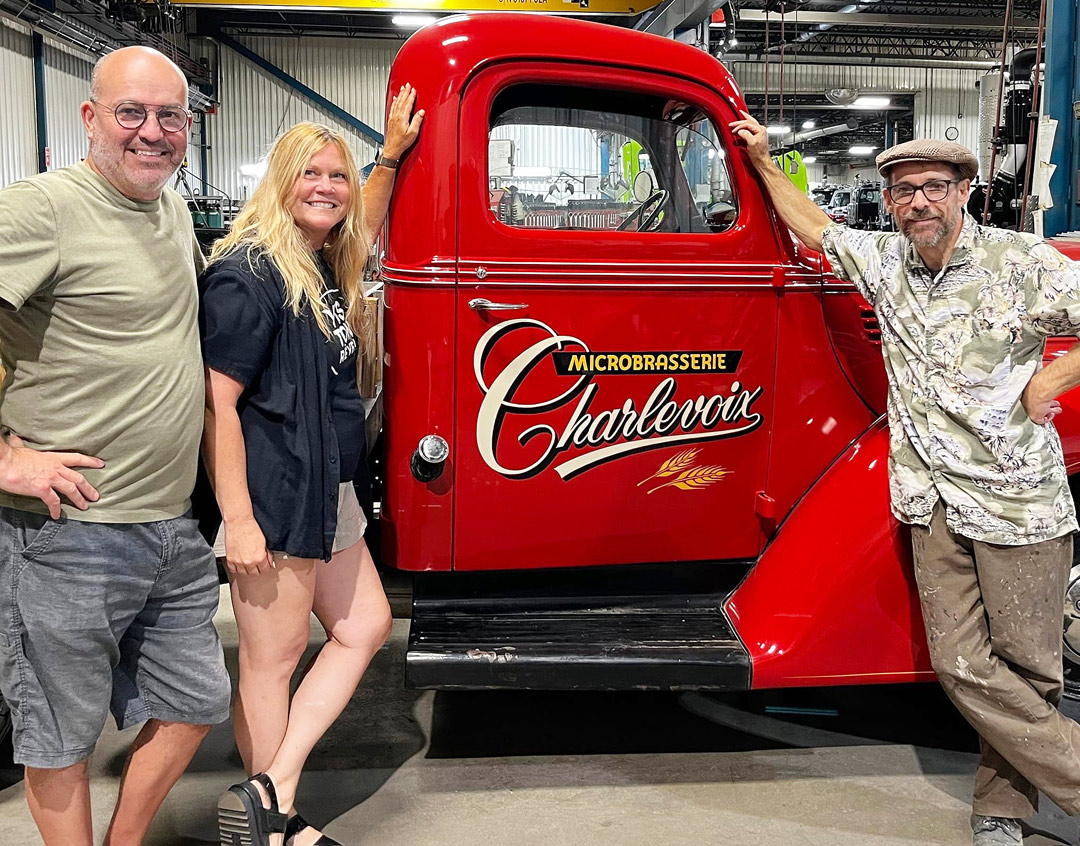
“I did a truck for a brewery recently and they loved the design so much that they said they wanted to use it on their bottle labels. I said that was great and there would be a charge for that use. I took the design into Photoshop and cleaned it up, adjusting the kerning and making a few corrections. It took me a couple of days, and I charged accordingly.”
There have also been a few times when Pierre learned that a customer had digitized his design and had it cut in vinyl or used it elsewhere for advertising. He contacted them and explained that it was noted on the invoice that they were buying the lettering on this vehicle only and that he retained all other rights to the design. He was able to get paid for the design.
“You have to be clear about this when you give them the invoice,” he says. “Today there is so much free stuff online that many customers don’t realize that they are not buying a design when they pay for a lettering job.”
“I love lettering these vintage trucks. I always touch wood when I tell someone that I’ve been making a living for 40 years with a couple boxes of paint and brushes. I’m grateful for that.