By signcraft
Posted on Monday, March 30th, 2026

Pierre started painting signs and banners in the late 1980s. By the time he was first featured in SignCraft magazine 25 years ago, he had six sign painters on staff, mostly doing window graphics painted on Tyvek material for hundreds of fast food restaurants, car dealers and supermarkets across Canada.
The sign industry and marketing trends changed, though, and eight years later he was a one-man shop again, specializing in hand lettering. He was determined to do what he loved best, “pushing a brush” as he calls it.
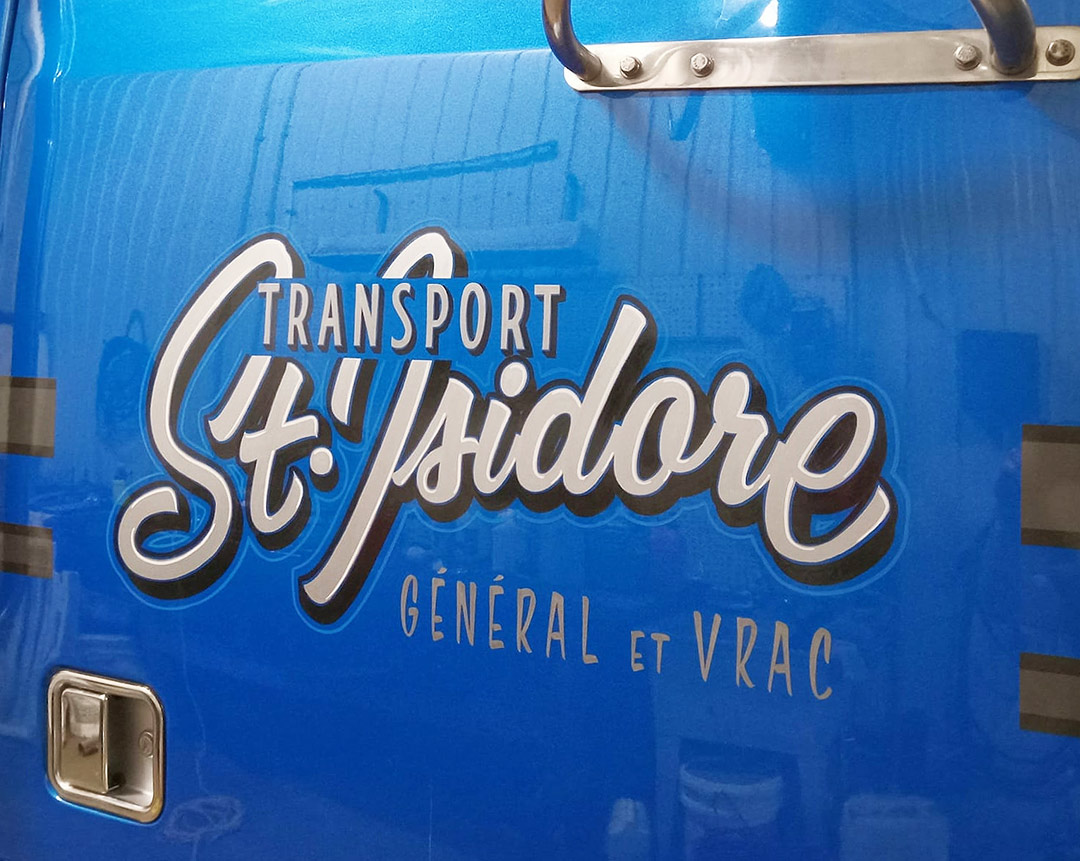
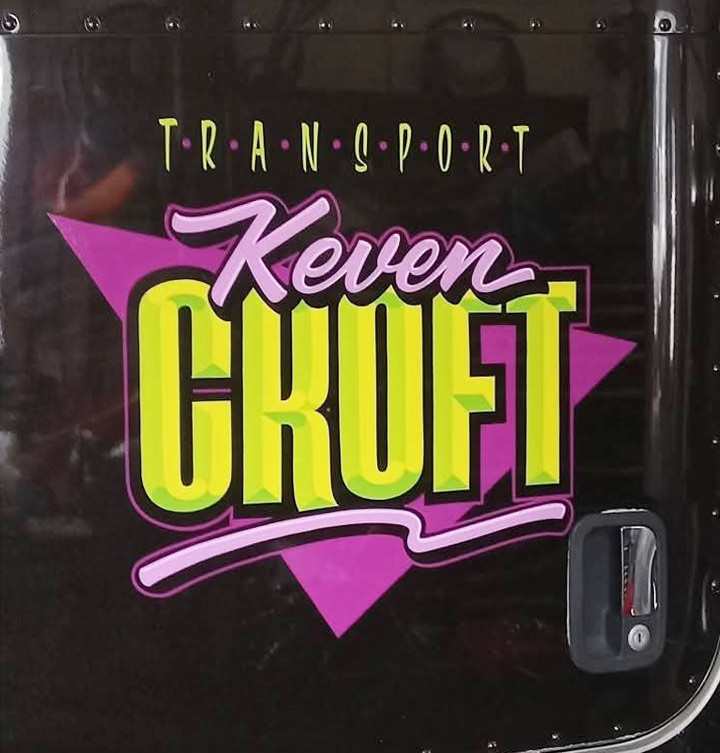
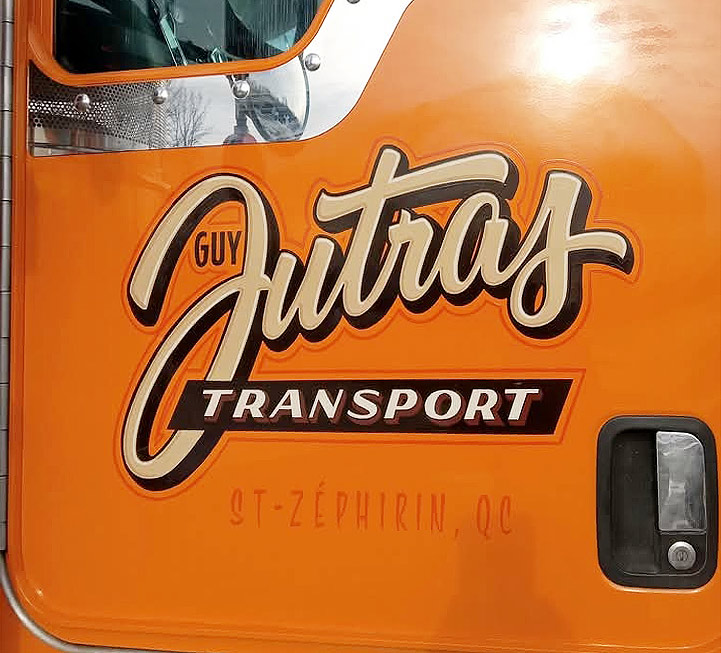
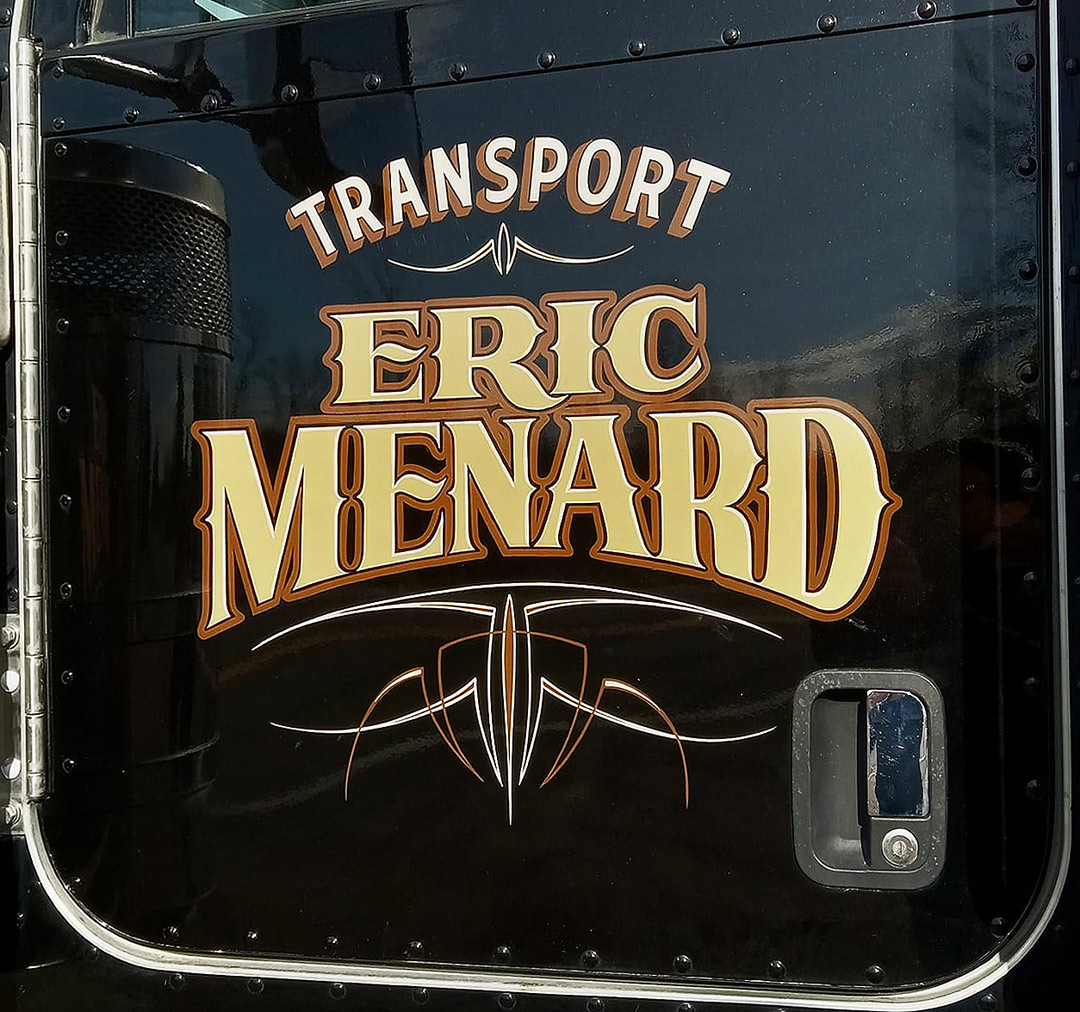
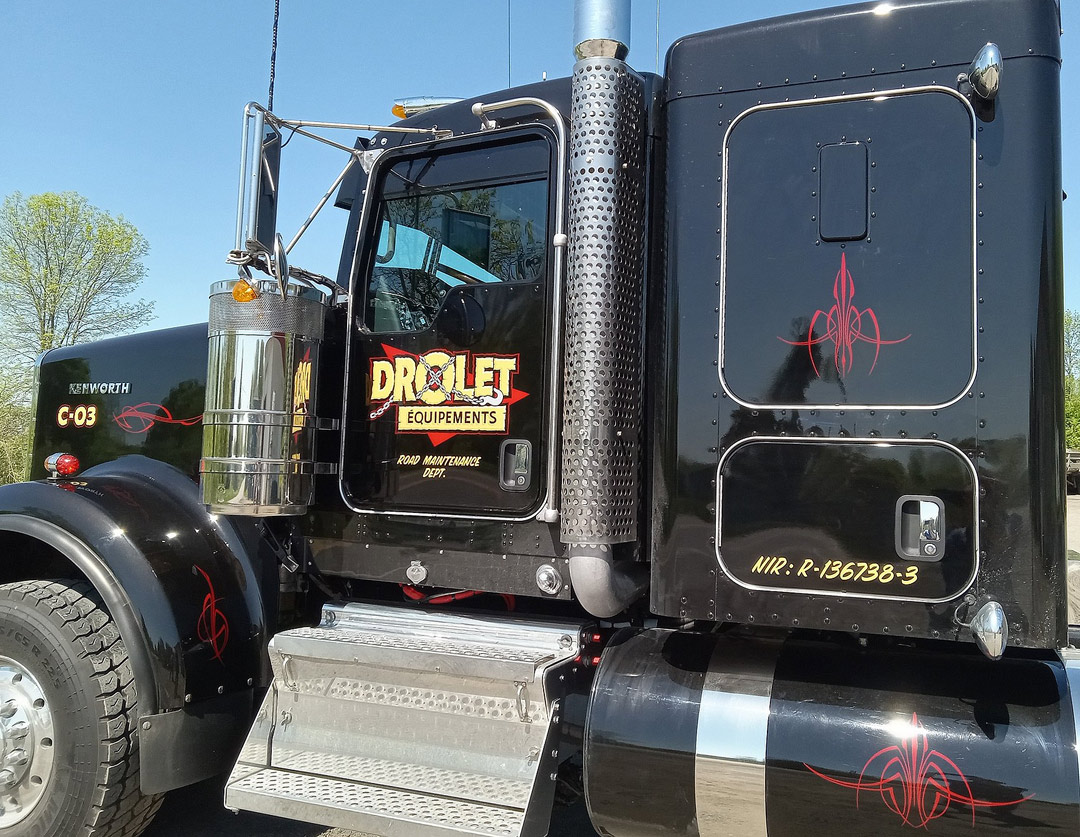
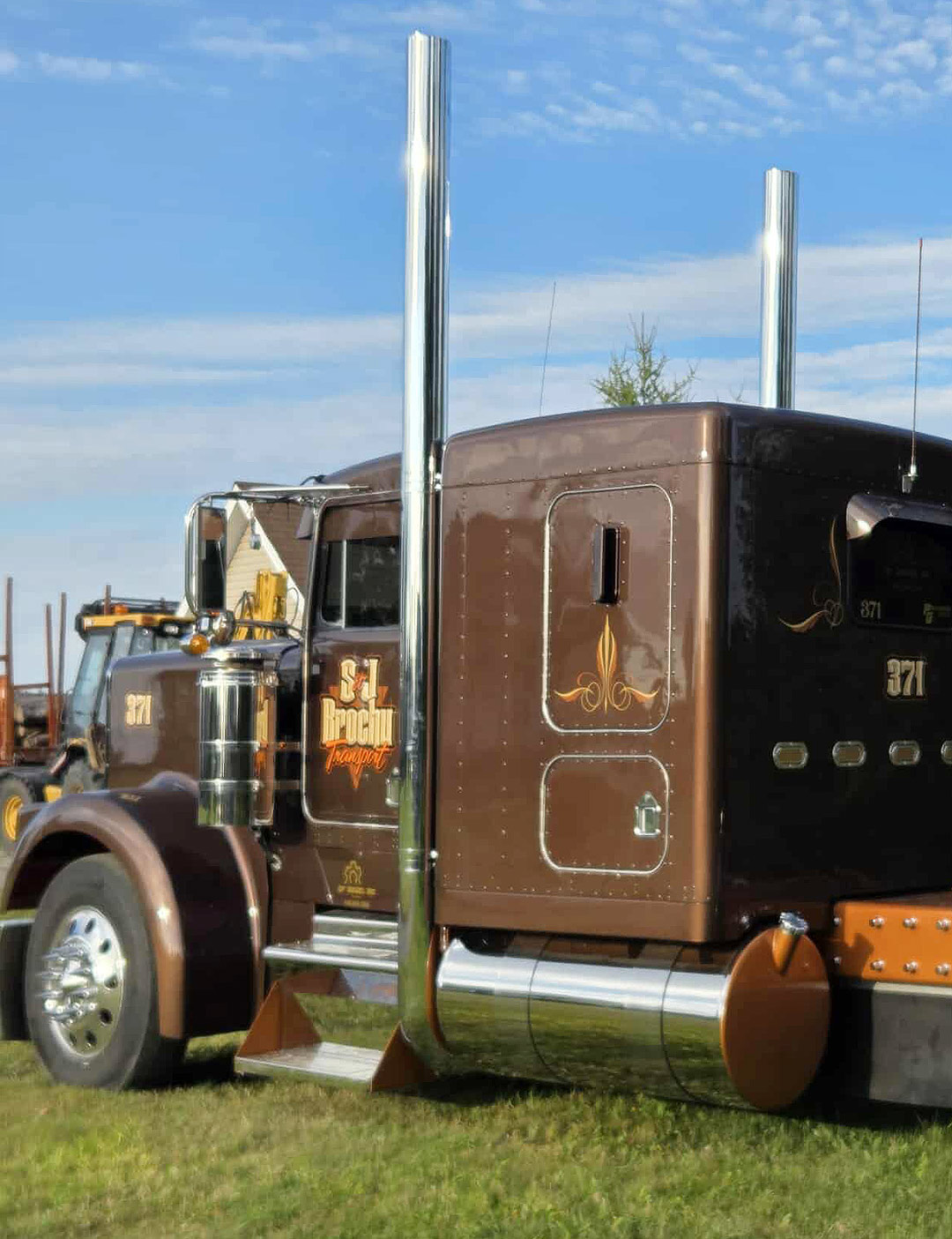
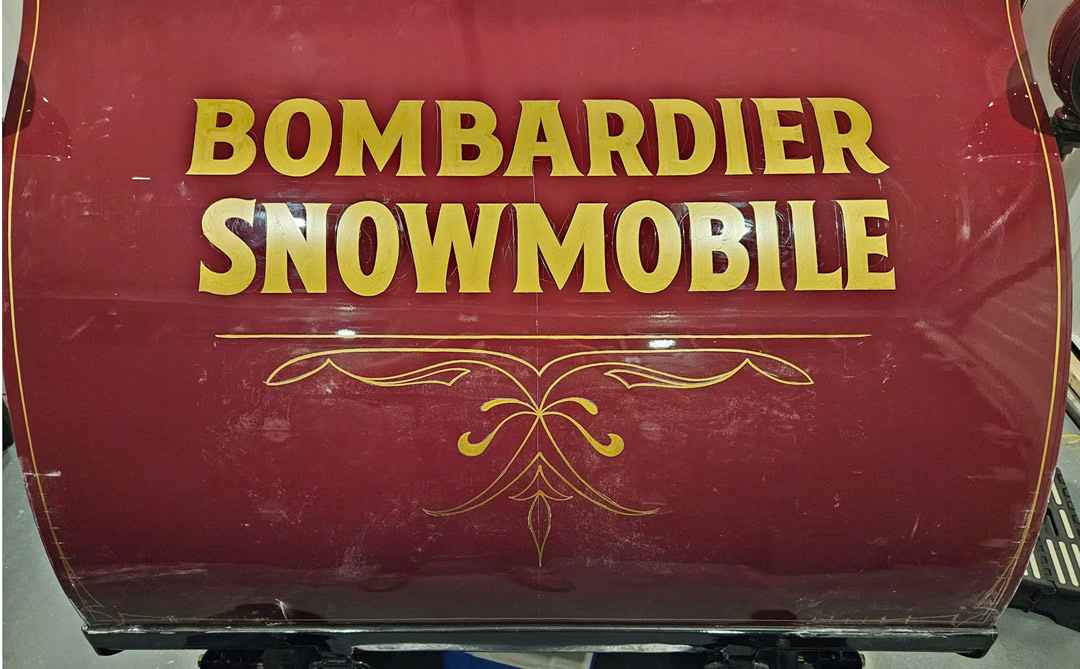
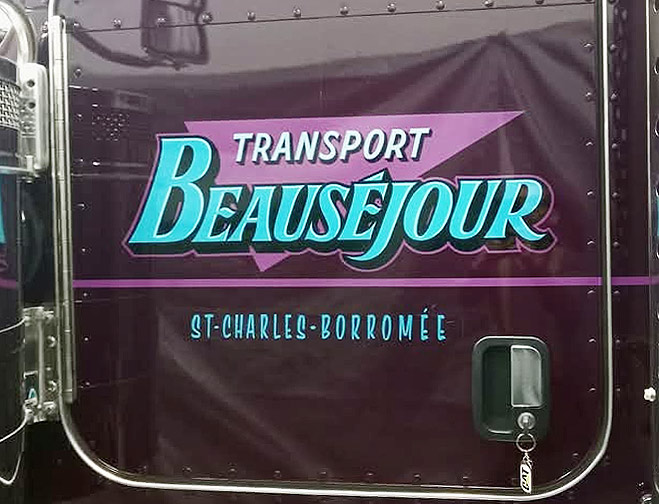
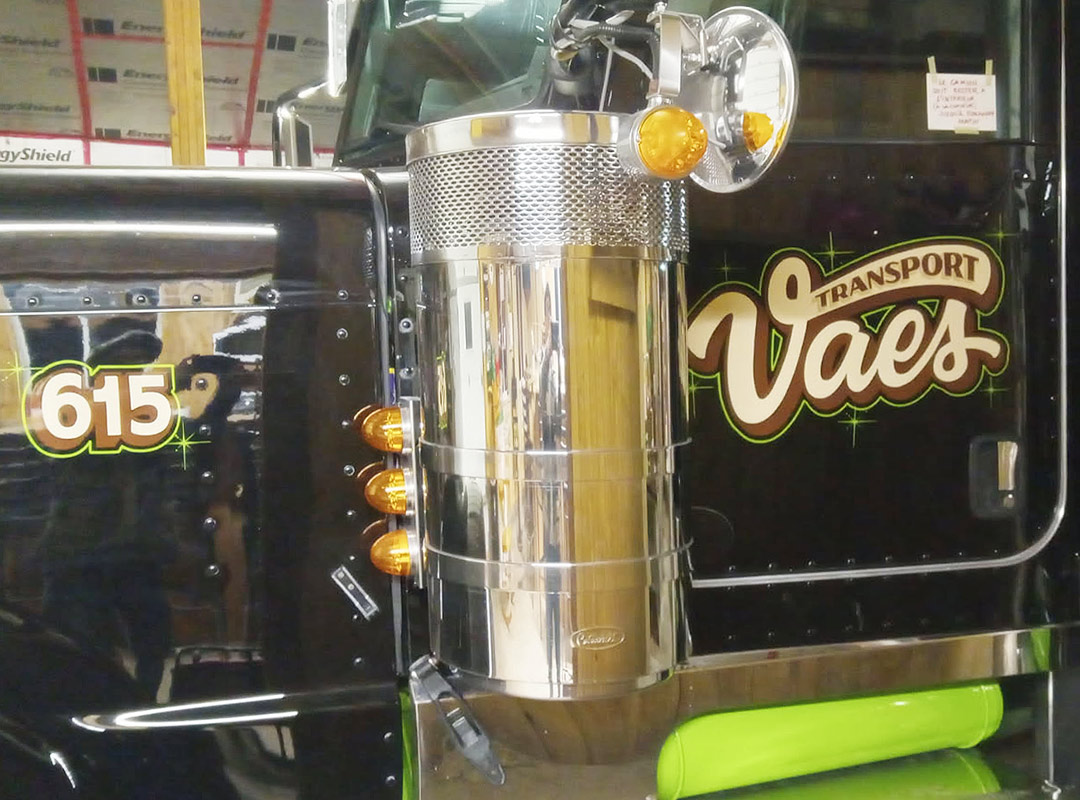
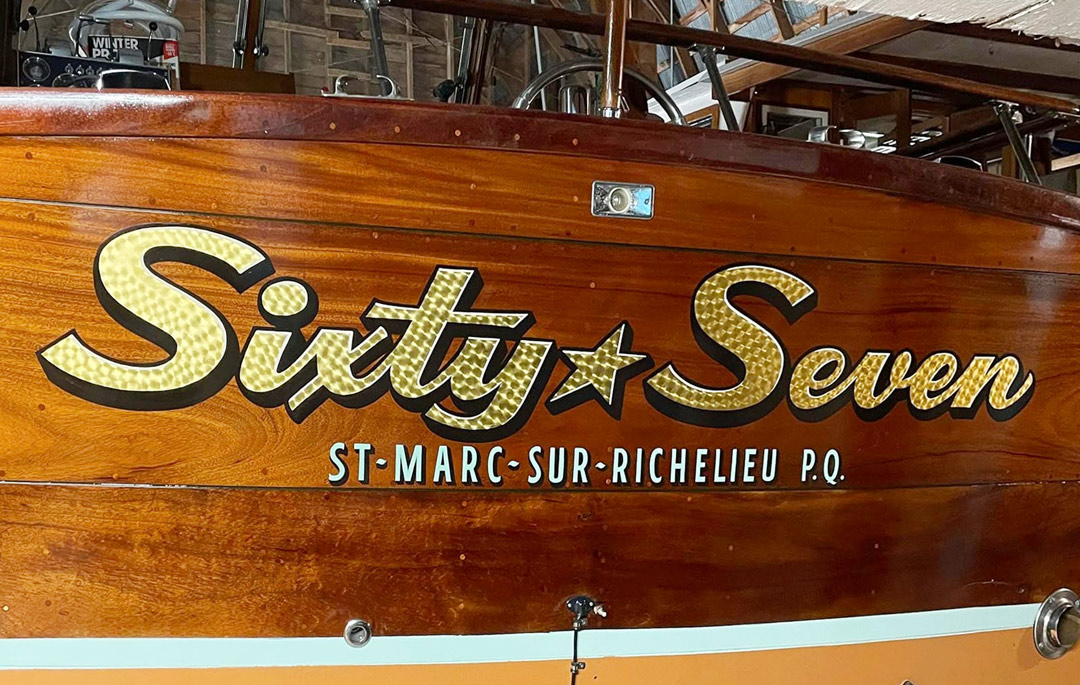
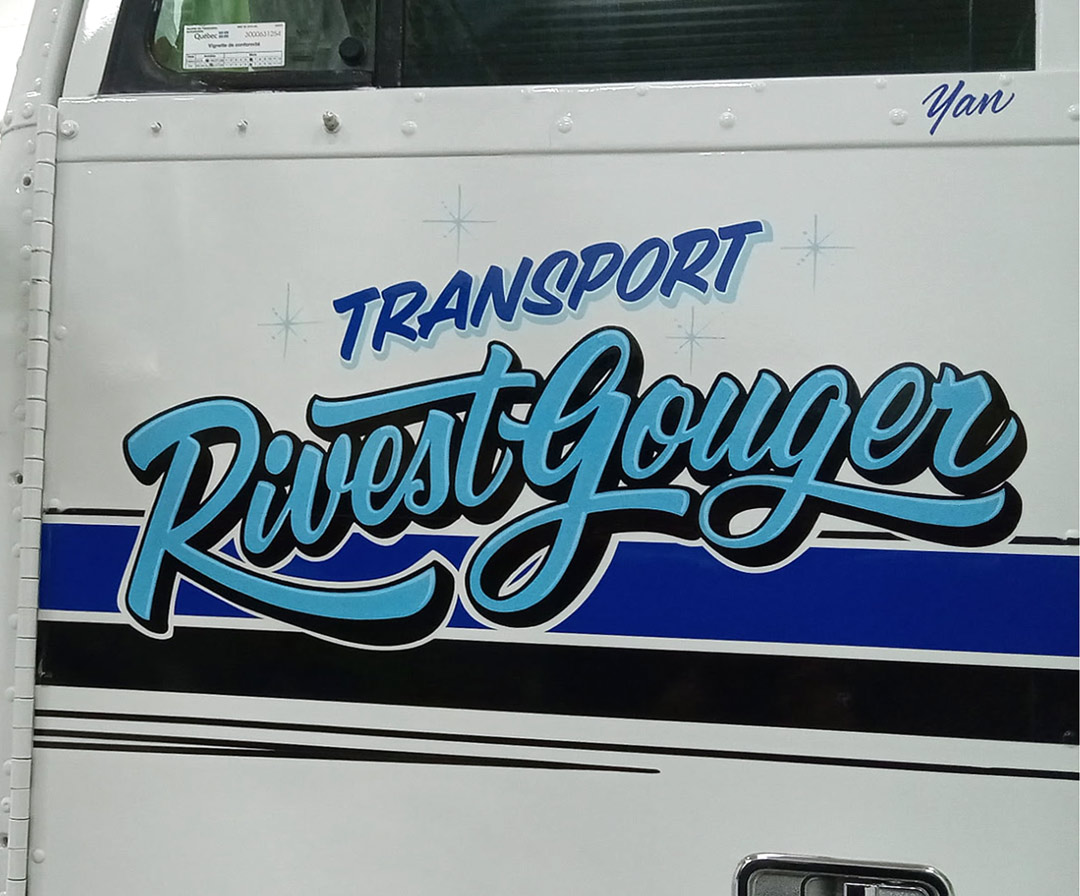
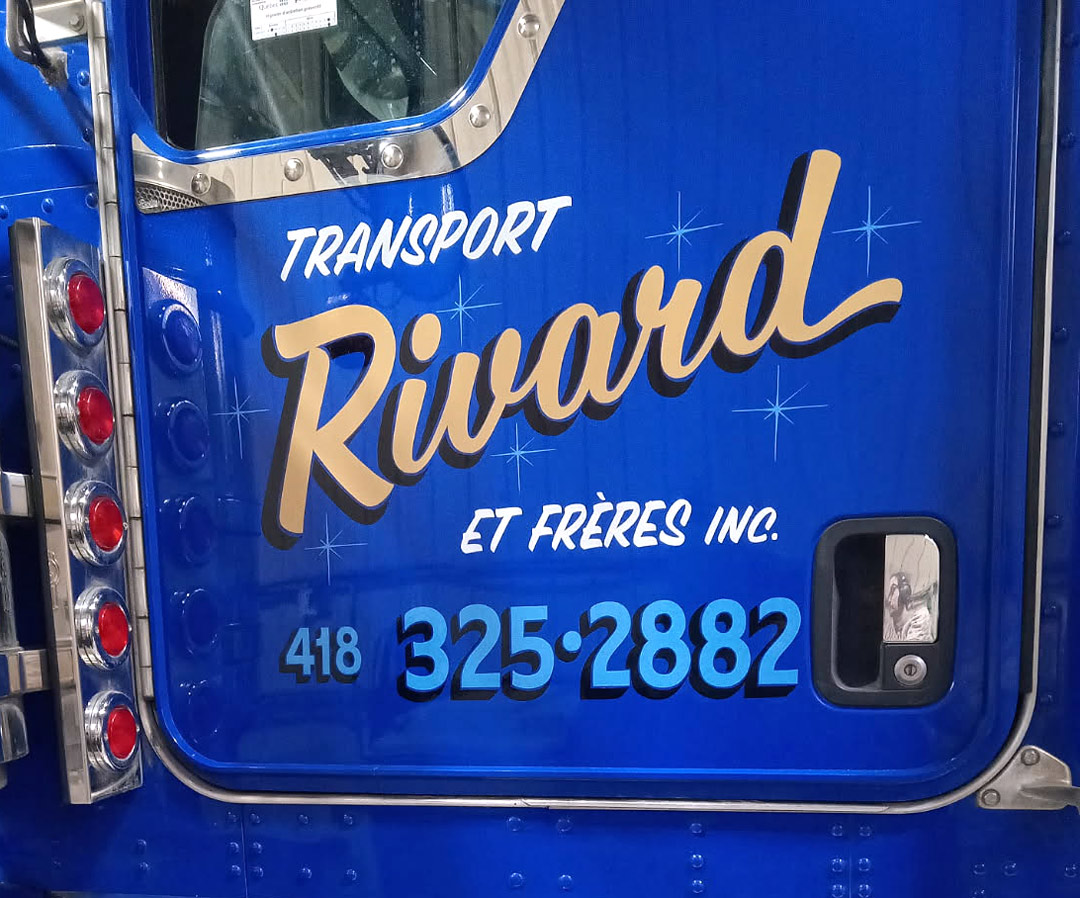
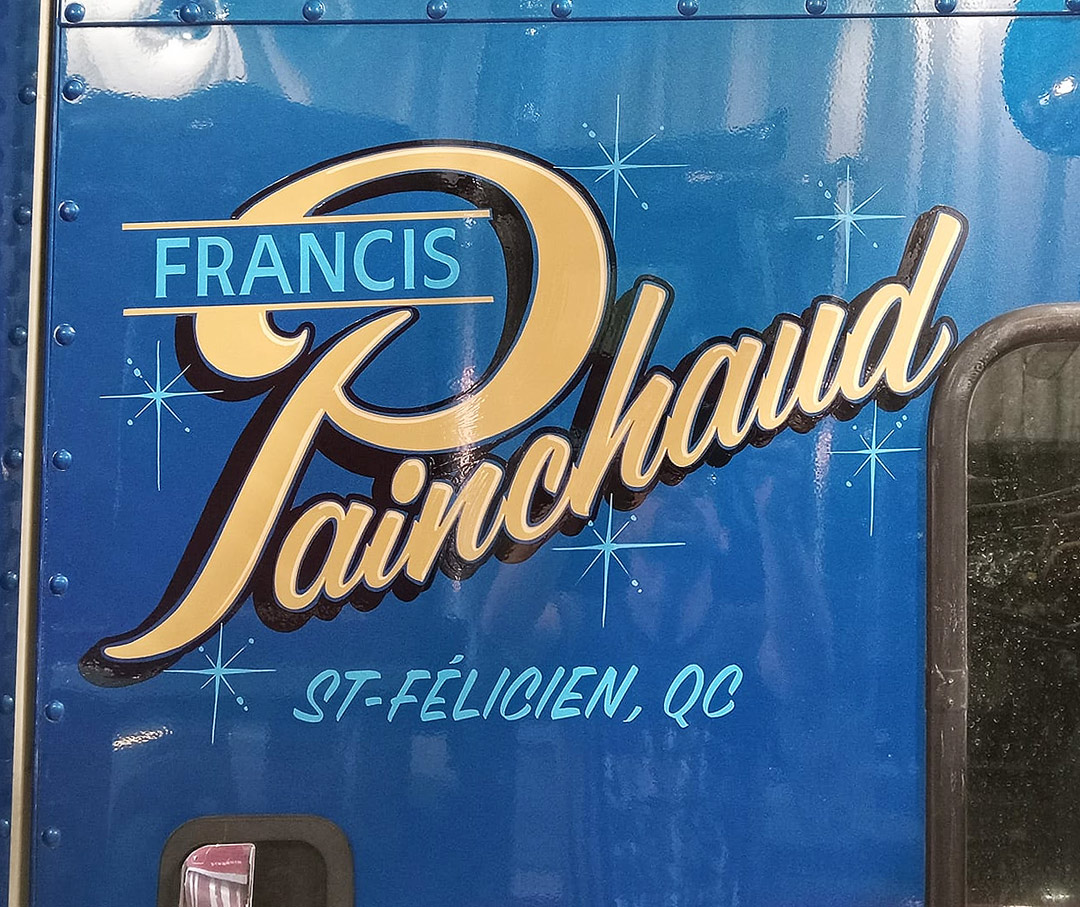
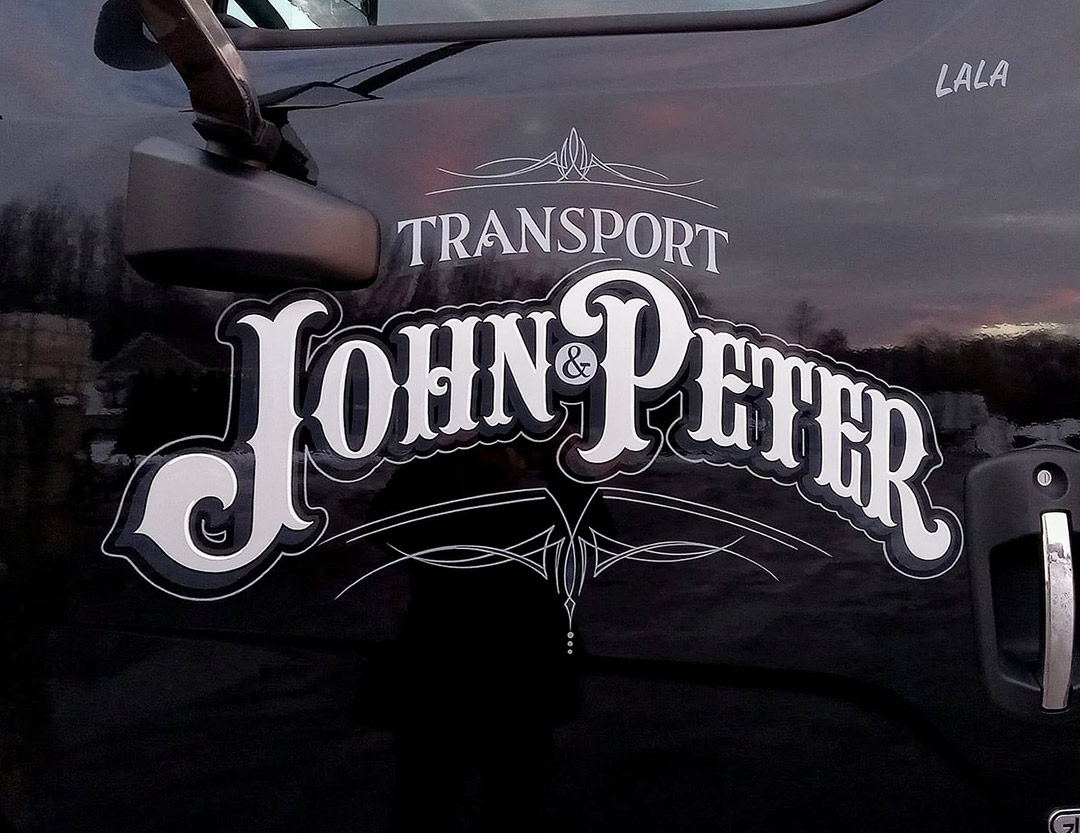
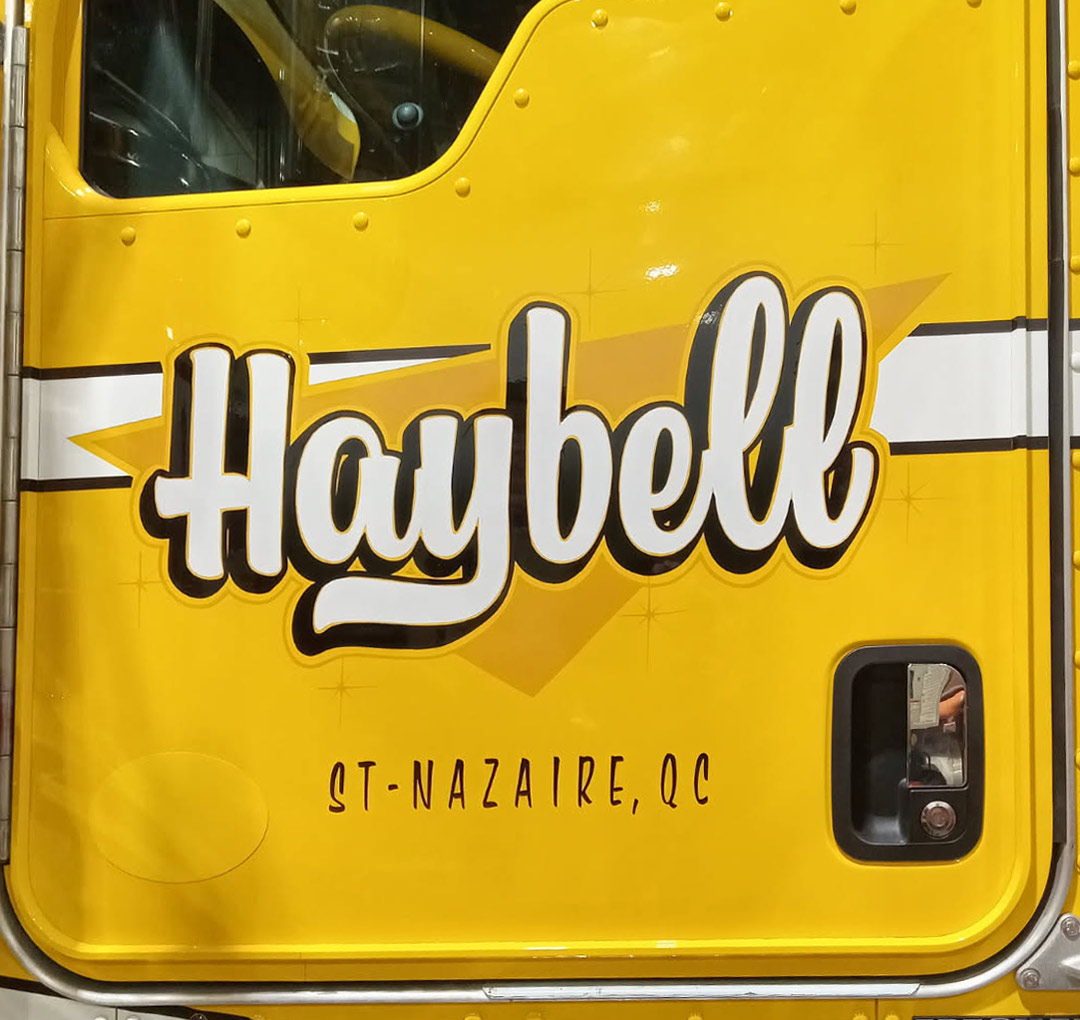
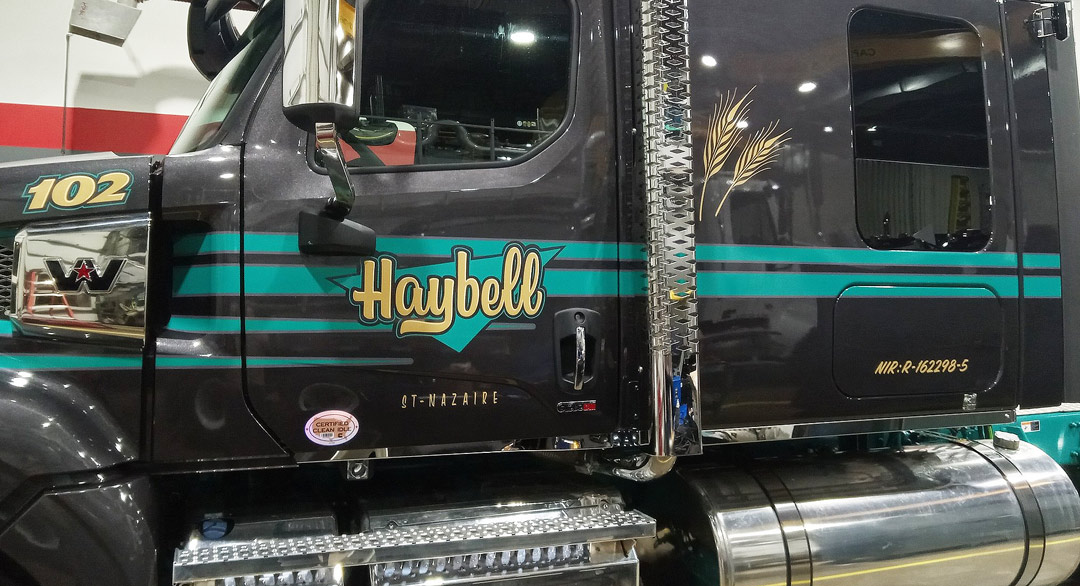
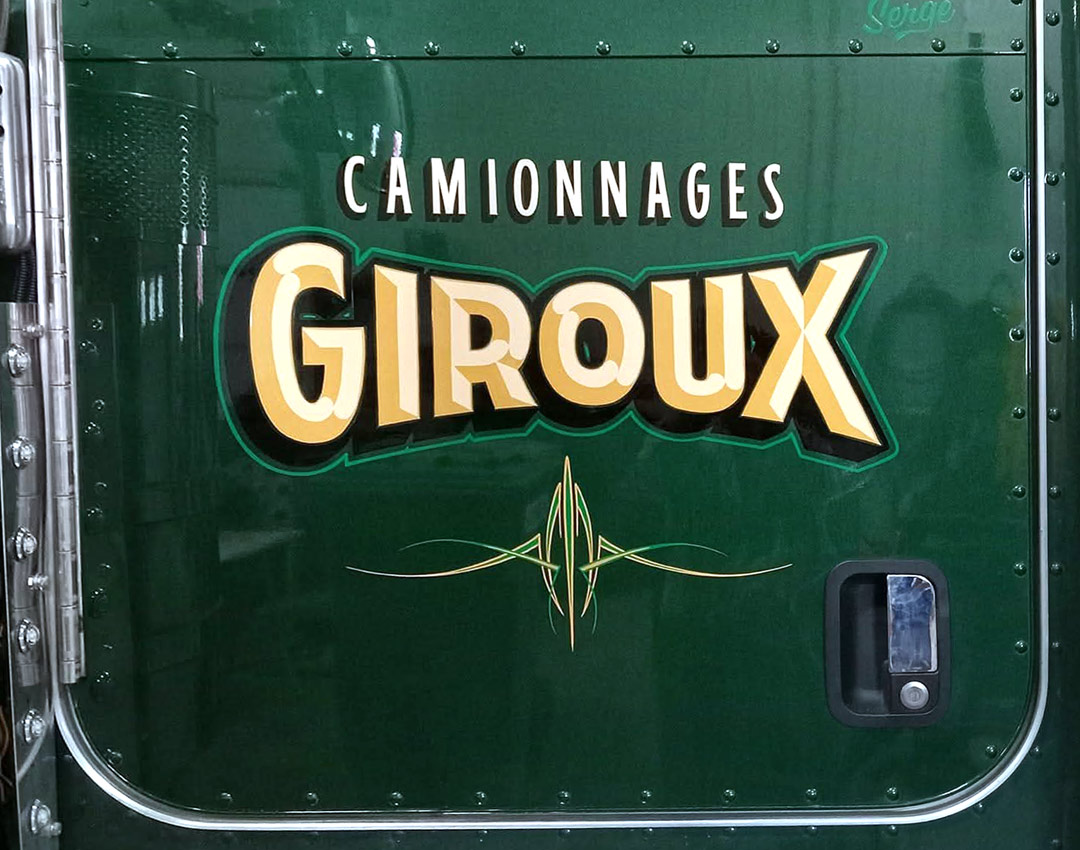
Seventeen years later, he’s still at it but with a new specialty: hand lettering trucks. That niche more or less found him as truckers found that he did traditional hand lettering and pinstriping. Doing a few big trucks led to more trucks and today he hand letters about 50 trucks per year. We’ll let him tell you more about his business today:
A truck a week: I would say 75% of my work now is lettering trucks. I schedule one a week most months but every once in a while I will do two in one week. I usually work wherever the truck is located, and the trucks are often a long drive from my place.
Most of them take 12 to 15 hours. I prefer to paint them in one long day rather than staying over to finish the next day. Yesterday I left to do a truck 7AM and got home a little after 2 in the morning. If the owner had added pinstriping, I would not have made it home until 6 in the morning.
Marketing and pricing: Up here, truckers talk to each other. Twenty years ago, Tramp Warner told me I was missing a big market in Quebec with truckers who wanted hand lettering. He said that Quebec’s truckers are crazier about their trucks than anywhere else.
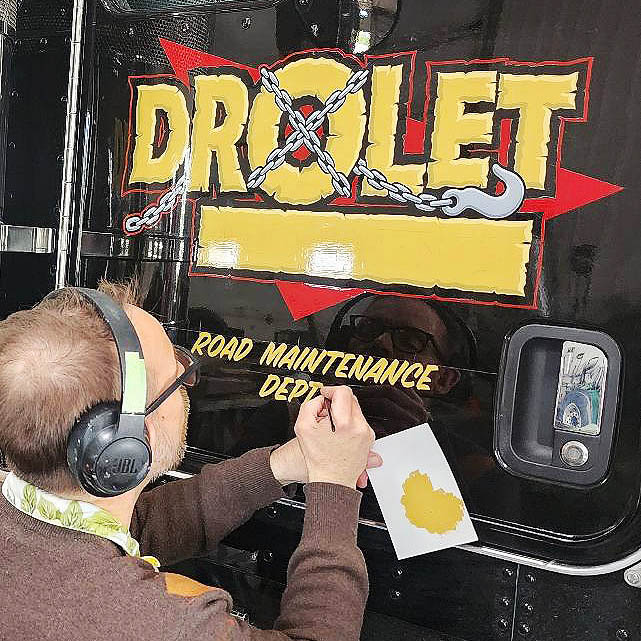 Eventually, I got a call to letter a truck, and then shortly after to letter another. I never really went after the market—it kind of found me. It helped that the first two trucks I did were truckers who were very well known by other truckers in the province and also had fleets of like 15 trucks. The work snowballed from there.
These truckers also buy a new truck for $300,000 [CDN], then they add $60,000 to $80,000 in options—just to make the truck look good. Today, trucks have an exhaust system like any other vehicle so those big chrome exhaust pipes sticking up on the back of the cab are fake. But truckers like the look and they spend $9,000 for them. So when you talk to them about $2,000 or $3,000 for lettering, it doesn’t seem like much.
Red truck, black truck: I like painting trucks, but I miss the variety of doing windows and storefronts and banners. Trucks are fun and profitable, but the format is always the same. And 70% of the trucks I do are red or black. It’s become a running gag. Every time a new customer calls me I ask, “Is your truck red or black?” Often they start laughing.
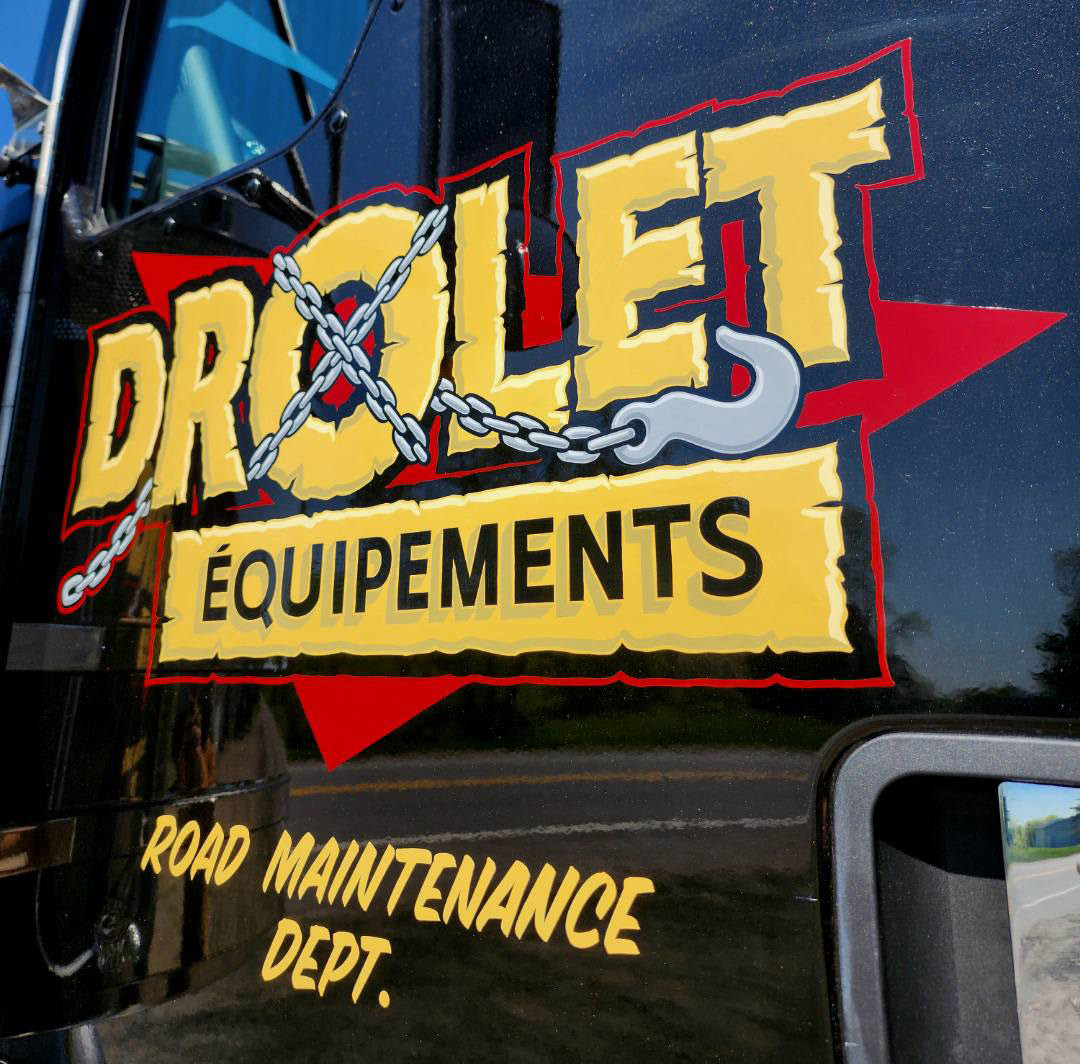
With trucks you have to work around what it gives you—the colors, any existing stripes, the brackets and panels. Sometimes the customer gives you all sorts of requirements and restrictions. But I can usually work around all that and give them something very readable.
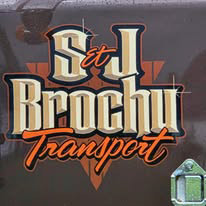 Some customers ask if I could put their logo on the door but I explain that I don’t reproduce logos. I would do my version of their logo, but I do custom hand-painted signs.
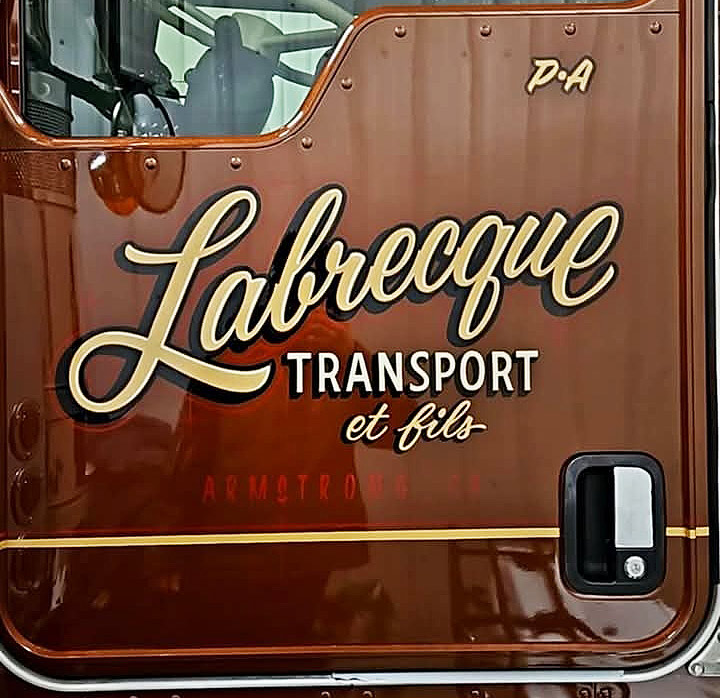
Of course, once in a while you get a customer who just lets you do your best without much restriction. One of my good customers restored an old Freightliner and asked me to choose the color that he should paint it—along with designing the stripes and the lettering. It was from the ’70s, so I told him orange, brown and tan. I designed the striping to work with the lettering. I looked through a lot of magazines from the ’70s to see the styles they used back then.
The power of a pricelist: One of the smartest things that I have done in the business is to put together a pricelist for my work. It makes pricing so much easier, and the customer also understands it. I listed all the possible parts of a truck job: lettering on two doors, phone number, website, unit number, permit numbers. I listed all the pinstriping locations separately. I made a column for each type of complexity: Basic, Intermediate and Deluxe. I list a 10% discount for a second truck, and three or more are each 15% off.
One of the reasons that I did this was that when you are in front of the customer, you always feel like you are overcharging—even if the customer is driving an $80,000 pickup truck. The pricelist keeps you from giving your work away.
A passion for painting: When I was young, I loved to go to the stock car races, especially to walk around the cars in the pits. I was amazed by the lettering and the numbers, the stripes and the colors. I drew cars and tried to paint letters. When I was 15 or so, my high school art teacher encouraged me to paint my first commercial sign. I was hooked.
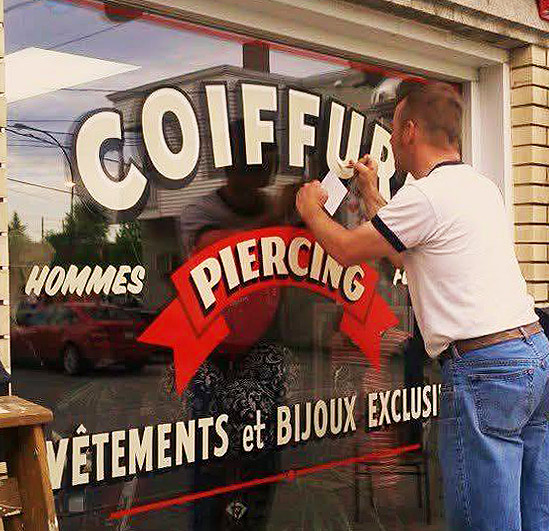 I think that painting signs or doing any type of work is more a passion than a talent. Something happens that makes you want to do something well, then that becomes a passion. You think about it, learn about it and you practice it a lot.
When someone says “I wish I had your talent…” I feel like they are overlooking the hours and hours that I spent alone in the basement practicing my lettering and learning to handle a brush. A talent implies that it’s something that comes easily to you. Like you were born with this skill, and one day you just started doing it. That’s not really true.
I’m having a good time. I like painting trucks and signs. If you’re in good health, and you are doing what you want to do in life, you are lucky. Yesterday, at 10 or 11 at night while I was alone in the garage, pushing the brush, I thought, “I’ve been doing this for over 30 years, and I still love it….”