By signcraft
Posted on Monday, June 8th, 2026

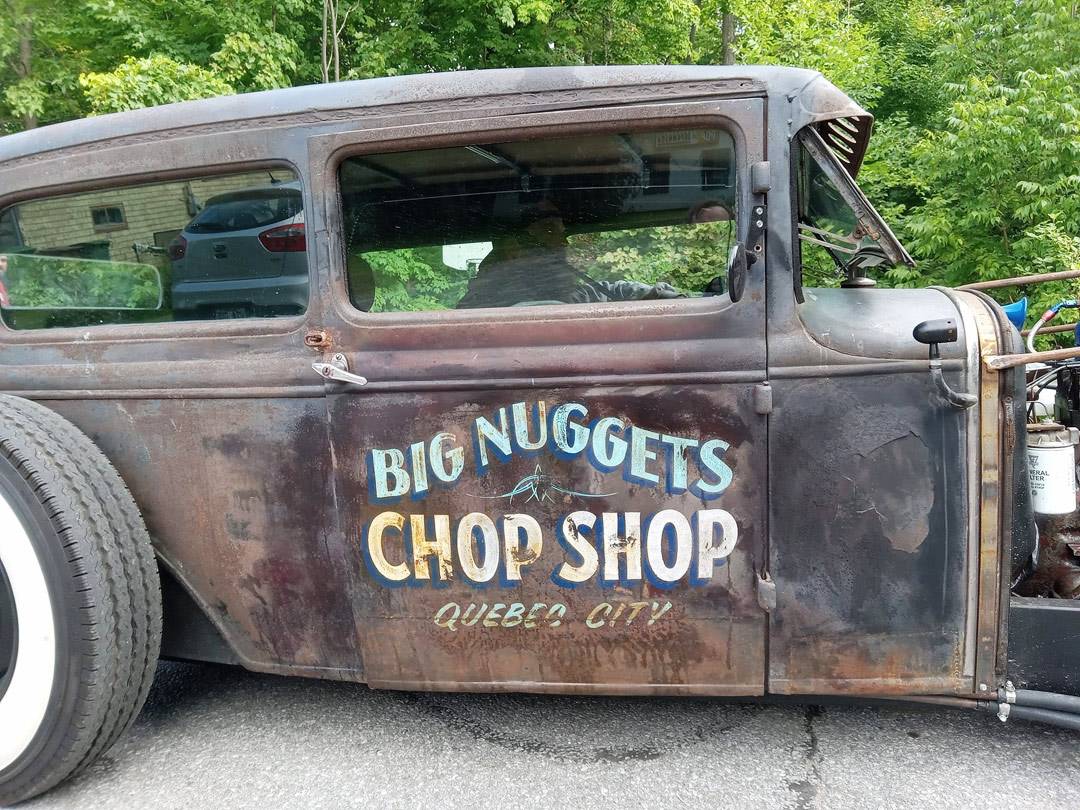
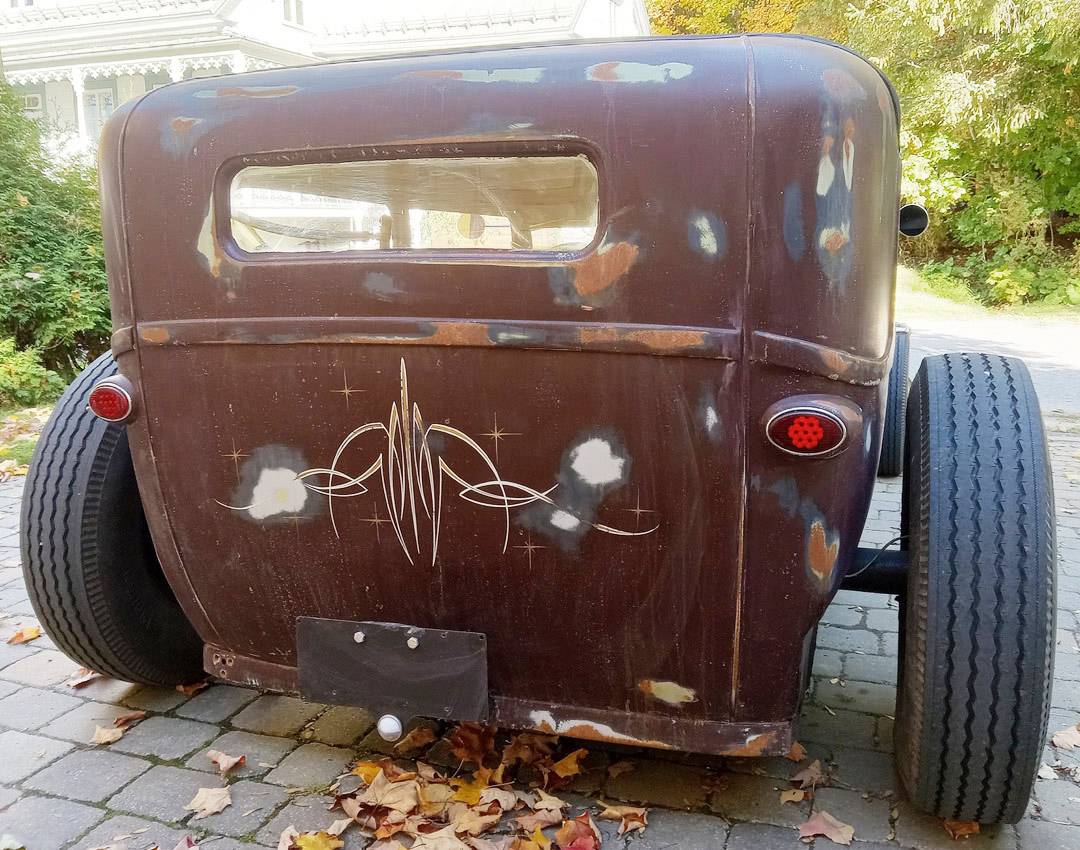
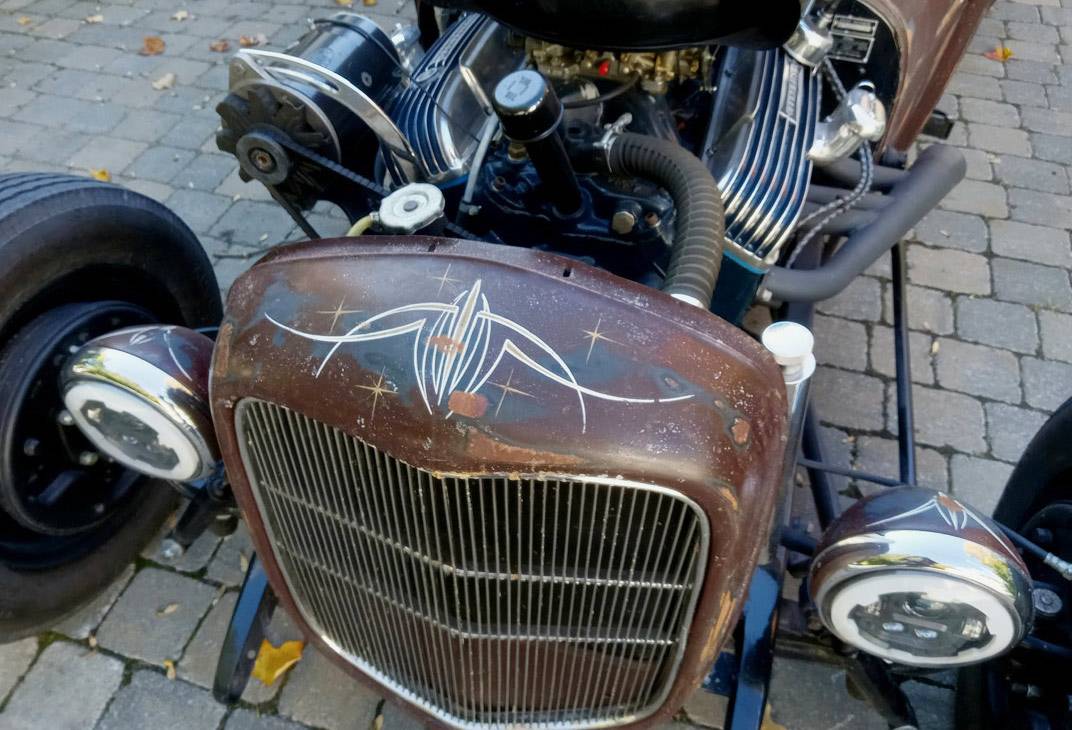
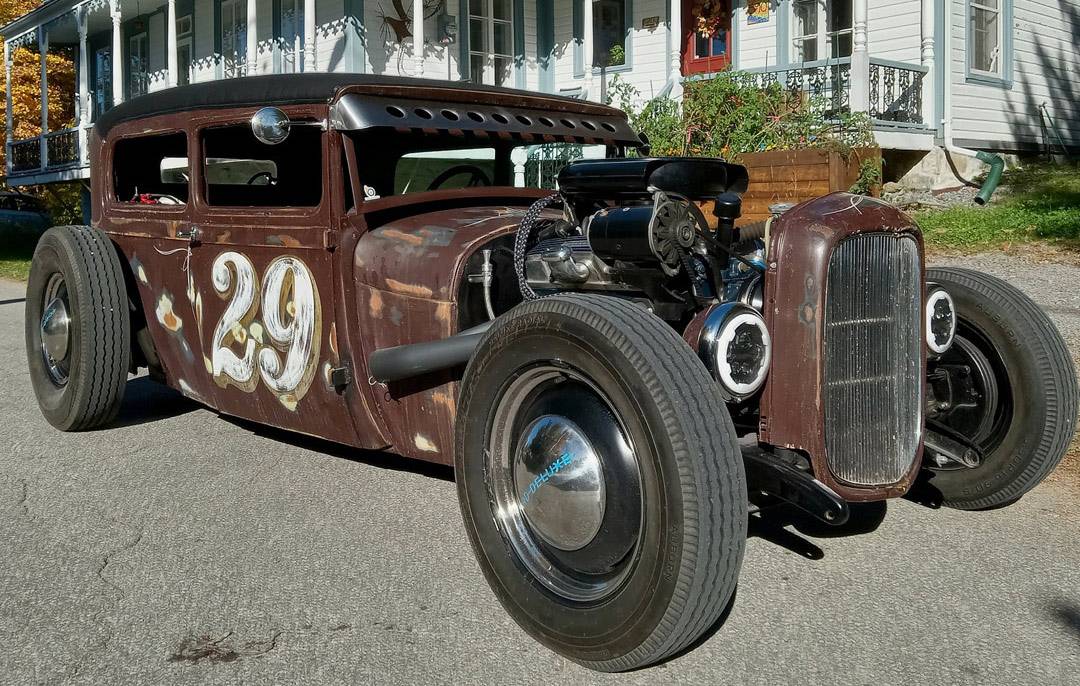
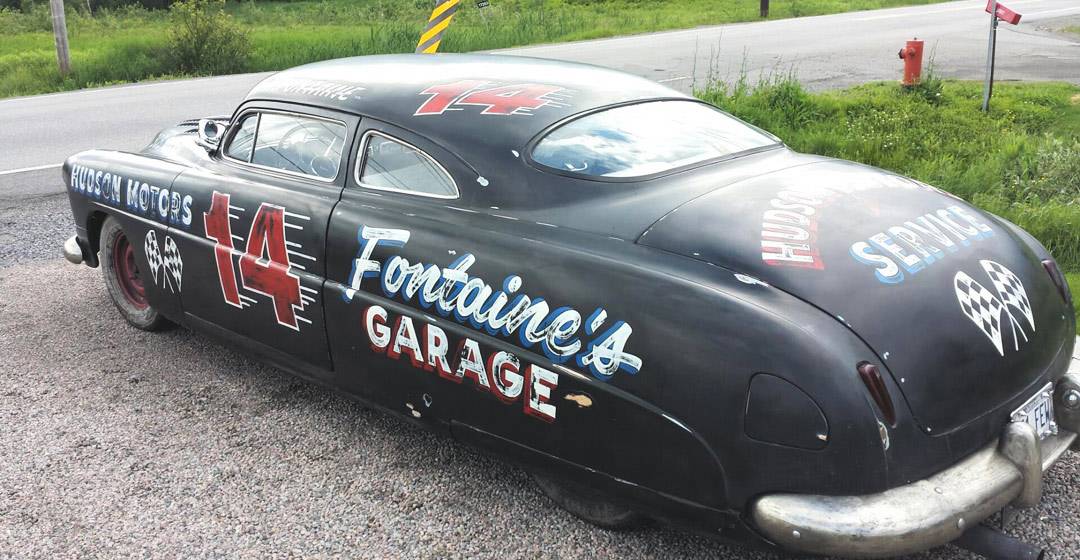
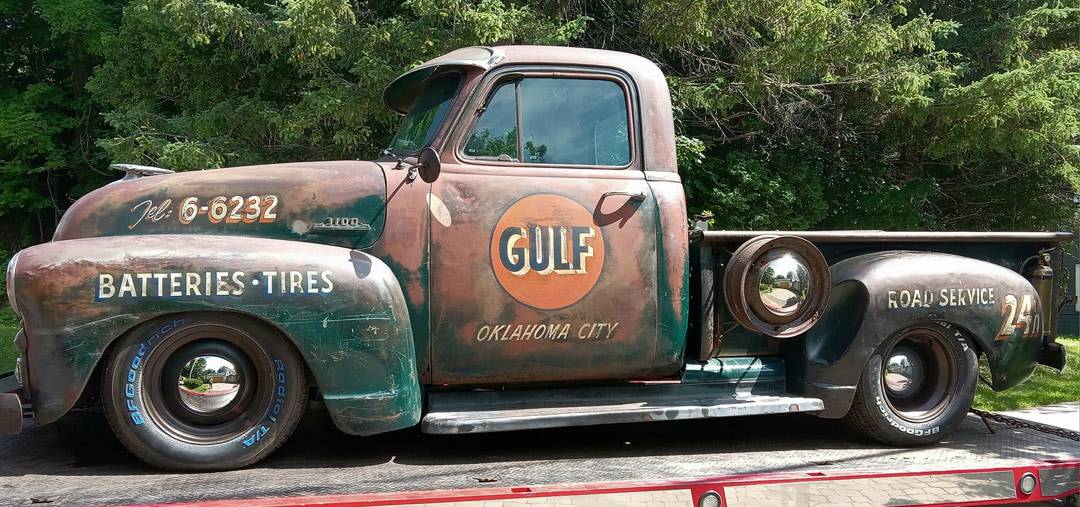
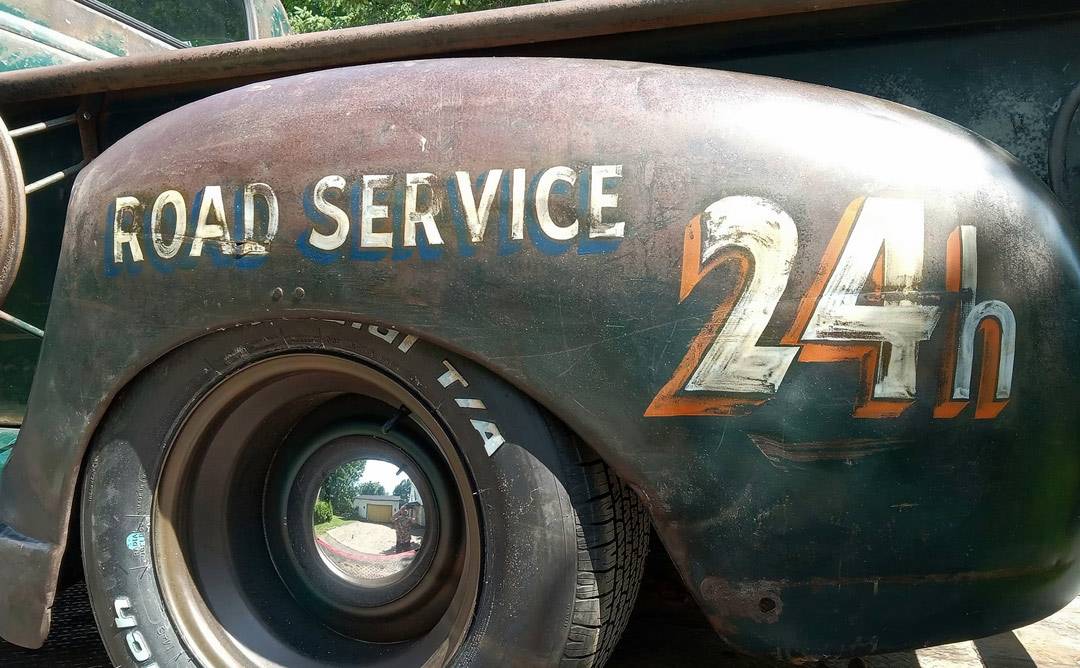
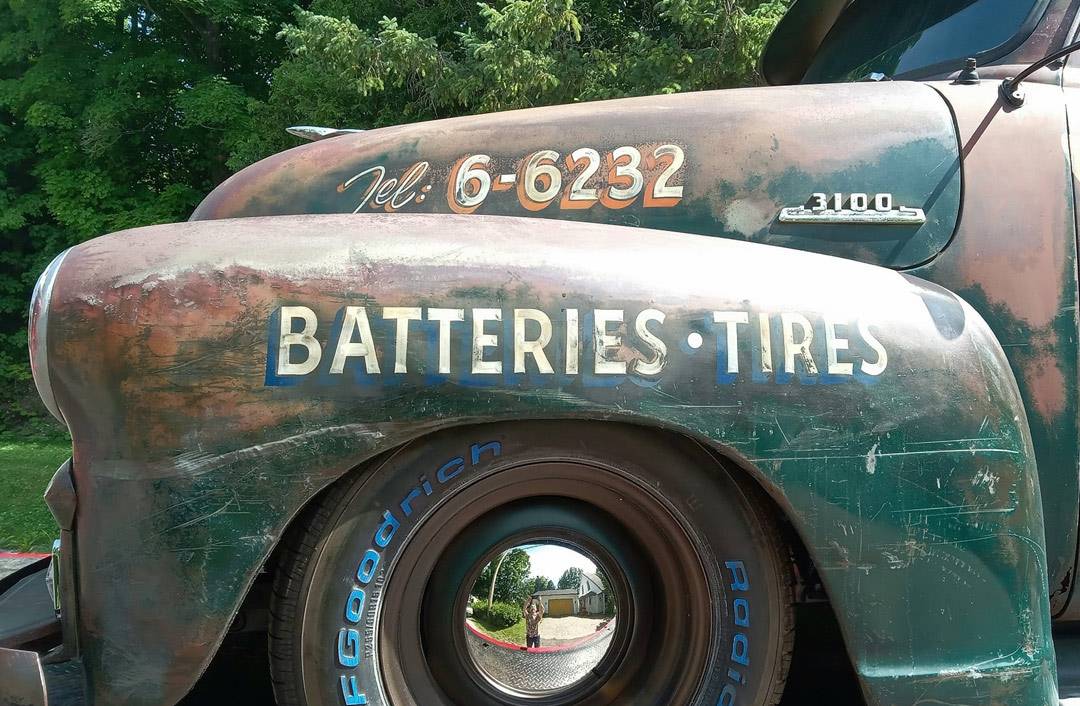
Not every classic vehicle gets restored to look just the way it did the day it rolled off the showroom floor. Over the past several years, it’s become popular to “restore” them to how they might have looked after 30, 50 or even 70 years of use.
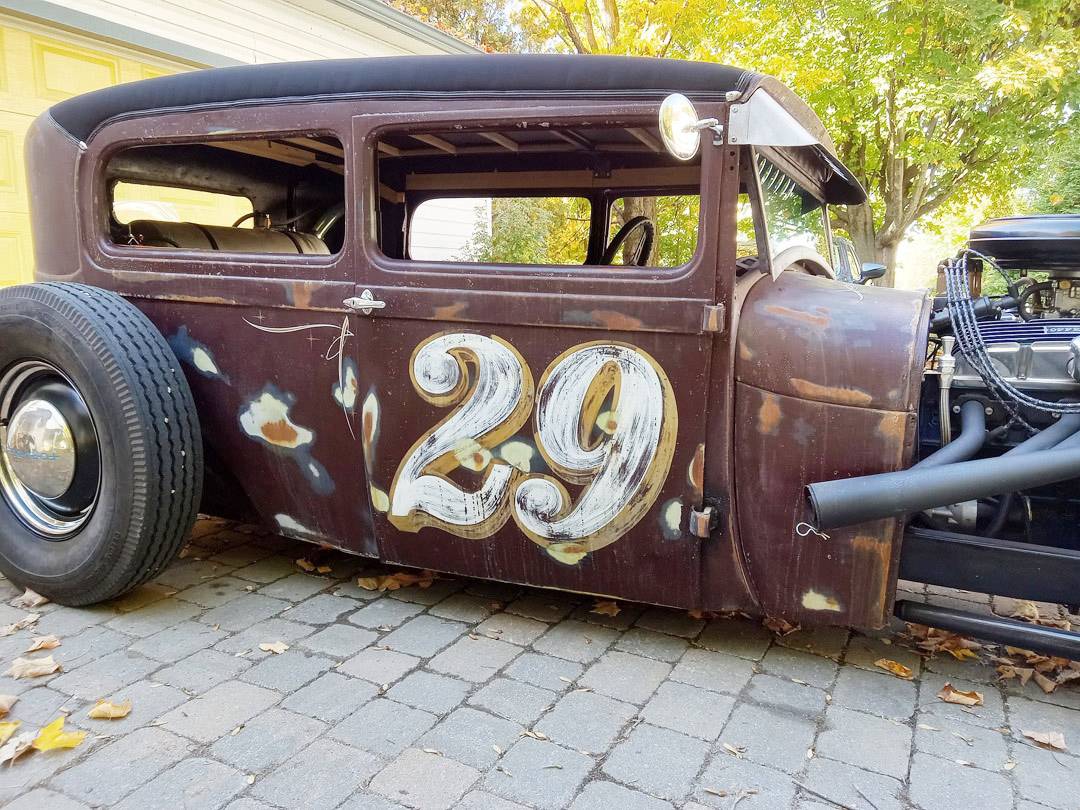
Vintage vehicles of this type fall into two groups. The first are close to the way they were found by the new owner. Mechanical upgrades and necessary repairs are made, but the weathered, worn paint is left as-is. The second group are vehicles that get “faux aging”—faking the look of years of wear-and-tear to the body and paint.
A hand-lettered practical joke
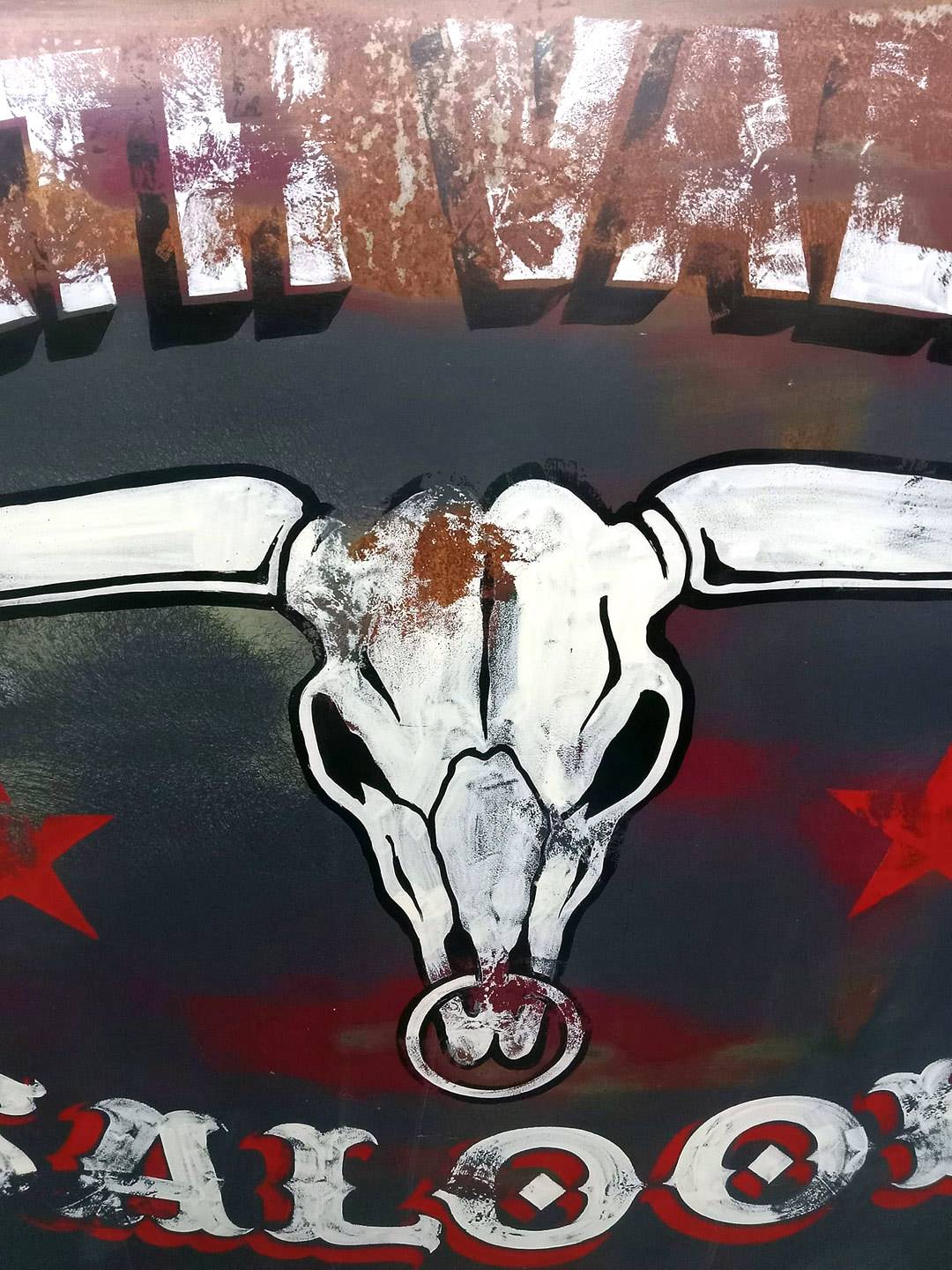
Well-known standup comedian, Michel Barrette, owns dozens of vintage vehicles and is a regular customer of Pierre’s. He dropped a pickup off to be lettered while Pierre was out on a lettering job. Pierre told him to leave the copy and the keys and he would take care of it. “He left me this quick drawing of ‘Death Valley Saloon’ copy,” says Pierre. “For years I’ve wanted to trick one of my customers when they gave me some rough drawing of what they wanted on their sign. I never had time to do that, because they needed the sign. But now the truck was in my garage and I had the time to do it.
“He was the perfect customer. I projected his layout on one door and lettered it exactly like his drawing. A couple days later I sent him a message with this photo, saying, ‘Your truck is ready just the way you told me to do it. You can pick it up.’
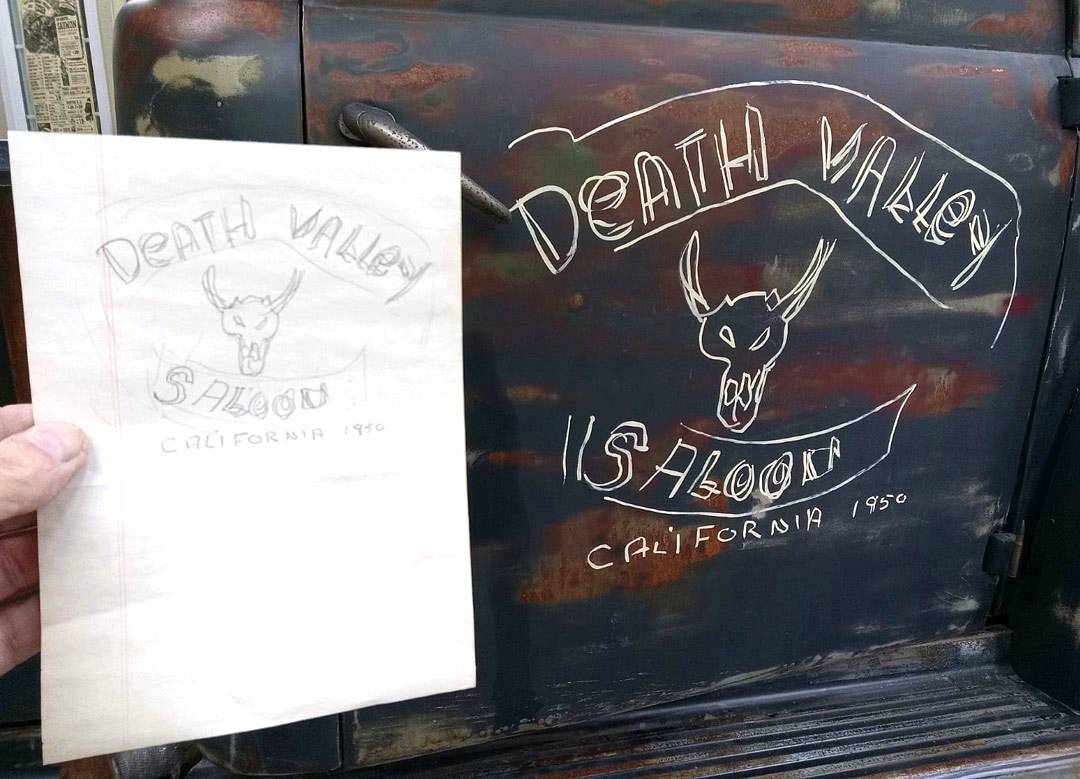
“Two seconds later the phone rang. ‘Pierre! Are you serious?’ he asked. ‘Of course,’ I said in my best deadpan voice. ‘I did it just the way you asked me to.’
“I am pretty good at deadpanning, and I often do it with customers to get a laugh. He began to sound very frustrated. ‘Pierre—you can’t be serious! I didn’t want you to do it that way! It was just what I wanted on the door…”
“I played along for about a minute before I started laughing. We both had a good laugh.”
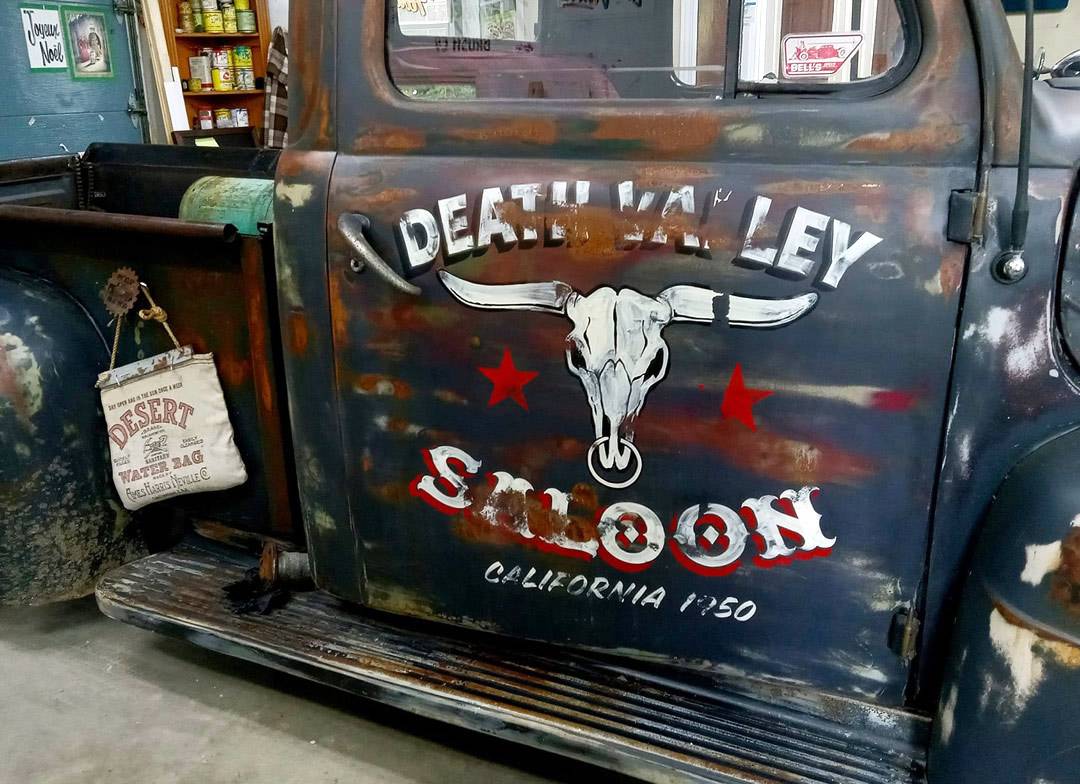
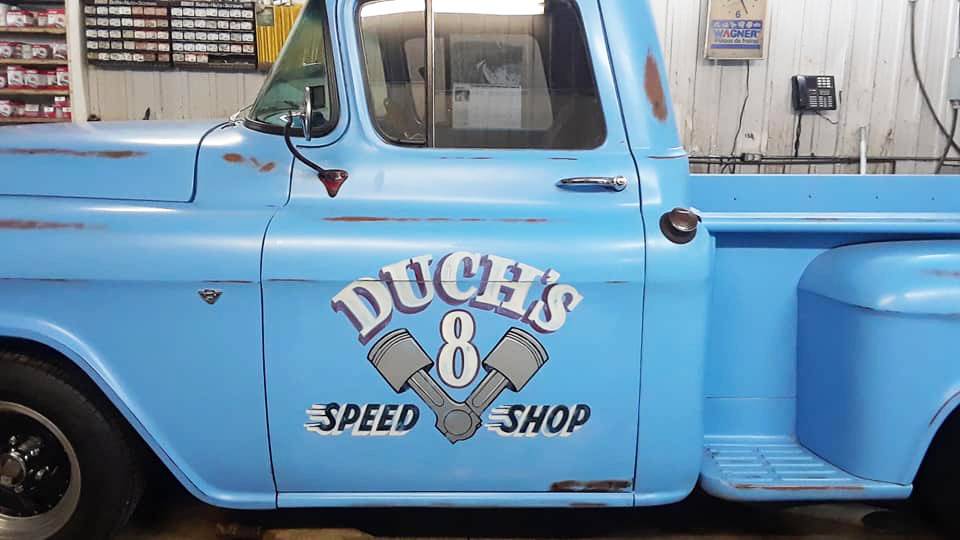
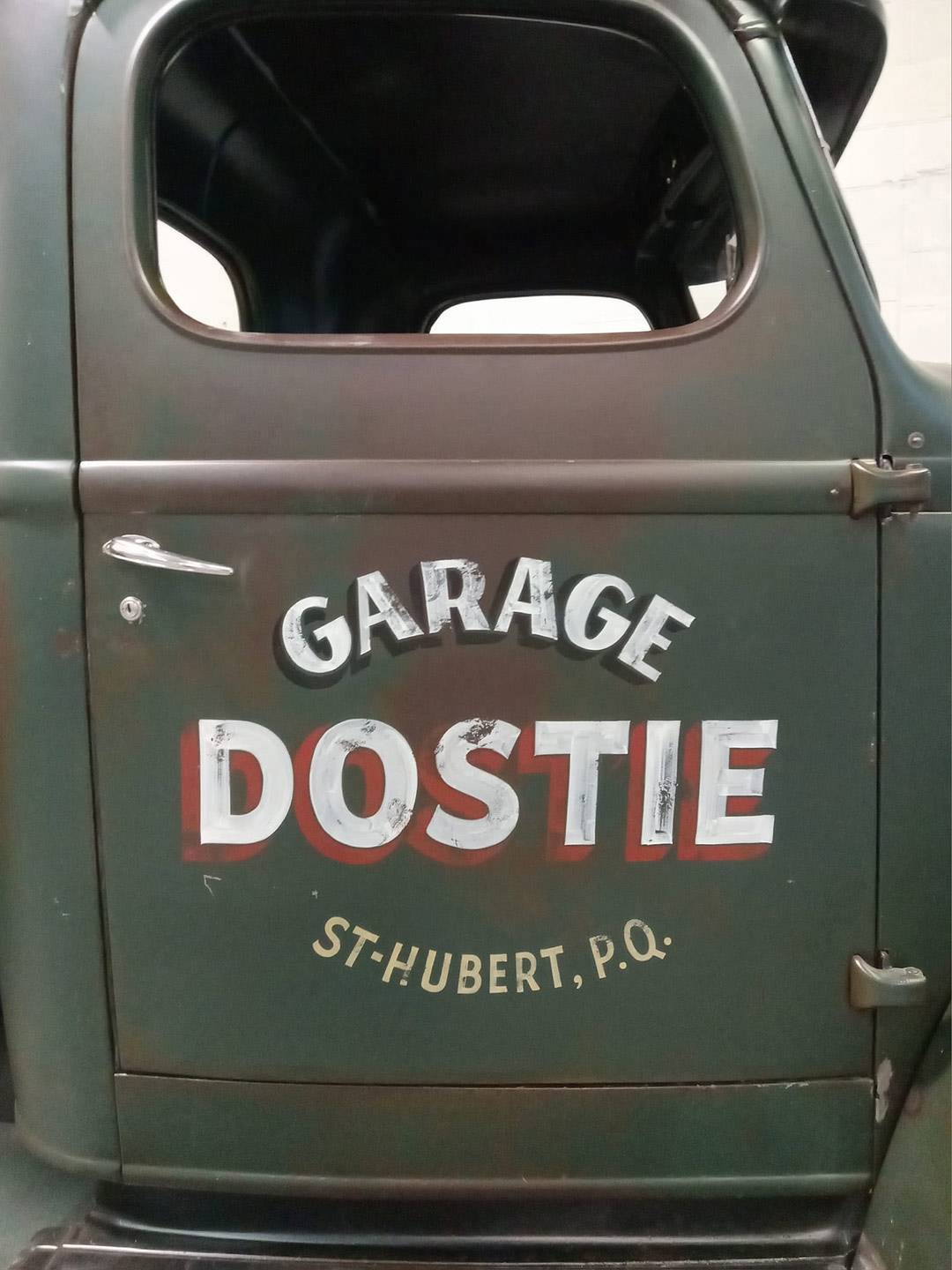
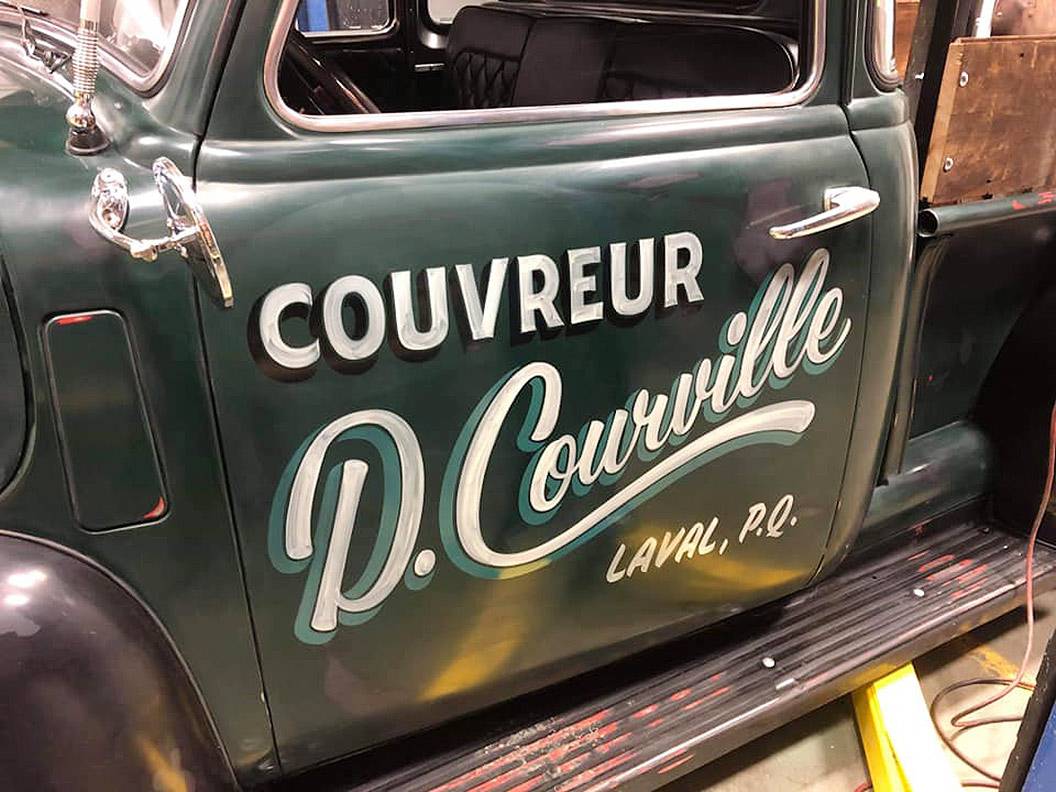
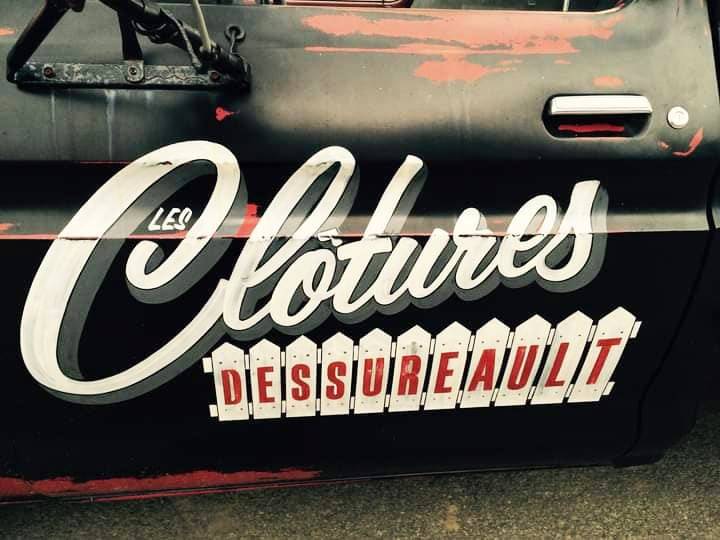
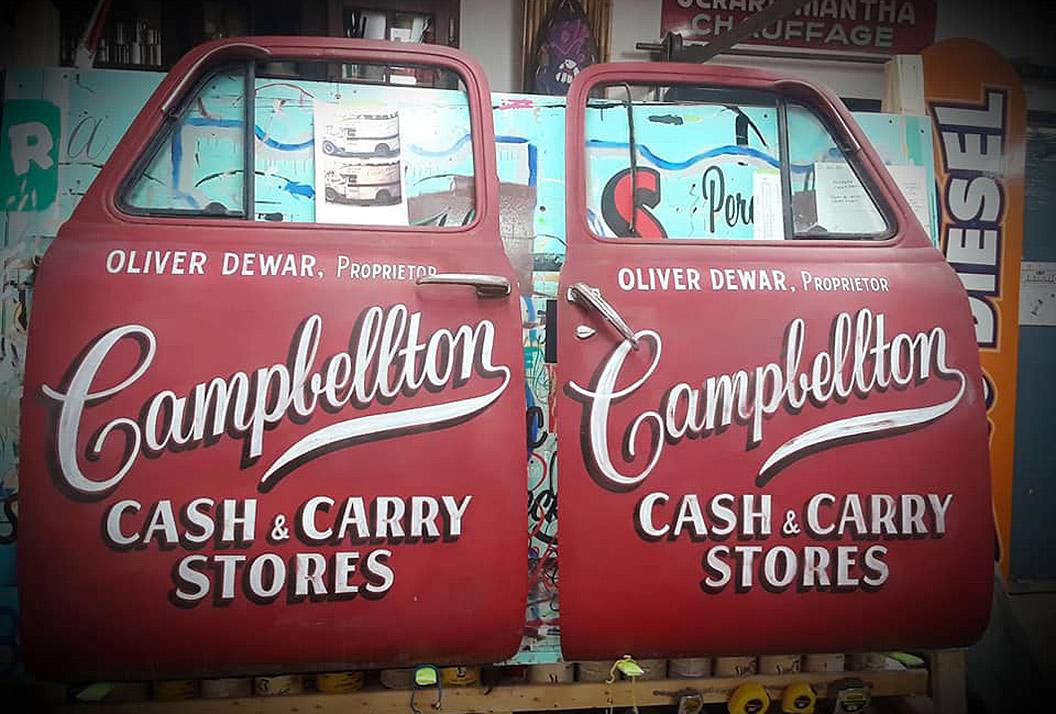
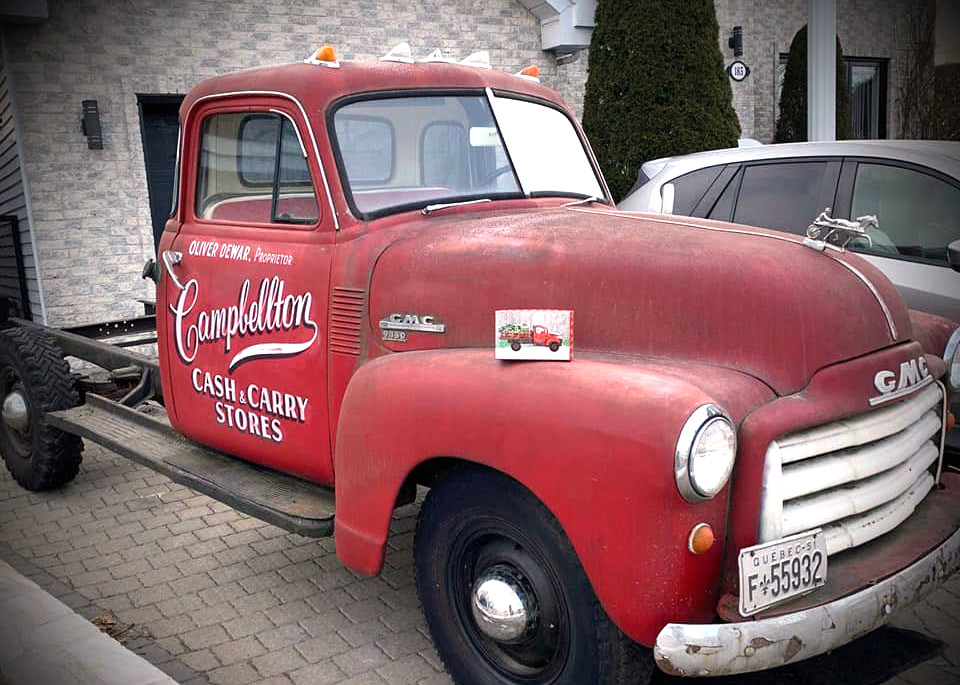
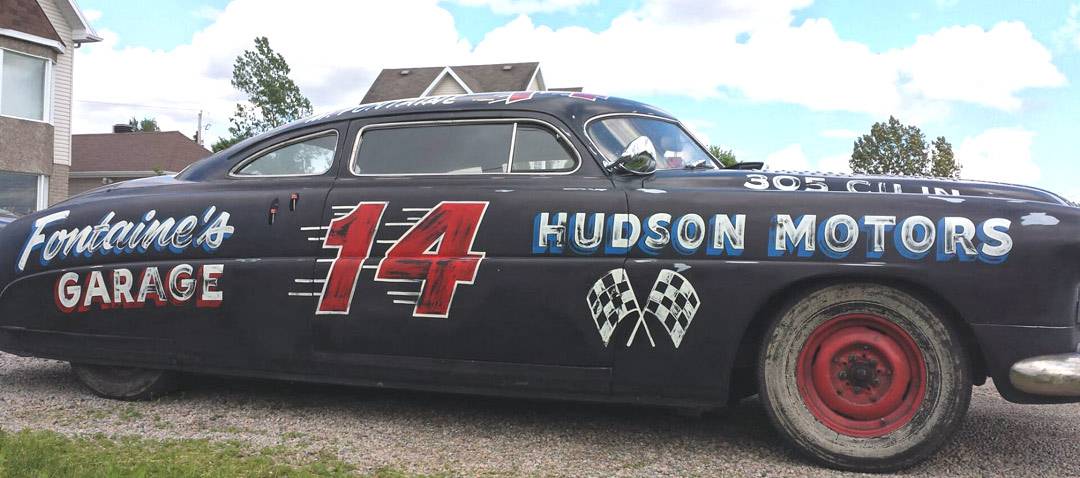
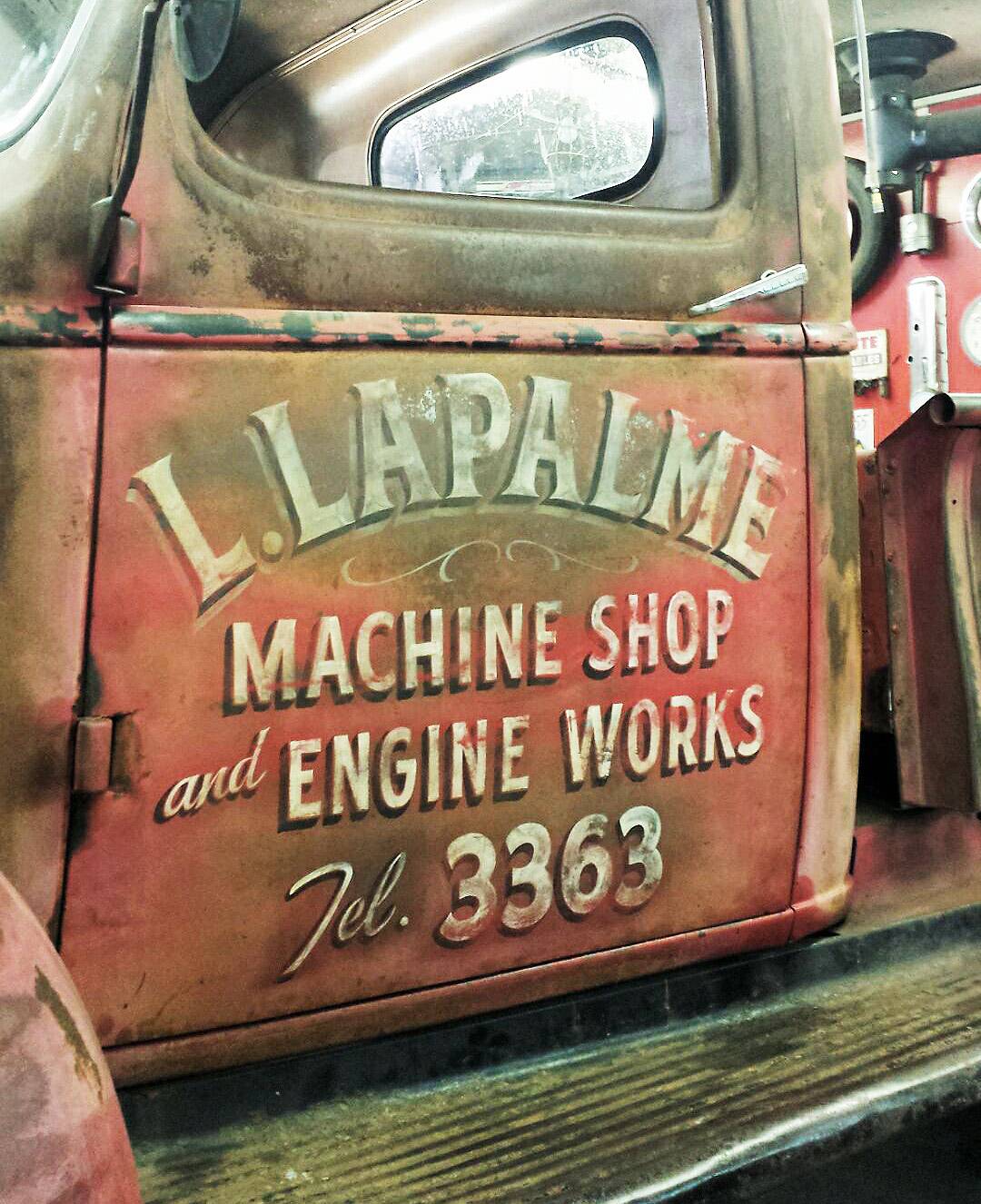
Pierre Tardif, Grondines, Quebec, Canada, does hand lettering exclusively. He is often called on to recreate vintage-style lettering of both of these types of vehicles. In both cases, the lettering must fit the era of the vehicle and also be aged to match the condition of the vehicle.
“Some of the trucks have the original patina,” Pierre says. “The paint is old and weathered, and there is natural rust showing in places. On others, the patina of the finish is faked using modern materials then usually clear coated. These factors affect how I will age the lettering.”
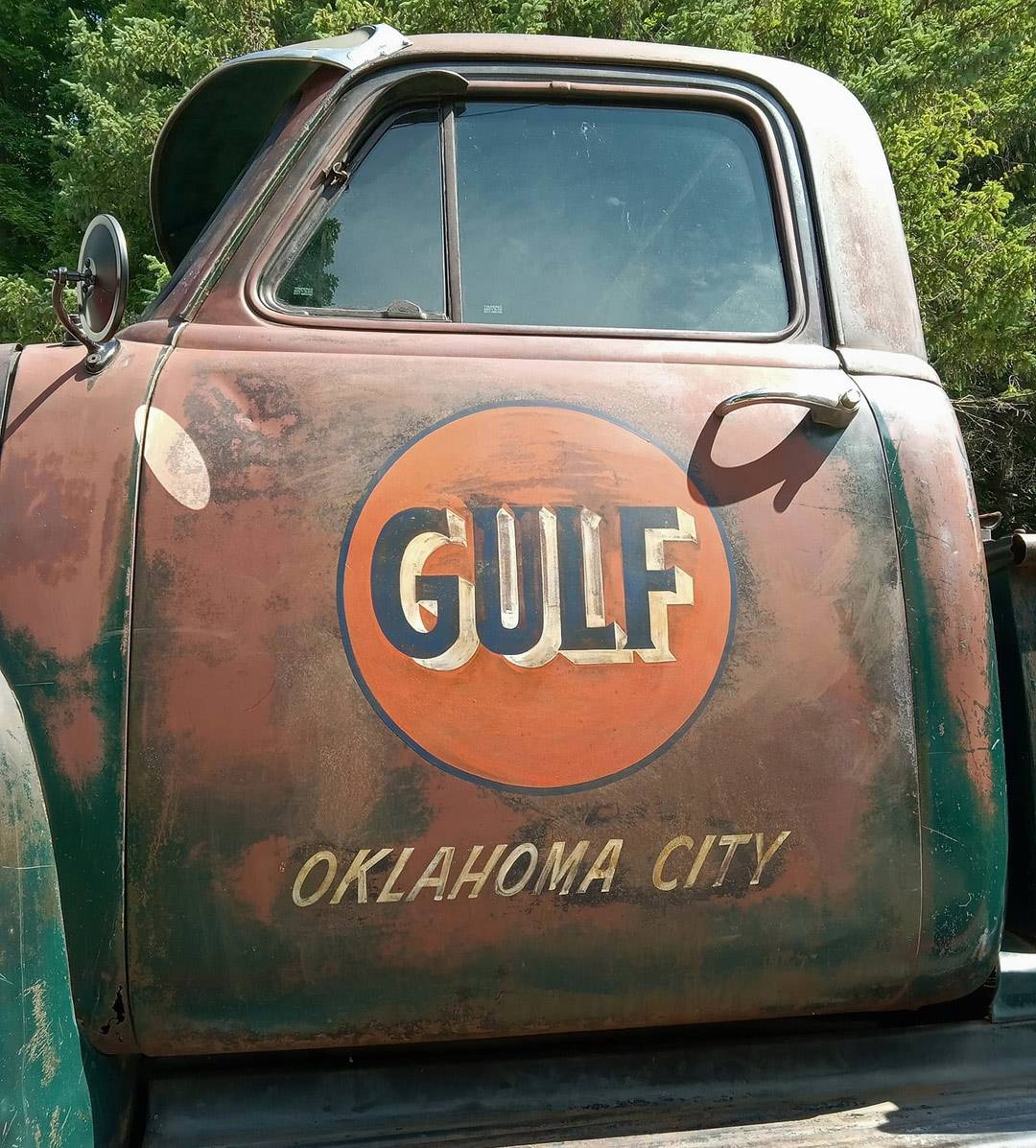
On a truck with the original patina, Pierre thins his lettering enamel with varnish, by 30% to 50%. That lets his brush strokes show the way lettering does when it has been out in the weather for years. He lets the lettering dry for a day, then rubs it with a gray Scotch Brite sanding pad. He goes slow and uses plenty of water to keep the darker colors from staining the light ones. This can give a very authentic look—worn and dull.
Sometimes the old finish of the truck is thin, and surface rust has formed. In this case he makes a mixture of peroxide, salt, vinegar and water. When you spray that on the lettering, he says the rust on the surface comes right through the paint. “I have done a few trucks that you would swear were lettered 70 years ago,” he says.
If it is a fake patina, he can’t scuff the finish because it is new paint and probably has a clear coat. Instead, he mixes his paint using 70% varnish and 30% lettering enamel. When the lettering is complete, you can see plenty of brush strokes and through the paint in many places. When it is just about dry, he takes a rag that is just slightly dampened with thinner and gently wipes the lettering to soften the look and even rub through in a few places.
It’s still all about the layout
“The aging of the lettering looks cool,” Pierre says, “but the authentic look is all in the layout. That’s what makes it look real. If you do the layout on the computer then paint it and age it perfectly, it won’t represent the era at all. It will look fake. That’s why I depend on old books and photos for my layout ideas on these jobs. I never rely on the computer for lettering or layouts.
“I believe legibility was a lot more important in the days of sign painting. The letter styles were clean and simple to make the words easy to read. The color of the lettering almost always was in a strong contrast to the color of the vehicle. That is first in my mind as I do one of these trucks.
“I did a semi-truck a while back from the 1970s, which had the wide stripes that were typical at that time. Today, most people print the lettering and place it over the stripes, with no regard for them. But when you look at photos of big trucks from that era, you see that the lettering was usually placed within the stripes. They wouldn’t have the lettering overlapping the stripes, going over the color of the stripe and the color of the truck, because that would make it hard to read.
“Effects were really limited back then, too. A shadow slightly darker than the background was common, and maybe the occasional outline. Effects can compromise the legibility of the lettering, and they didn’t want to do that.”
Soak up examples from the past
Pierre believes that if you want to do lettering and layouts that look and feel authentic, you have to study examples of hand-lettered vehicles from the past. If you want to be successful with aging your lettering, you need to look closely at the genuine worn-out, faded lettering on old vehicles.
And it pays to be obsessed with layouts and lettering from the time when virtually all signs and lettering were done by hand.
“As a kid in the seventies,” he says, “I was always looking at the painted signs and vehicles that were all around me. I was especially enchanted by the lettering on the race cars and stock cars back then. We lived on a street that went to the racetrack, so when the cars left the track they passed right by our home. All summer long I would ask my parents if I could stay up late to sit on the front porch steps to see them all go by as they left the track.”