By signcraft
Posted on Monday, June 22nd, 2026

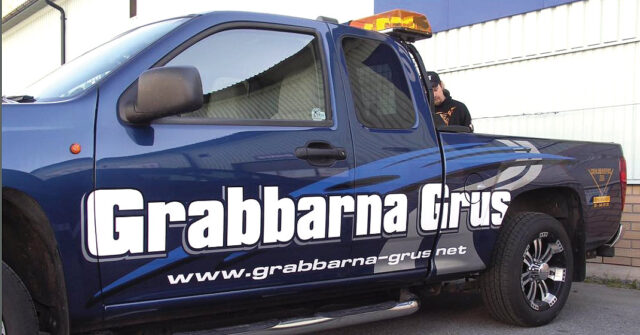
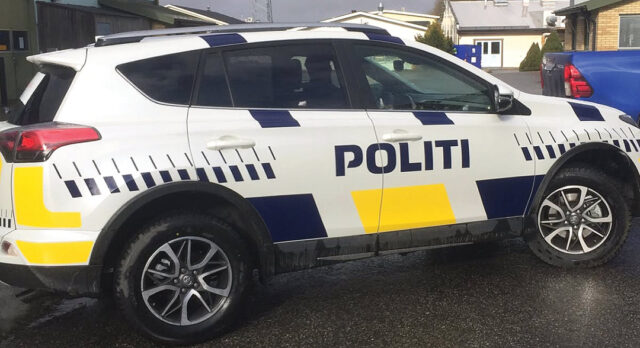
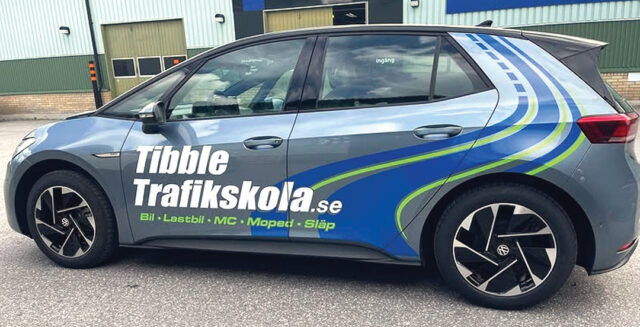
Need some vinyl truck lettering? No problem. A sign for your storefront on aluminum composite material? No problem. A 10-foot-tall scale replica of an IBM electric typewriter ball? No problem.
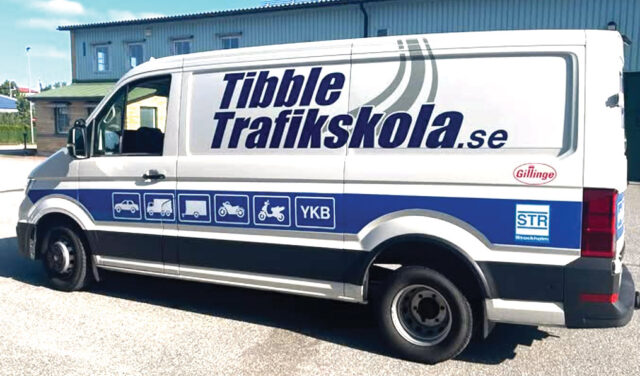
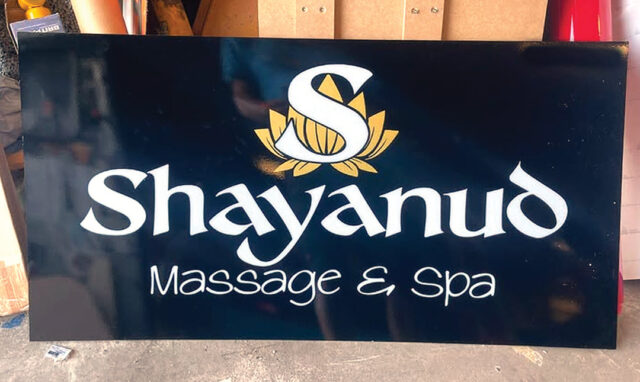
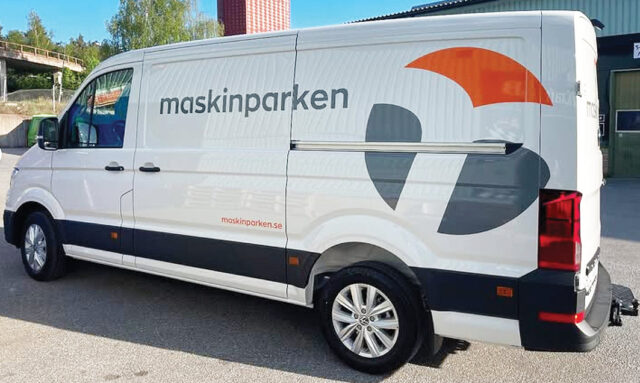
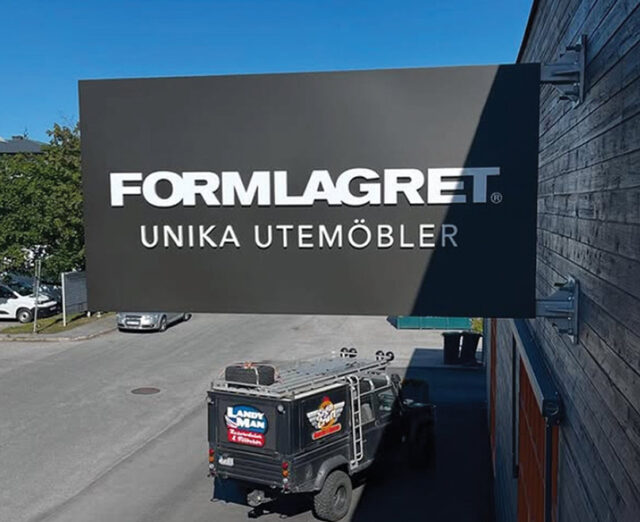
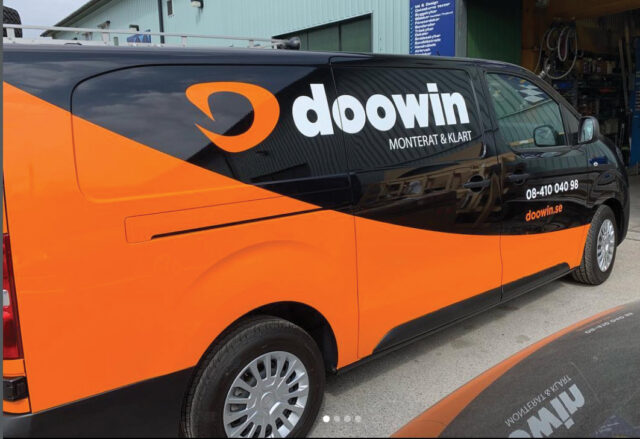
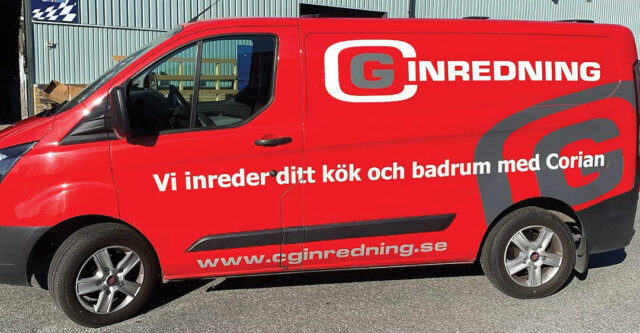
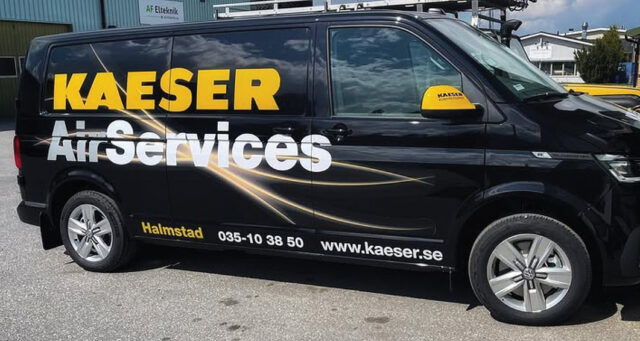
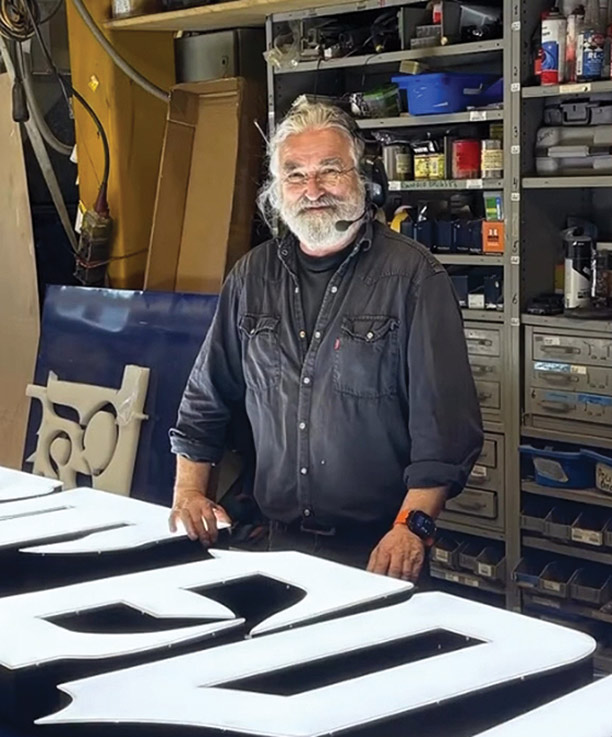 Henry Barker has been making custom signs—and other interesting graphic projects that come his way—for 40 years. His shop, SignCraft AB in Taby, Sweden, just outside of Stockholm, has a reputation for being able to handle unusual channel letters and 3-D projects.
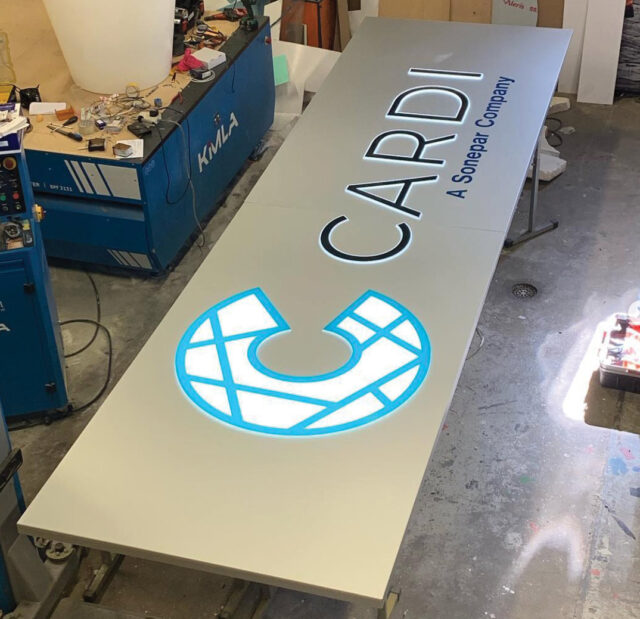
“I do signs and vehicle lettering,” he says, “and also a lot of channel letter fabrication. I like the custom projects—work that is a little more challenging that other shops may not want to handle, like unusual channel letters, 3D signs and sculpture. I do a lot of unique things for people and I enjoy that.”
Born and raised in Tavistock, England, Henry started out touring in Europe with major rock bands, driving trucks and setting up for the shows. He came to Sweden with Bruce Springsteen’s tour in 1985 and met his first wife, who did the catering for the tour. Back in England after the tour, he took the company van to a sign shop to be lettered.
In talking to the sign maker, Henry mentioned that he had considered becoming a signwriter but gave it up because he couldn’t find a training course nearby. The sign maker showed him his Gerber Sprint vinyl cutter and said that this was how he made most of his lettering now. He sometimes added a shade or a script with a brush and paint.
“I wanted to quit touring with bands because I had a family,” Henry says. “He encouraged me to start making signs. I did another tour and had some extra money when I got back. I bought a secondhand Gerber Sprint. It only had two or three fonts, so I bought a PC and a link that let me send files to the cutter.
“When I bought a new PC-based system in 1992, the technician who came to set it up told me that the 350MB drive would be all the storage I would ever need. If he only knew. It’s weird how everything changed.”
He ran his business from his garage for a while then got a shop. With touring with bands behind him, he was in the sign business full time. In 1999, he remarried.
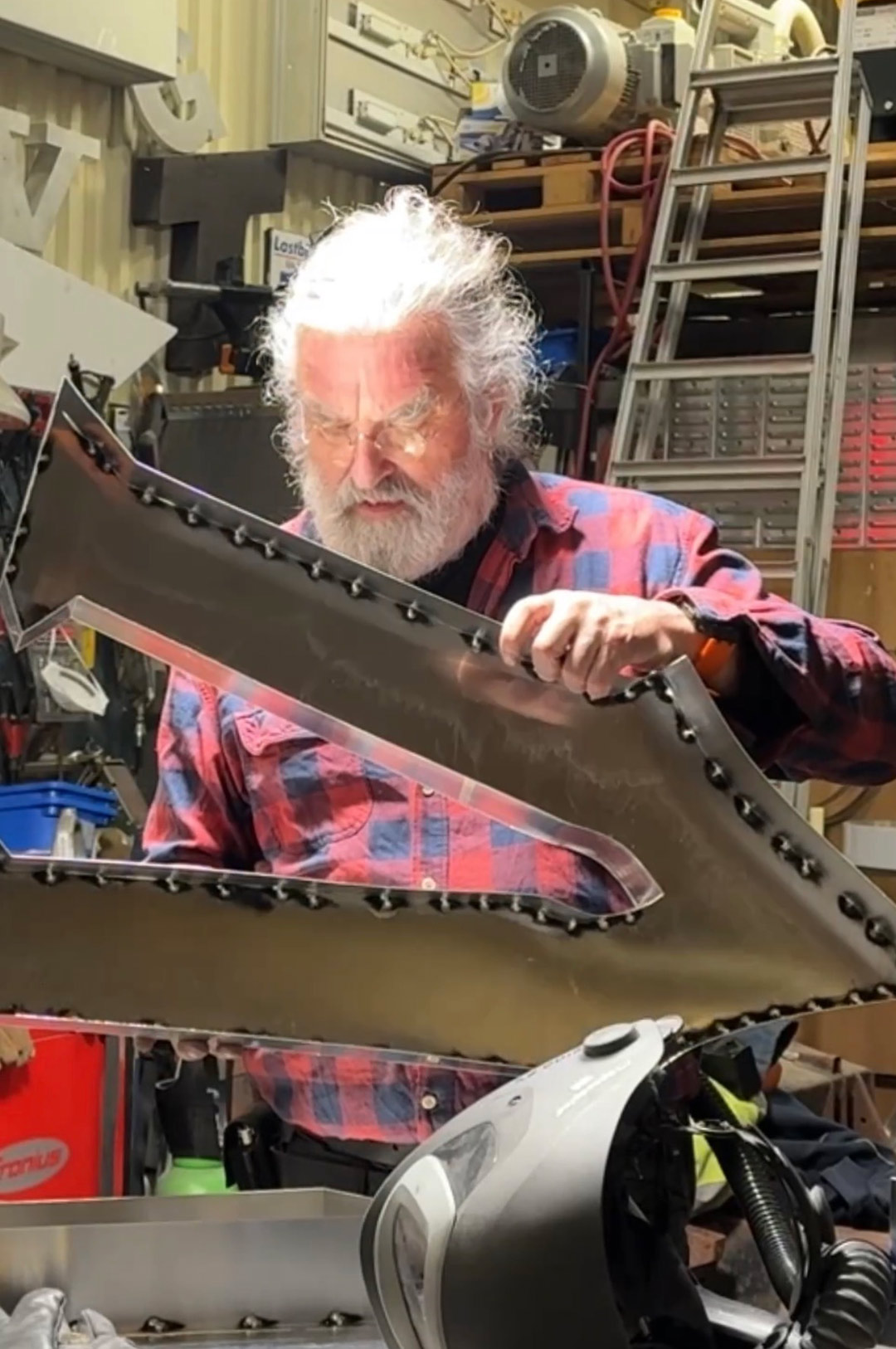 As technology advanced, Henry kept upgrading—adding and replacing monitors, digitizing tablets, scanners and later digital printers. Today he has a Roland Soljet printer and a CNC router, which has become a big part of his fabrication process.
“In 2003,” he says, “I got my first CNC router, made by AXYS. Then about ten years ago I bought a 6×10 four-axis Kimla CNC router, which is made in Poland. They build all sorts of CNC equipment, and it is an amazing machine.”
Henry does a lot of 3D sculptures—props for TV shows and public art pieces. In Sweden, communities generally put aside 1% of new building costs for art projects, so there is a lot of large outdoor sculpture. Henry often takes an artist’s concept and makes it a reality.
In years past, such work was done by hand, but today the CNC router is usually involved in the project. The work is often quite complicated to do on a CNC machine, and Henry enjoys figuring out how to make the machine do it. It takes skill and he likes that challenge.
“A female artist once asked,” he says, “if I could make a large scale replica of the typewriter ball of an IBM Selectric typewriter, 2.5 meters [about 8 feet] in diameter. I ordered three pallets of HDU board from Italy for the job.
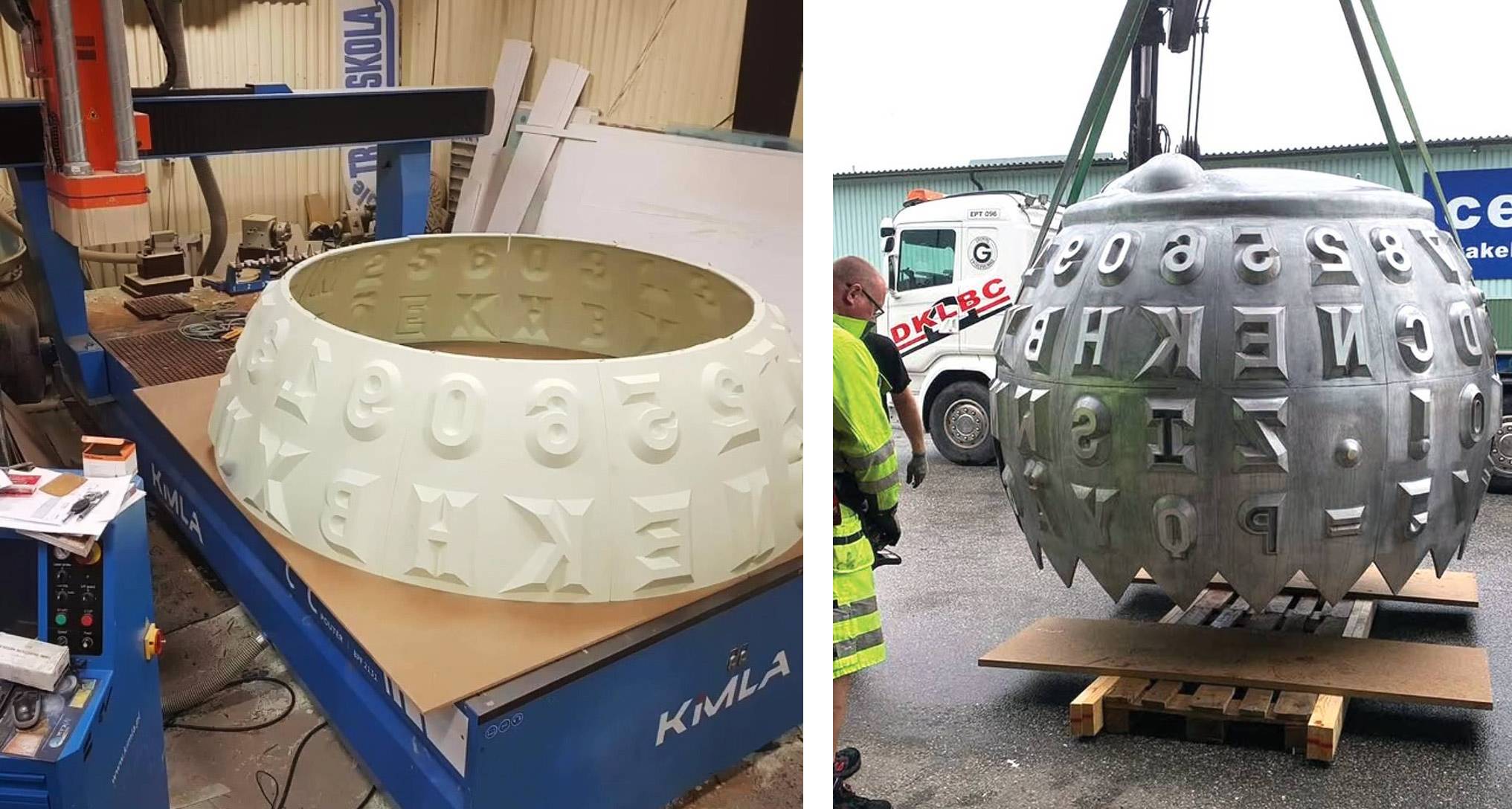
“It took 200 hours of cutting time to create the HDU forms that were used to cast the final piece. I added LEDs to illuminate 16 of the letters. It sits in front of a school. I like those sorts of challenges.”
After years of having employees, he’s worked alone since 2011. He doesn’t like the administrative work, preferring to “make cool things” instead.
Rather than outsource, he does as much as possible in-house. Referrals and word-of-mouth brings most of his new customers.
“Ironically,” he says, “I think it is more difficult to get your business seen today, since you have to rely on online exposure. Years ago, a quarter-page ad in the Yellow Pages brought in all my work. Later on, Instagram was good for exposure for years but they’ve changed the algorithm. The reach isn’t as good as it used to be.
“But just when I think I’ve run out of work, someone calls with a nice big project that keeps me busy for a while. I never get bored and I always seem to have work to do.”
Henry shares his 2200-sq.-ft. shop with a second business of his. For the past 25 years he has sold parts for vintage Land Rovers. The business has grown to make up about half of his total sales.
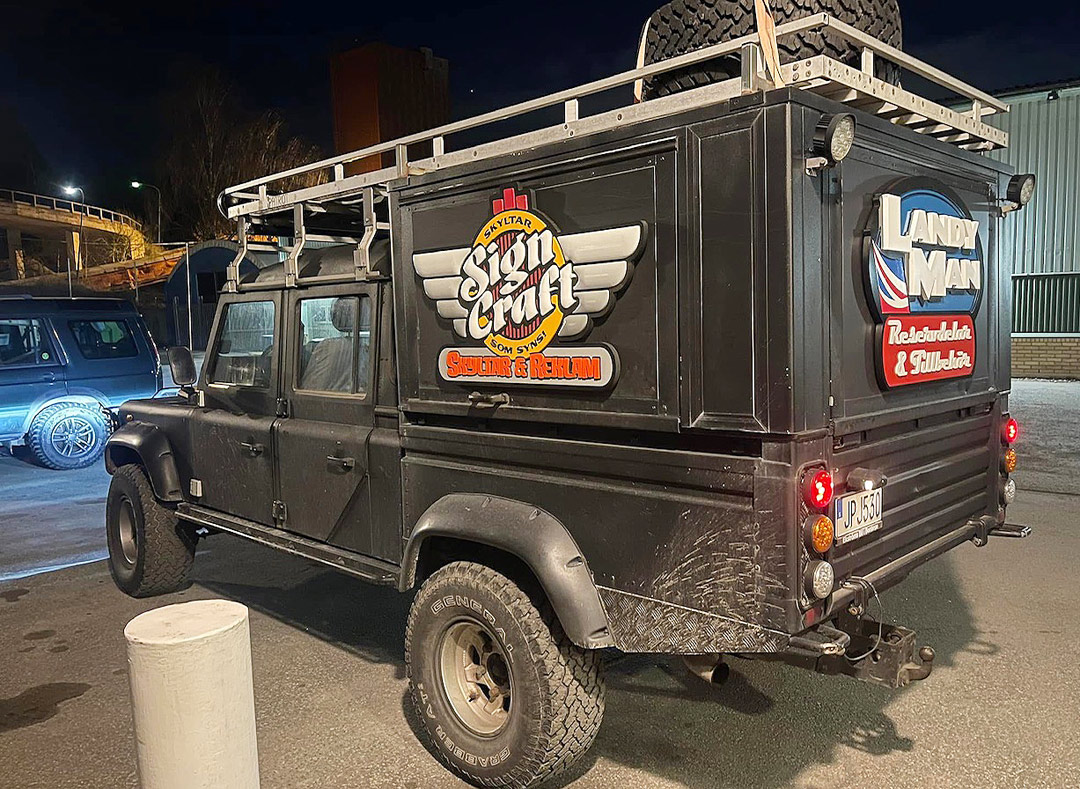
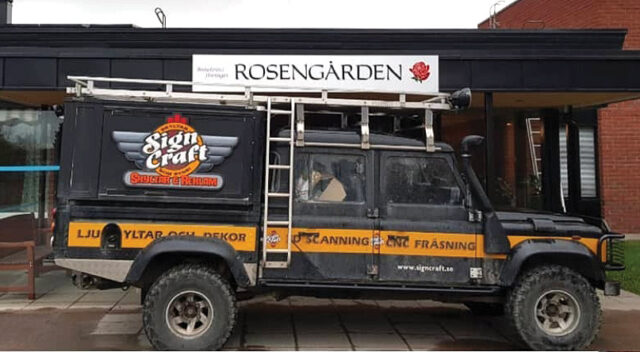
“I have 10 old Land Rovers of my own,” he says, “including my shop truck, a 1999 Defender that I bought almost 20 years ago. I have a 1955 Land Rover in that shop that I am restoring as time permits. It’s a nice diversion from all the sign work. When done, it will look like a rough old truck, but it will have modern running gear and suspension.”
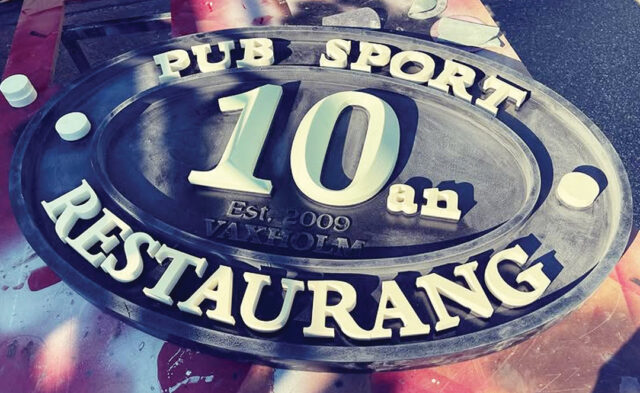
Henry finds he doesn’t do much digital printing these days since there is more demand for the complex custom work. Twenty years ago he did a lot of sandblasted signs, but now uses bitmaps to create background texture on 3D carved signs.
“I don’t think it matters what medium you are working in,” he says, “as long as the design is interesting and effective. A nice layout and making something that is really appealing is where it’s at. Whether it’s a sign or sculpture, that’s what makes people want to look at something—much more than how it was made.
“I’m 67, so people ask if I’m going to retire soon. But I ask in return, ‘Why would I retire? I have all this interesting work to do and I’m fit and healthy. It’s what I like to do, and I plan to keep at it.’
“I enjoy coming to work every day. I’m not one to sit around. I’m always looking forward to the next interesting project—and they keep showing up.”
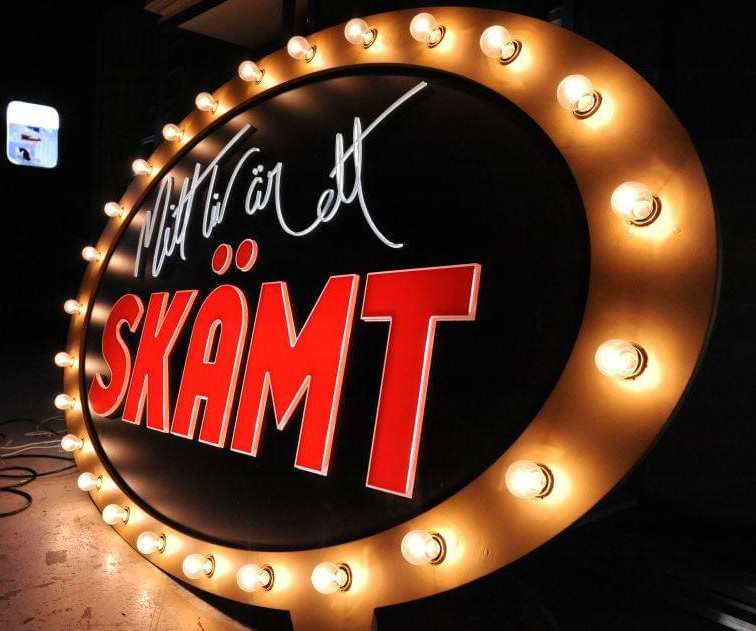
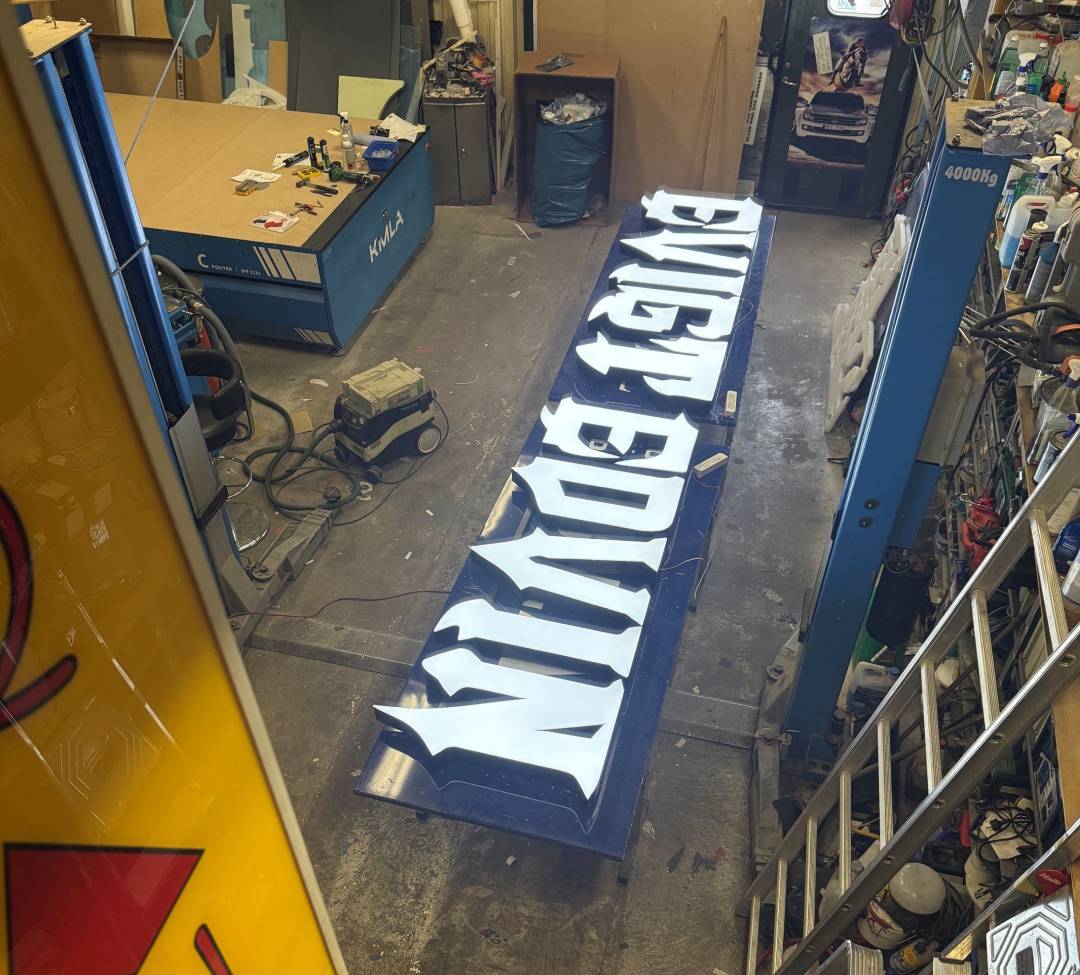
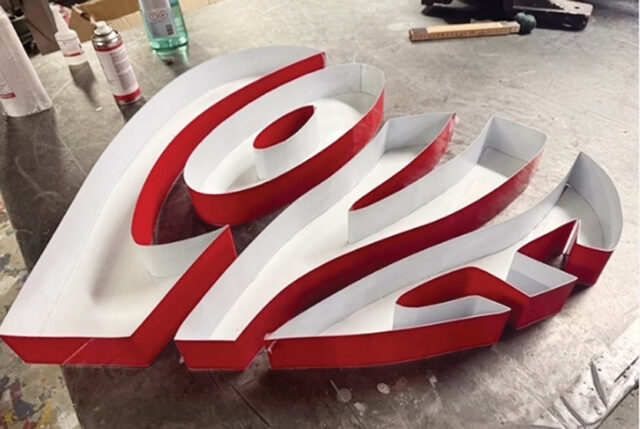
Henry did this set of custom channel letters as a prop for the tour of a well-known comedian.
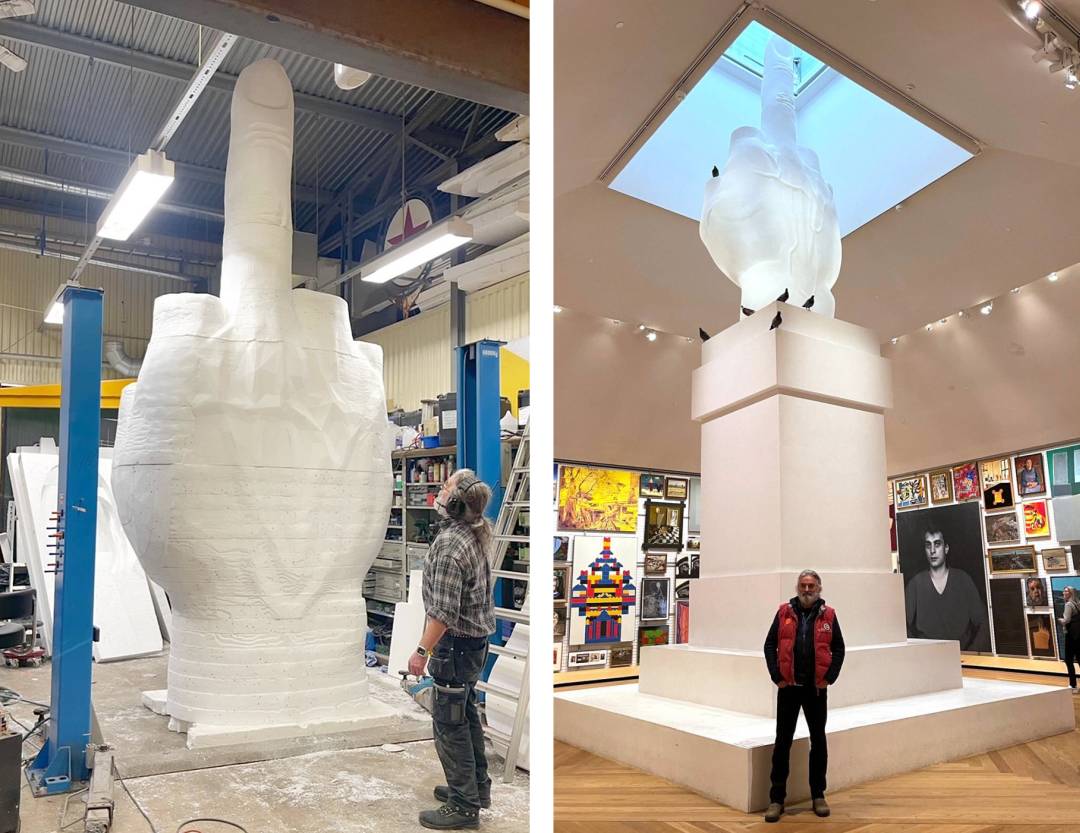
“A sculptor once asked if I could make a scale replica of the anti-Fascist hand,” says Henry, “which is a famous marble statue that Maurizio Cattelan did in Italy. The original stands 12 meters [36 feet] tall, and I made one that is 4 meters [13 feet] tall for the Swedish Museum of Modern Art. It looks like the hand is giving the finger, but if you look closely, the other four fingers are cut off, signifying the destruction of the fascist salute from World War II times.”
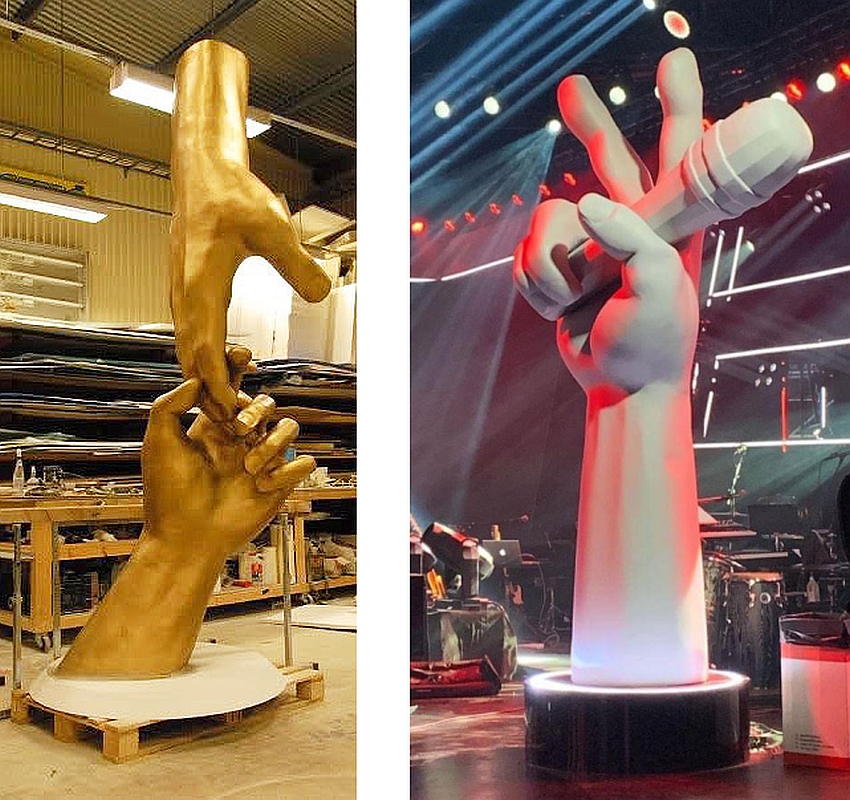
“I’ve helped another famous artist, making two giant hands as props for a TV show. They’re 3 meters [10 feet] tall.”
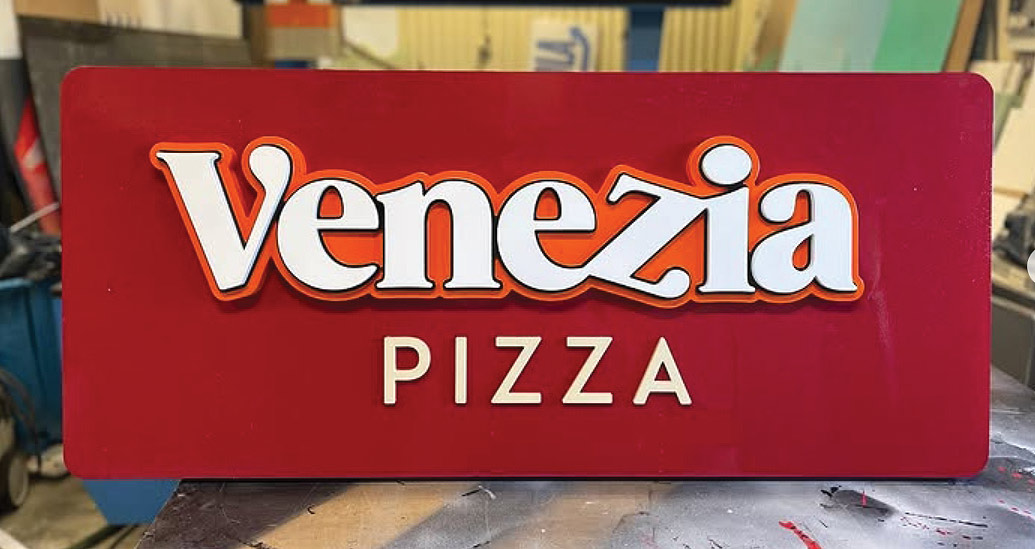
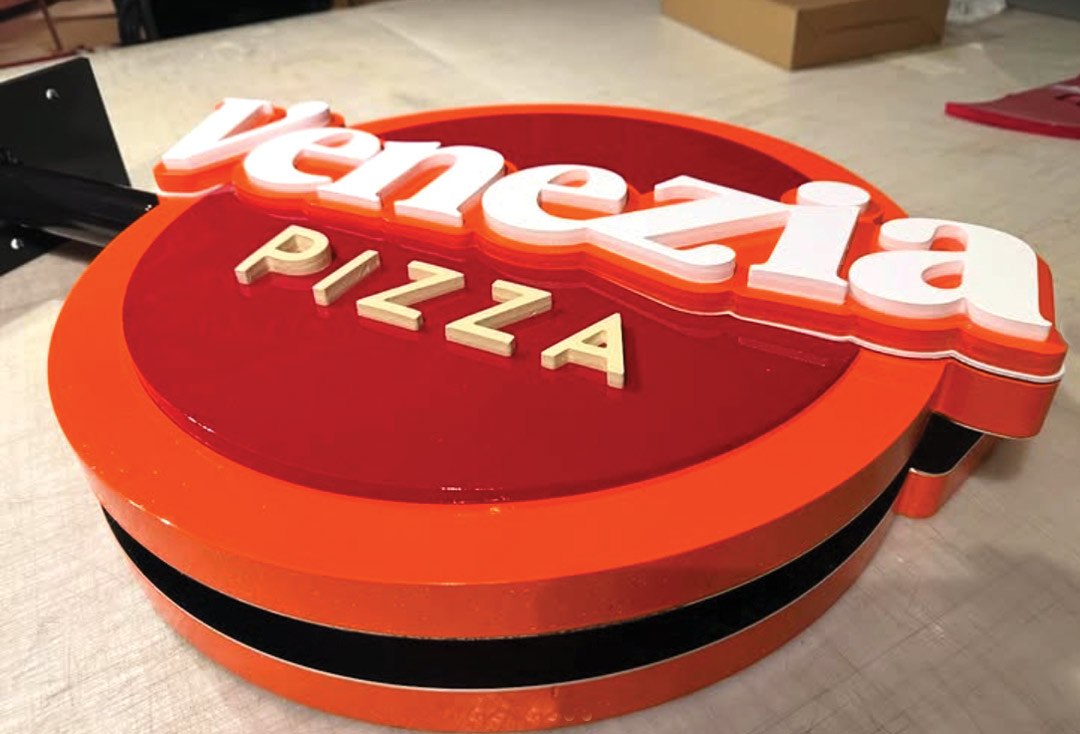
“I first made the Venetian Pizza sign from 2-in. HDU board. Then I got to thinking that I could put LED lighting into the letters by cutting small pockets in the layers. I used 10mm acrylic for one of the layers and put the LEDs behind that. It gives a nice corona effect around the letters at night.”