
By signcraft
Posted on Friday, February 20th, 2026

Many signs, with the exception of printed graphics or substrates, get a painted finish on all or part of the sign. Knowing which finish to use and how to properly apply it makes the difference between a great-looking, durable sign and a dissatisfied customer. Customers rarely call to thank you for how long their sign has held up, but they don’t hesitate to tell you (and others!) about a finish that fails too soon. Quality materials make sure that doesn’t happen.
Source list: Sign paints and finishes
Alphanamel Sign Enamel: Lettering enamel
Grip-Gard: Base coat/clear coat paint system and single-stage finishes
Coastal Enterprises: Primers, hard coat and texture finishes for HDU board
Design Brilliance: Axalta Hot Hues urethane paints
House of Kolor: Urethane paints for pinstriping, plus specialty finishes and clears
Matthews Paint: Base/clear coat paint system and single component sign finishes
Modern Masters: Specialty and patina finishes
Nova Color Paints: Artists’ acrylic paints for graphics and murals
One Shot Paints: Lettering and bulletin enamels, background finishes, specialty finishes
Sign Arts Products Corp.: Primer for HDU board
Sculpt Nouveau: Textured and specialty finishes
T.J. Ronan Paint Corp: Lettering and bulletin enamels, waterborne finishes, background finishes, specialty finishes
The fact that you use proven, professional finishes on your signs is a strong selling point. These are special products, different from what the client would use on their own painting project. Increased durability, color matching and unique effects are all value-added items that can be included in your sales efforts.
Let’s take a quick look at some of the paint options that you’re likely to see used by sign shops.
Paint systems: Many sign companies are using paint systems for finishing their signs. These systems use a durable polyurethane topcoat in matte, satin or gloss sheen that is sprayed on. You can mix almost any color easily, and the paint bonds well to a variety of common sign and graphic substrates.
Sign enamels: Lettering enamel has been a staple of the sign industry for years. It’s designed to work well in a brush, flow out nicely, dry fast and hold up outdoors. The colors are more brilliant than most other enamels.
Bulletin enamels: Bulletin enamel was originally designed for roadside bulletin painting. They’re similar to lettering enamels but tend to have a little less pigment. Again, the colors are more brilliant, similar to artists’ colors.
Waterborne sign finishes: These are in an acrylic base, so they clean up with water and have a lower odor than oil-based finishes. They dry faster than oil-based products, and that is a consideration when hand lettering with them. They hold up well outdoors and again come in more brilliant colors.
Pinstriping paint: Along with traditional lettering enamels, urethane striping paints are also used for pinstriping.
Primers: The right primer is usually the first step to a professional finish. You can choose from primers developed for sign work on almost any substrate, including specialty primers for use on high density urethane board.
Acrylic exterior paints: High-quality acrylic house paints and stains have long been used on signage. The colors are often less brilliant than other sign finishes, though.
Special-effect finishes: Want the look of rusted steel, aged copper or cracked aging paint? Need fluorescent or metallic paint, or the texture of wrought iron? There are products that deliver all of these unique, dramatic special effects that work great on signage.
This appeared in the July/August 2014 issue of SignCraft.
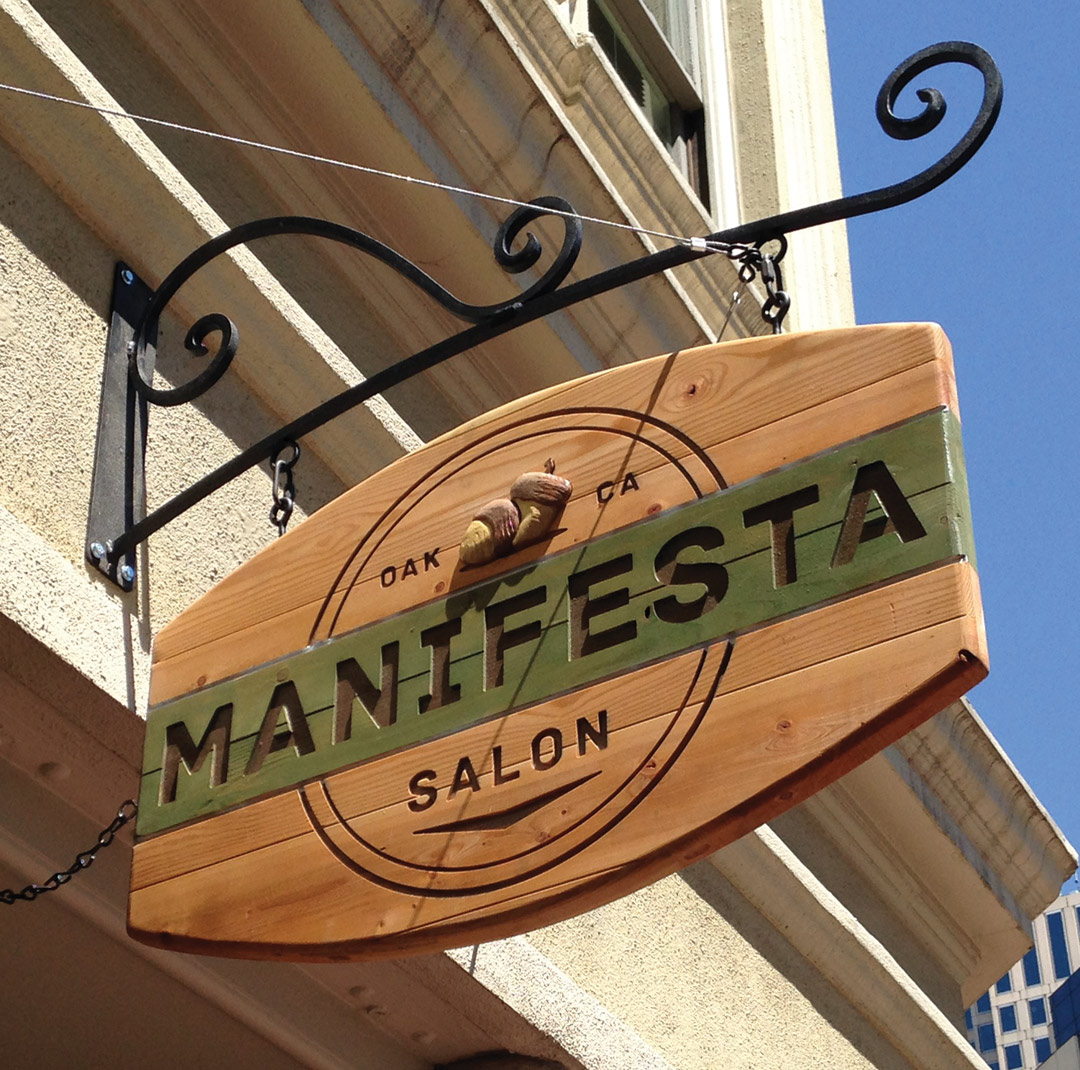
Router-carved Douglas Fir stained with SignLife stains, acorns are hand-carved PVC board finished with Ronan AquaCote paint. Scooter Marriner, Coyote Signs, Oakland, California
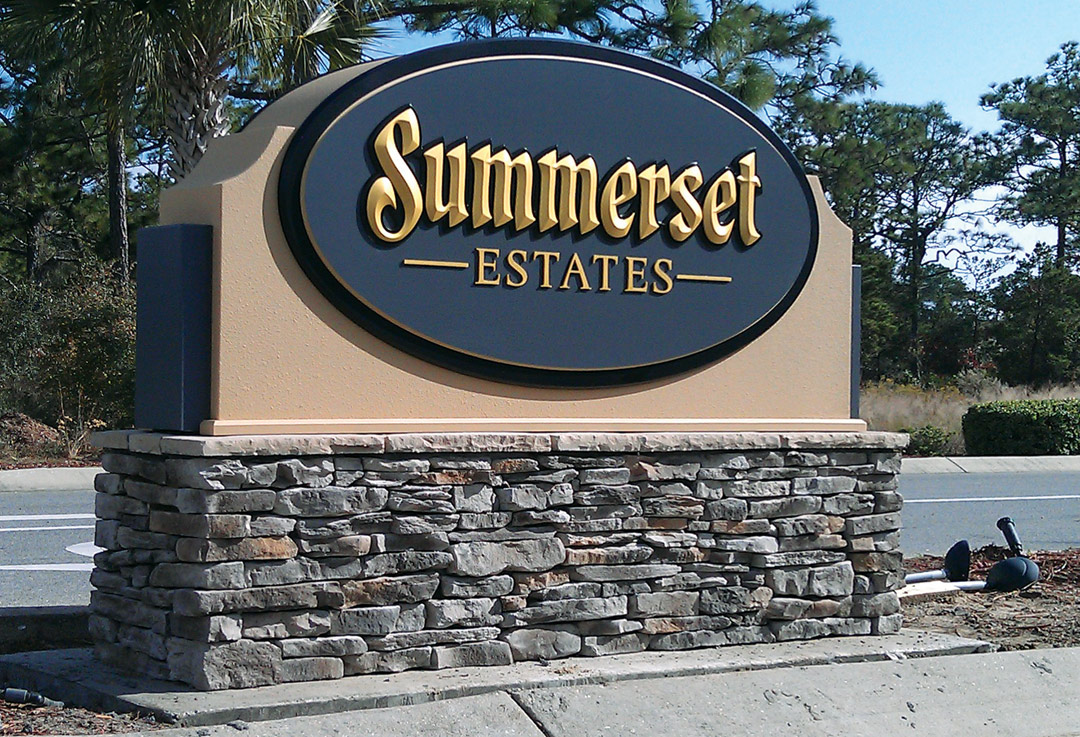
Carved PVC letters are finished with Modern Masters gold paint. Brix Design, Pensacola, Florida
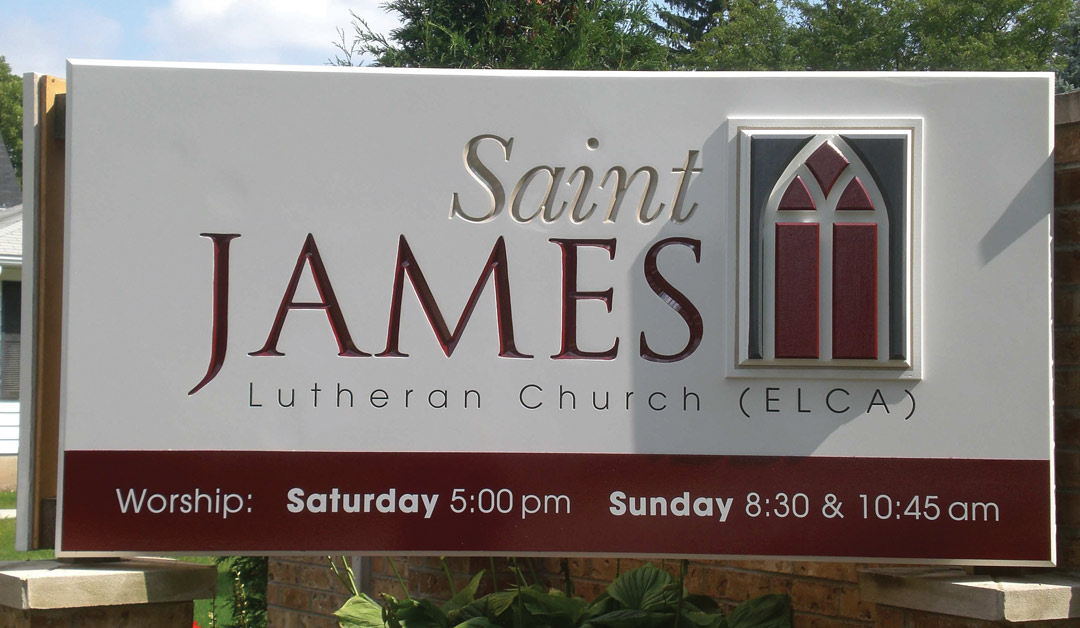
CNC-carved HDU sign finished with OneShot enamels and acrylic latex paints. Vital Signs Inc., Verona, Wisconsin
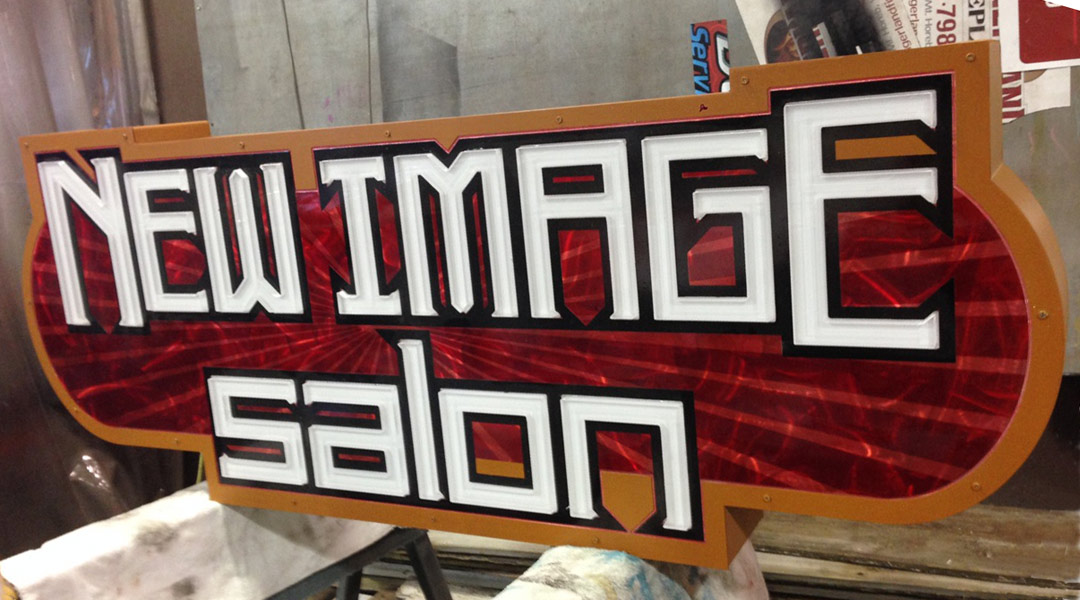
House of Kolor Kandy Koncentrate red over distressed aluminum background; Matthews polyurethane paint on the cabinet. Vital Signs Inc., Verona, Wisconsin
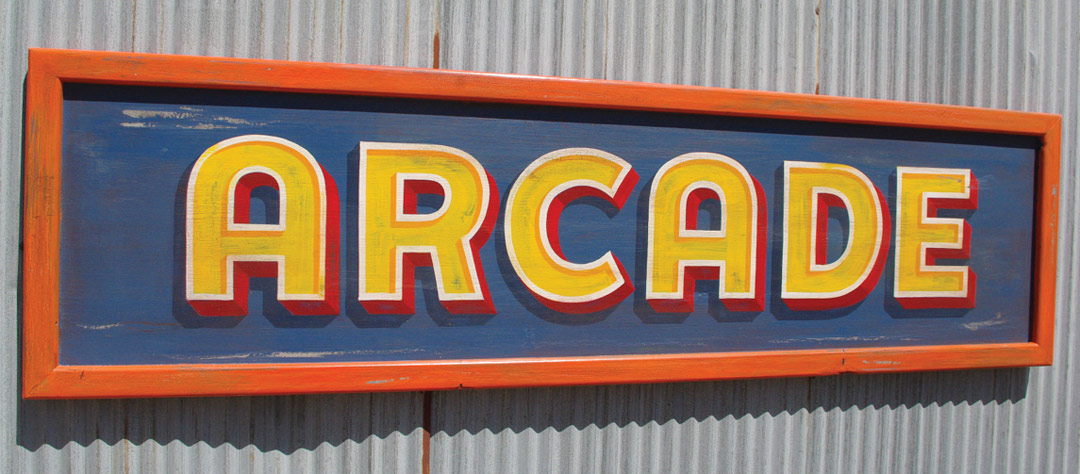
Nova Color Artists’ Acrylics and Sherwin-Williams acrylic latex paint. Brushwork Signs, Faribault, Minnesota
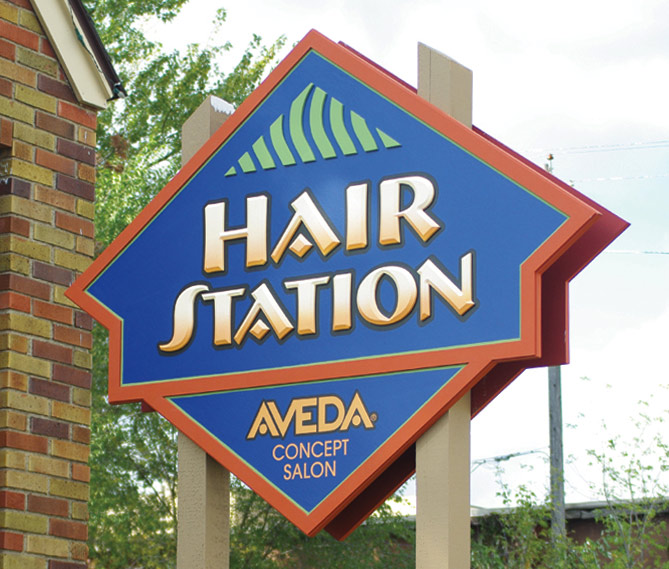
Finished with Sherwin-Williams acrylic latex paints. Brushwork Signs, Faribault, Minnesota
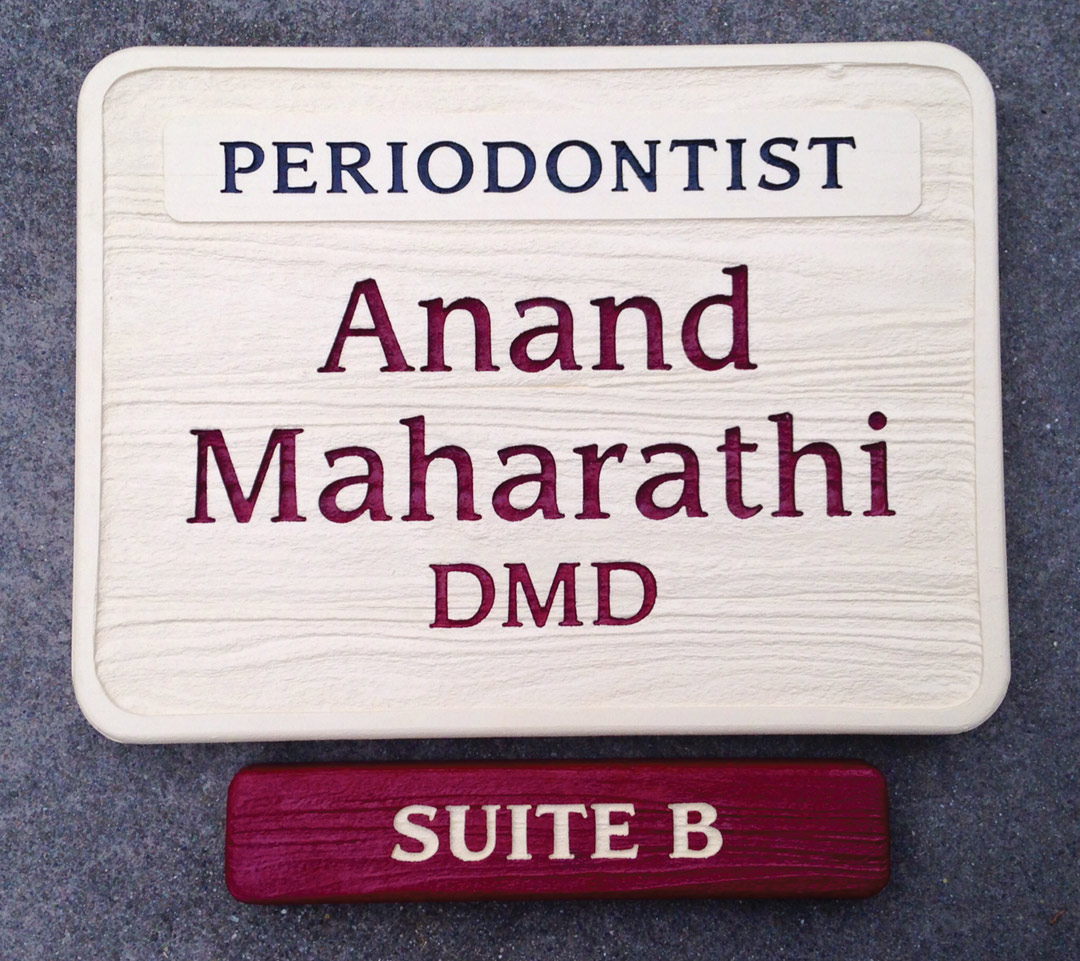
Router-cut letters on sandblasted poplar panel and finished with Ronan AquaCote enamels. Scooter Marriner, Coyote Signs, Oakland, California
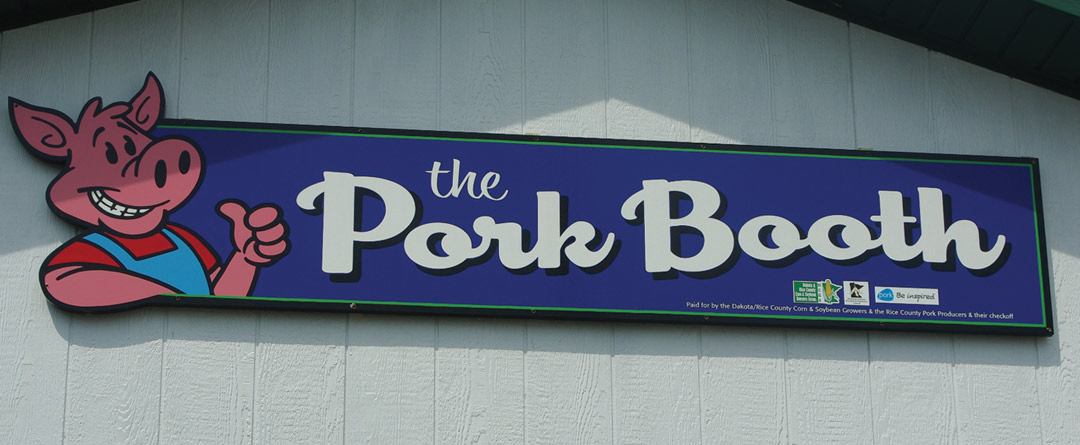
Finished with Ronan lettering enamels. Brushwork Signs, Faribault, Minnesota
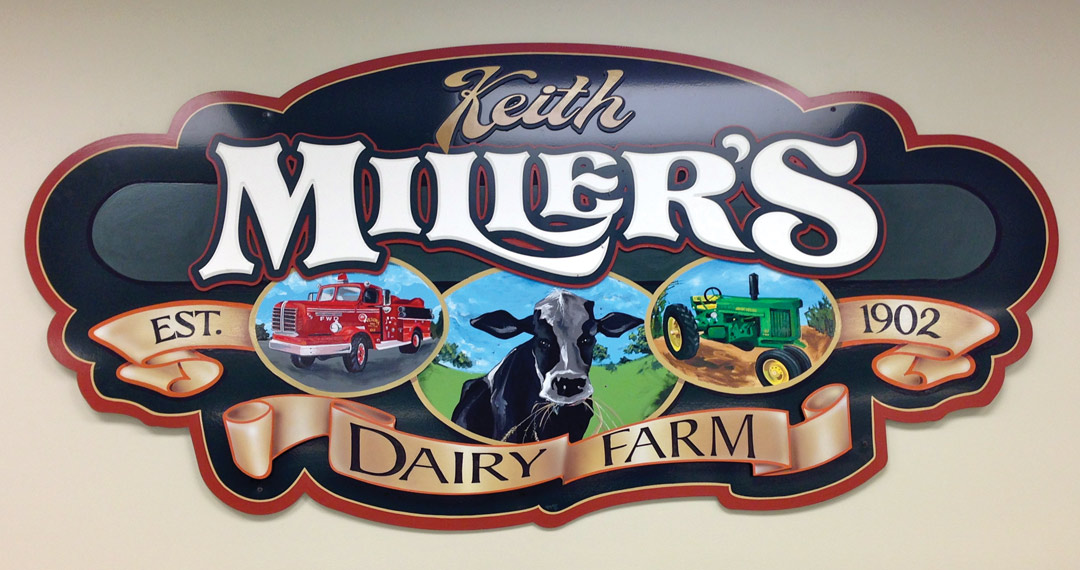
Finished with OneShot lettering enamels. Vital Signs Inc., Verona, Wisconsin
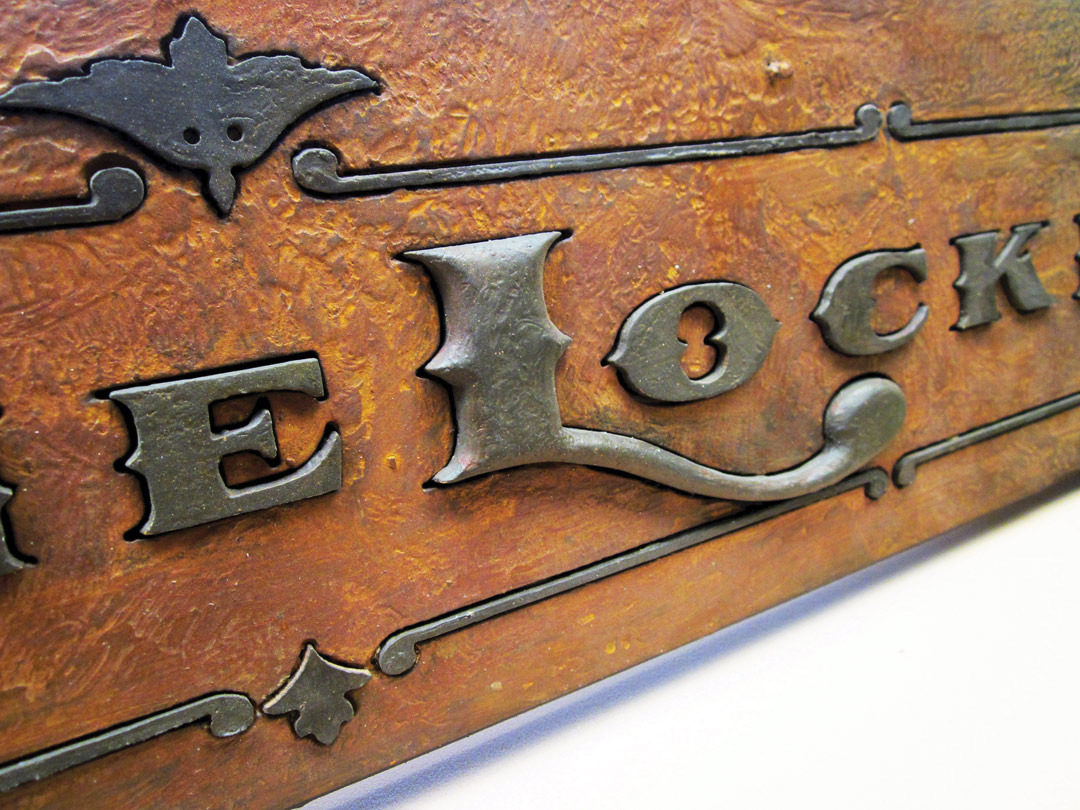
Background and letters textured with Sculpt Nouveau; background was oxidized using their acid wash. Joe Crumley, Norman Sign Co., Norman, Oklahoma. “Sculpt Nouveau doesn’t have to be oxidized,” says Joe. “I sometimes use the acid to get the patina on a copper finish, then come back and dab on more of the copper but don’t use the acid wash. It makes a nice effect.”
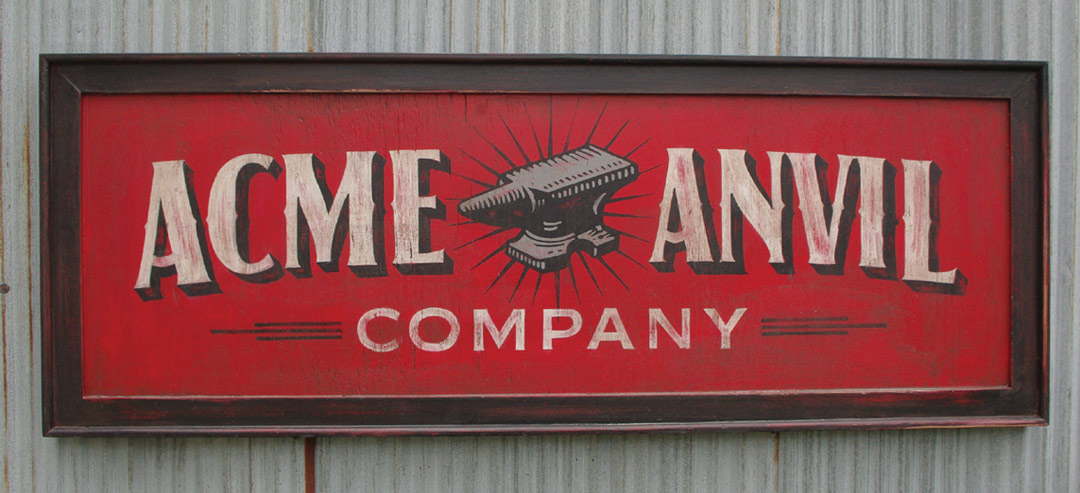
Nova Color Artists’ Acrylics and Sherwin-Williams acrylic latex paint. Brushwork Signs, Faribault, Minnesota


